Transform Your Home: The Rise of AI-Powered Smart Living

Introduction
Imagine this: You wake up not to a blaring alarm, but to your blinds gently opening to the morning sun, the aroma of freshly brewed coffee wafting from the kitchen, and a soft voice briefing you on your schedule and the day’s weather. This isn’t a scene from a sci-fi movie; it’s the reality of AI-powered smart living. We’ve moved far beyond the novelty of clapping to turn on the lights. Today, home automation artificial intelligence is creating environments that are not just connected, but truly intuitive, predictive, and deeply personalized.
For years, the “smart home” was a collection of remote-controlled gadgets. You could turn things on and off from your phone, which was convenient, but not intelligent. The real transformation is happening now, driven by Artificial Intelligence. This shift is about creating a seamless smart home AI that anticipates your needs, optimizes your environment for comfort and efficiency, and simplifies the complexities of modern life.
In this guide, we’ll explore the exciting world of the AI smart home. We’ll break down how AI is elevating everything from security to energy management, showcase the intelligent home devices leading the charge, and look at the incredible future of smart homes AI. Get ready to see how automating home with AI is making our living spaces more responsive, secure, and harmonious than ever before.
Beyond Remote Control: What Makes a Smart Home Truly “Intelligent”?
The distinction between a “connected” home and an “intelligent” one is crucial. A connected home uses the internet to let you control devices remotely. An intelligent home, powered by AI, uses data, sensors, and machine learning to make decisions on its own. It’s the difference between telling your thermostat to turn up the heat and your thermostat knowing you’re on your way home on a cold day and warming the house just in time for your arrival.
This intelligence stems from two key AI concepts:
- Machine Learning (ML): This is the engine of the AI driven home automation system. ML algorithms analyze data from your habits, sensors, and even external sources (like weather forecasts) to identify patterns. Your AI powered home systems learn your preferences over time. It notices you lower the lights and turn on soft music around 9 PM every night and starts suggesting or automating this “relax mode.”
- Natural Language Processing (NLP): This is what makes your smart home voice assistant AI so effective. NLP allows devices to understand and respond to human language in a conversational way. It’s why you can say, “Hey Google, I’m feeling cold,” instead of a rigid command like, “Set thermostat to 72 degrees.”
When you combine these technologies, the AI integration smart devices create a cohesive smart home ecosystem AI that works in concert, delivering a truly personalized smart home experience.
The Core Benefits: How AI Elevates Daily Living
The practical advantages of infusing AI into our homes are profound. The AI benefits smart home technology offers are not just about convenience; they touch on security, sustainability, and overall well-being.
Unparalleled Convenience and Personalization
This is where the magic of a next-gen smart home truly becomes apparent. AI eliminates repetitive daily tasks and tailors your home’s environment specifically to you and your family.
Imagine a system that learns the routines of everyone in the house. It knows you need bright light for your morning workout but that your partner prefers a warmer, dimmer setting. It learns that on Fridays, you have a “movie night” and automatically dims the lights, lowers the blinds, and sets the TV to your preferred streaming service. This is the ultimate in smart home convenience AI.
An AI assistant for home acts as the central conductor for this orchestra of devices. Through simple voice commands or even predictive actions, it manages your environment, creating a space perfectly tuned for AI for comfortable living.

These systems go beyond simple commands. They can create complex “scenes” or “routines.” For example, a “goodbye” routine could simultaneously turn off all lights, adjust the thermostat to an energy-saving mode, arm the security system, and check that all doors are locked. Related: Apple Intelligence: All-New AI Features for iOS 18
A New Era of Home Security
Traditional home security systems are reactive; they alert you after a breach has occurred. AI home security, on the other hand, is proactive and intelligent. It aims to deter and prevent incidents before they happen.
Modern secure smart home AI systems can do things that were once unthinkable:
- Intelligent Differentiation: AI-powered cameras can tell the difference between a person, a pet, and a vehicle. This drastically reduces false alarms caused by a stray cat or leaves blowing in the wind.
- Facial and Object Recognition: More advanced systems can learn to recognize familiar faces, alerting you when an unknown person approaches. They can also identify when a package is delivered and notify you, or even spot a car loitering suspiciously in front of your house.
- Anomaly Detection: The AI establishes a baseline for normal activity at your home. It learns the sounds and movements of your daily life. If it detects an anomaly—like the sound of breaking glass in the middle of the night or a garage door left open when it shouldn’t be—it can send you a specific, high-priority alert. This is the essence of predictive home automation.
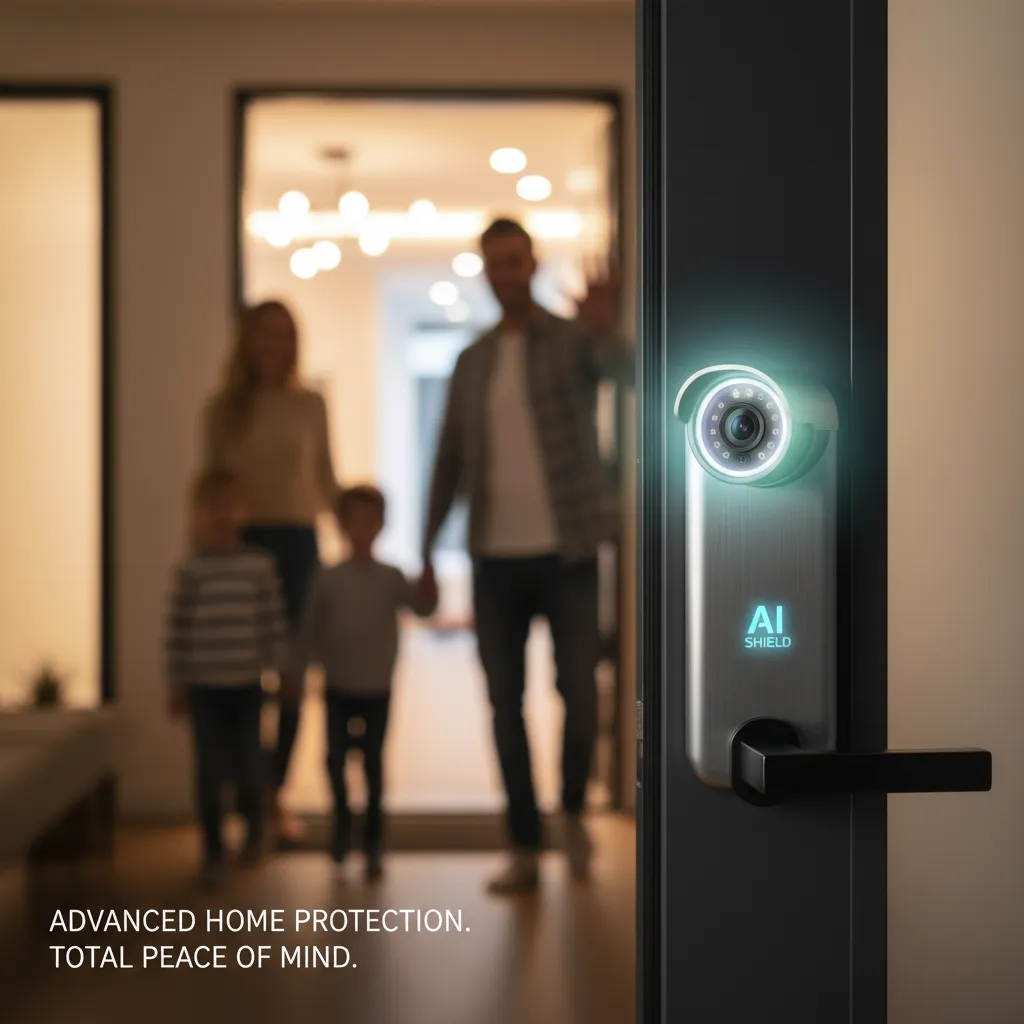
This level of detail makes your home not just monitored, but truly protected by a vigilant, intelligent system. Related: The Rise of DePIN: Decentralized Physical Infrastructure Networks Reshaping the Future
Smart Energy Management for a Greener, Cheaper Home
One of the most compelling applications of AI in the home is its ability to reduce energy consumption without sacrificing comfort. An energy efficient smart home AI is both good for the planet and your wallet.
This is achieved through intelligent smart home energy management:
- Learning Thermostats: Devices like the Google Nest Thermostat learn your schedule and temperature preferences. They automatically create an optimized schedule, lowering the temperature when you’re away and ensuring it’s comfortable when you return. They can even use motion sensors to detect if you’ve left a room and adjust the climate accordingly.
- Smart Lighting: AI can manage your home’s lighting with incredible precision. It can use natural light sensors to dim indoor lights when the sun is bright, and automatically turn off lights in unoccupied rooms.
- Energy Usage Insights: AI-powered systems can monitor the energy consumption of individual appliances. They can identify “vampire” devices that draw power even when off and suggest more efficient usage patterns, such as running the dishwasher during off-peak hours when electricity is cheaper.
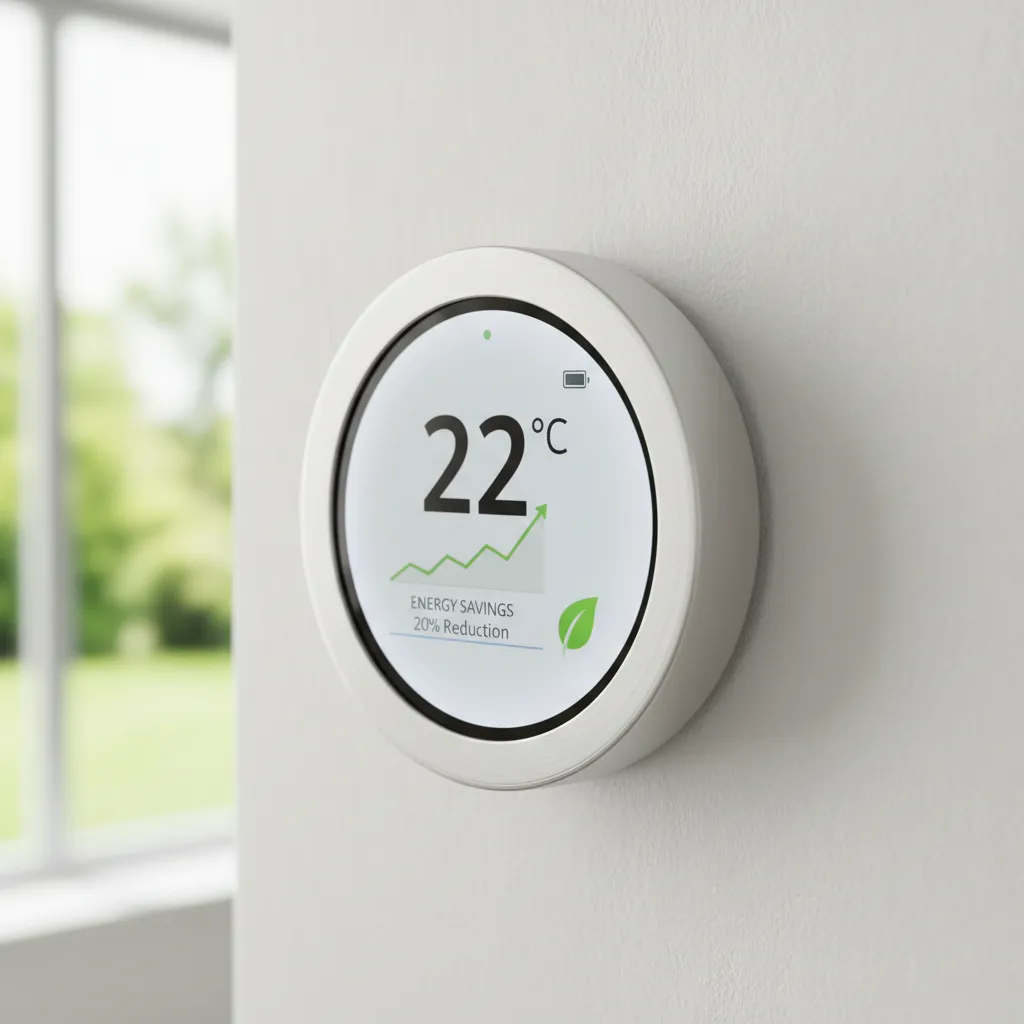
By making thousands of micro-adjustments throughout the day, these systems can significantly cut down on energy waste, leading to lower utility bills and a smaller carbon footprint. Related: AI Health Revolution: Smart Tracking & Proactive Wellness Insights
The AI-Powered Home in Action: A Tour of Intelligent Spaces
Smart living AI solutions are no longer confined to one or two gadgets. They are being integrated into every corner of the home, creating a network of connected home AI devices that work together.
The Intelligent Kitchen
The kitchen is becoming a hub of smart home innovation AI. AI is transforming how we cook, manage groceries, and maintain our appliances.
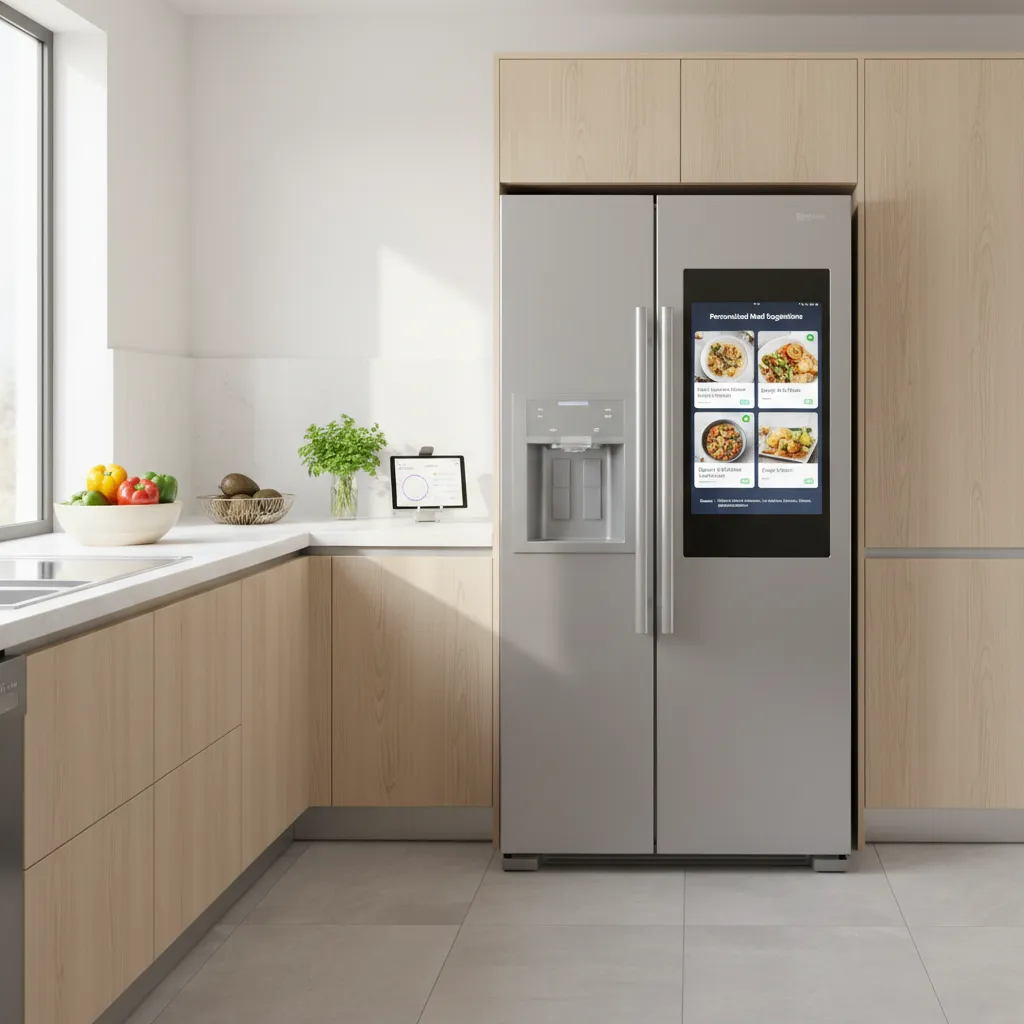
- Smart Refrigerators: Modern fridges with internal cameras and AI can identify the food you have inside. They can suggest recipes based on ingredients that are about to expire, helping to reduce food waste. They can also automatically add items to your shopping list when you’re running low.
- AI-Powered Ovens and Cooktops: Imagine an oven that recognizes the food you put inside—be it a pizza or a chicken—and automatically sets the perfect cooking temperature and time. Some smart cooktops can even guide you through a recipe step-by-step, ensuring you never overcook a meal again.
- Automated Coffee Makers: The ultimate convenience for coffee lovers, these machines can learn your schedule and have a perfectly brewed cup ready for you the moment you wake up.
The Connected Living Room & Entertainment
Your entertainment experience can be hyper-personalized with AI. It curates content, sets the mood, and simplifies control.
- Personalized Media: AI algorithms are at the heart of every streaming service, but in a smart home, this extends to your entire environment. Your AI assistant can learn your preferences and suggest movies, music, or podcasts from all your connected services.
- Dynamic Ambiance: A simple command like “start movie night” can trigger a cascade of actions. The AI dims the lights, lowers the blinds, turns on the TV and sound system, and sets the room temperature for cozy viewing.
- Universal Control: Instead of juggling multiple remotes, an AI assistant for home provides a single point of control for all your media devices, making it easy for anyone in the family to use.
The Proactive Bedroom & Wellness Hub
AI is also playing a significant role in health and wellness right from your bedroom. Related: AI-Personalized Health: The Future of Wellness
- Sleep Tracking & Optimization: Smart mattresses and sleep trackers with AI can monitor your sleep cycles, heart rate, and breathing. The system can then make micro-adjustments to the mattress firmness or room temperature to improve your sleep quality.
- Healthy Wake-Up Routines: AI can create a gentle wake-up experience. It simulates a natural sunrise by gradually increasing the light in your room and plays calming sounds or your favorite morning playlist, helping you start the day feeling refreshed instead of jarred by a loud alarm.
- Air Quality Management: AI-powered air purifiers constantly monitor indoor air quality for pollutants, allergens, and VOCs. They can proactively increase filtration before levels become unhealthy, ensuring you’re always breathing clean air.
Navigating the Challenges: Privacy, Security, and Interoperability
While the benefits are immense, the rise of the AI smart home also brings important considerations to the forefront. A home full of sensors, microphones, and cameras requires a thoughtful approach to privacy and security.
The primary concern is smart home privacy AI. These devices collect vast amounts of data about your daily life. It’s essential to:
- Choose Reputable Brands: Opt for companies with a strong track record on privacy and clear data policies.
- Manage Permissions: Regularly review the permissions you’ve granted to apps and devices. Limit access to microphones and cameras where possible.
- Secure Your Network: The foundation of a secure smart home AI is a secure Wi-Fi network. Use a strong, unique password, enable WPA3 encryption if available, and consider creating a separate network exclusively for your smart devices. Related: Edge AI Explained: Powering Smart Devices with Real-Time Intelligence
Another challenge has been interoperability—getting devices from different manufacturers to work together. Historically, this has been a major hurdle to creating a seamless smart home AI. However, the emergence of universal standards like Matter is changing the game. Matter is a unified connectivity protocol backed by major tech companies like Apple, Google, and Amazon, designed to ensure that devices work together reliably, regardless of the brand.
The Road Ahead: The Future of Smart Homes is Now
We are at the beginning of one of the most exciting smart home technology trends. The future of smart homes AI is geared towards creating an “ambient computing” experience—where technology becomes so integrated and intuitive that it fades into the background, working silently to make our lives better.
We can expect to see several advancements:
- Hyper-Personalization: AI will move beyond learning routines to understanding context and emotion. Your home might detect you’ve had a stressful day based on your voice and calendar, and proactively create a relaxing atmosphere.
- True Predictive Automation: The home won’t just react; it will anticipate. It might pre-heat your oven because it sees you’ve bought groceries for a specific recipe, or warn you to leave for an appointment early because it has analyzed real-time traffic data.
- A Focus on Proactive Wellness: Homes will become partners in our health. Sensors could monitor for early signs of illness, and the environment could adjust to promote better sleep, healthier air, and even encourage more physical activity.
- Building a Future Proof Home AI: As technology evolves, systems will become more modular. You’ll be able to upgrade the “brain” of your home without replacing every single device, ensuring your investment remains relevant for years to come. Related: Google I/O 2024: Project Astra, AI Overviews, and Gemini
Conclusion
The evolution from a simple connected house to a truly intelligent, AI-powered smart living space is one of the most significant technological shifts of our time. By leveraging the power of home automation artificial intelligence, we are creating environments that are more than just collections of gadgets; they are responsive, predictive, and personalized ecosystems.
From the unparalleled smart home convenience AI provides in our daily routines, to the proactive protection of AI home security and the cost-saving benefits of smart home energy management, the advantages are clear and compelling. While we must remain mindful of privacy and security, the path forward is bright with smart home innovation AI.
The intelligent home is no longer a distant dream. It’s a rapidly growing reality that promises a future of greater comfort, security, and efficiency. The journey to automating home with AI is an exciting one, and it’s just getting started. Which part of your home are you most excited to make more intelligent?
Frequently Asked Questions (FAQs)
Q1. What is the role of AI in a smart home?
In a smart home, AI acts as the central intelligence, or “brain.” Its role is to learn user behaviors, analyze data from various sensors, and make autonomous decisions to automate tasks. This elevates a home from being merely “connected” (remote-controlled) to being truly “intelligent” and predictive, enhancing convenience, security, and energy efficiency.
Q2. How does AI improve home automation?
AI improves home automation by moving beyond simple “if-this-then-that” rules. It introduces learning and adaptation through machine learning. An AI driven home automation system can understand patterns, anticipate needs (like warming the house before you arrive), and optimize settings for a personalized smart home experience that a traditional, pre-programmed system cannot.
Q3. What are some examples of AI in smart homes?
Great examples include smart thermostats like Google Nest that learn your schedule to save energy, AI home security cameras that can distinguish between a person and an animal, and a smart home voice assistant AI like Alexa or Google Assistant that understands conversational commands to control lighting, play music, and manage routines.
Q4. Are smart assistants like Alexa and Google Assistant considered AI?
Yes, absolutely. Smart assistants are prime examples of AI for daily living home. They use sophisticated Artificial Intelligence, specifically Natural Language Processing (NLP) to understand human speech and Machine Learning to personalize responses and actions over time. They are the primary user interface for controlling a smart home ecosystem AI.
Q5. What are the main privacy concerns with AI smart homes?
The main privacy concern revolves around the vast amount of personal data that intelligent home devices (especially those with cameras and microphones) collect. Users worry about who has access to this data, how it is stored and used, and the potential for unauthorized access or breaches. Addressing smart home privacy AI is a critical focus for manufacturers.
Q6. How does an AI smart home save energy?
An energy efficient smart home AI saves energy by intelligently managing lighting, heating, and cooling. It learns your household’s occupancy patterns, turning off lights and adjusting the thermostat in empty rooms or when you’re away. It can also analyze real-time energy usage and suggest more efficient habits, leading to significant savings on utility bills.
Q7. Is it difficult to set up an AI-powered home?
It’s easier than ever before. Many modern AI integration smart devices are designed for simple plug-and-play setup. While creating a fully integrated, seamless smart home AI with complex automations can require more effort, starting with a central hub (like a smart speaker) and adding devices one by one is a very accessible process for most users. The rise of standards like Matter is also simplifying cross-brand compatibility.