BCI Revolution: Unlocking Human Potential with Brain-Computer Interfaces

Imagine typing an email just by thinking about the words, controlling a prosthetic limb with the same ease as your own, or instantly downloading a new skill. What sounds like a scene from a sci-fi blockbuster is rapidly becoming our reality, thanks to the revolutionary field of Brain-Computer Interfaces (BCIs). This is not just about “mind control devices”; it’s about creating a direct communication pathway between the human brain and the digital world, fundamentally redefining the future of human-computer interaction.
The BCI revolution is here, and it promises to do more than just change how we use technology—it’s set to unlock human potential in ways we’ve only dreamed of. From giving a voice to those who have lost it to augmenting our own cognitive abilities, this next-generation neurotech is one of the most exciting and profound frontiers of innovation.
In this deep dive, we’ll explore the incredible world of Brain-Machine Interfaces (BMIs). We’ll decode how they work, compare the different types of BCI technology, uncover their life-changing applications, and confront the critical ethical questions we must answer as we merge mind and machine. Get ready to discover how this thought control technology is poised to enhance human capabilities and reshape our world.
What Exactly is a Brain-Computer Interface (BCI)?
At its core, a Brain-Computer Interface is a system that acquires brain signals, analyzes them, and translates them into commands that are relayed to an output device to carry out a desired action. In simpler terms, it’s a bridge that allows you to control a computer, smartphone, robotic arm, or any other external device using only your brain activity—no physical input required.
Decoding the Brain’s Electrical Symphony
To understand BCIs, you first have to understand the brain’s native language: electricity. Your brain is a bustling network of approximately 86 billion neurons. Every thought you have, every memory you recall, and every sensation you feel is the result of these neurons firing and communicating with each other through tiny electrical impulses.
This constant electrical activity creates what are known as “brainwaves,” which can be detected and measured. BCI technology is built on the principle of capturing these signals and using sophisticated algorithms for brain signal interpretation. The goal is to identify specific patterns in your brain activity that correlate with a specific intention. For instance, the system learns to recognize the neural pattern associated with you imagining moving your left hand, and then translates that pattern into a command, like moving a cursor to the left.
The Three Core Components of a BCI System
Every BCI, regardless of its complexity, operates on a three-step process:
- Signal Acquisition: This is the first and most critical step. Sensors—either placed on the scalp or implanted in the brain—detect the faint electrical signals produced by neurons. The quality and clarity of this signal are paramount for the system’s effectiveness.
- Signal Processing: The raw brain signals are incredibly complex and “noisy,” filled with activity unrelated to the user’s intention. This stage involves amplifying the relevant signals, filtering out the noise, and using advanced machine learning algorithms to extract specific features that correspond to a user’s intent. This is where the magic of neurofeedback technology happens.
- Output Command (Translation): Once the user’s intention is decoded, the system translates it into a command that an external device can understand. This could be anything from spelling a word on a screen, moving a wheelchair, controlling a video game character, or adjusting the temperature in a smart home.
The BCI Spectrum: From Surgical Implants to Wearable Headsets
BCI technology isn’t a one-size-fits-all solution. The devices are generally categorized into three main types, each with a distinct trade-off between signal fidelity and invasiveness.
Invasive BCI: The High-Fidelity Connection
Invasive BCIs involve surgically implanting an electrode array directly into the brain’s grey matter. This method provides the highest quality, most precise signals because it taps directly into the neural source, bypassing the distortion from the skull, scalp, and other tissues.
- Examples: The Utah Array, and more recently, devices from companies like Neuralink.
- Pros: Unparalleled signal resolution, allowing for highly complex and fine-tuned control of devices like advanced neuroprosthetics.
- Cons: Requires neurosurgery, which carries significant risks like infection, bleeding, and potential damage to brain tissue. These neural implants are currently reserved for individuals with severe medical needs due to their high cost and the risks involved.
Partially Invasive BCI (ECoG): A Middle Ground
Partially invasive BCIs, specifically those using Electrocorticography (ECoG), place electrodes inside the skull but rest on the surface of the brain rather than penetrating it.
- Pros: ECoG offers a much higher signal quality and spatial resolution than non-invasive methods. Because it doesn’t penetrate the brain tissue, the risk of causing damage is lower than with fully invasive BCIs.
- Cons: It still requires a craniotomy (a surgical procedure to remove a portion of the skull), making it a serious medical undertaking.
Non-Invasive BCI: The Gateway to Mainstream Neurotech
This is the most common and accessible form of BCI technology. Non-invasive BCI devices acquire brain signals using sensors placed on the scalp, with no surgery required. The most prevalent method is Electroencephalography (EEG), which uses a cap or headset fitted with electrodes.
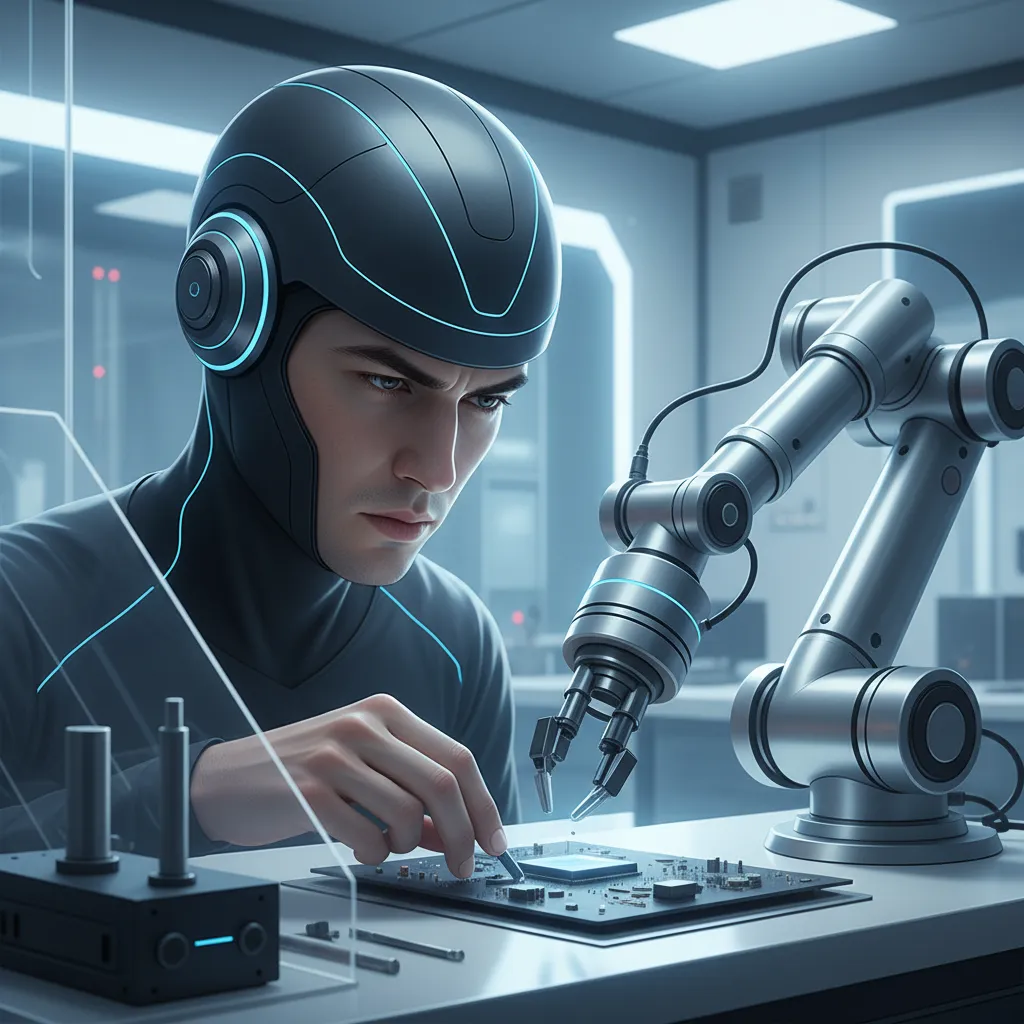
- Examples: Consumer headsets from companies like Emotiv, NeuroSky, and the OpenBCI platform for researchers and hobbyists.
- Pros: Completely safe, relatively inexpensive, and easy to use, making them ideal for widespread bci for daily life, research, and consumer applications like bci gaming.
- Cons: The skull naturally distorts and weakens brain signals, resulting in lower resolution and a “noisier” signal. This makes it more challenging to achieve the fine-grained control possible with invasive methods. However, advancements in sensor technology and AI are rapidly closing this gap.
The Transformative Power of BCI: Real-World Applications Today and Tomorrow
The potential bci applications are vast and extend far beyond medical recovery. This technology is creating new possibilities across every sector of human life.
Restoring Hope and Function: BCI for Disabilities
The most profound impact of BCI technology to date has been in the field of medicine, particularly for individuals with severe motor or communication disabilities.
- Communication: For people with conditions like locked-in syndrome or advanced ALS, BCIs offer a lifeline. By focusing on letters on a screen, they can type out messages with their thoughts, enabling them to communicate with loved ones and caregivers.
- Mobility: BCIs are being used to control advanced neuroprosthetics (robotic limbs) with remarkable dexterity. A person with a spinal cord injury can use a BCI to send signals to a robotic exoskeleton, allowing them to walk again. This direct brain interface provides a level of intuitive control that was previously unimaginable. Related: AI-Powered Personalized Medicine: Revolutionizing the Future of Health
- Restoring Sensation: The connection is becoming a two-way street. Researchers are developing systems where sensors in a prosthetic hand send signals back to the brain, allowing the user to “feel” the texture and pressure of an object they are holding.
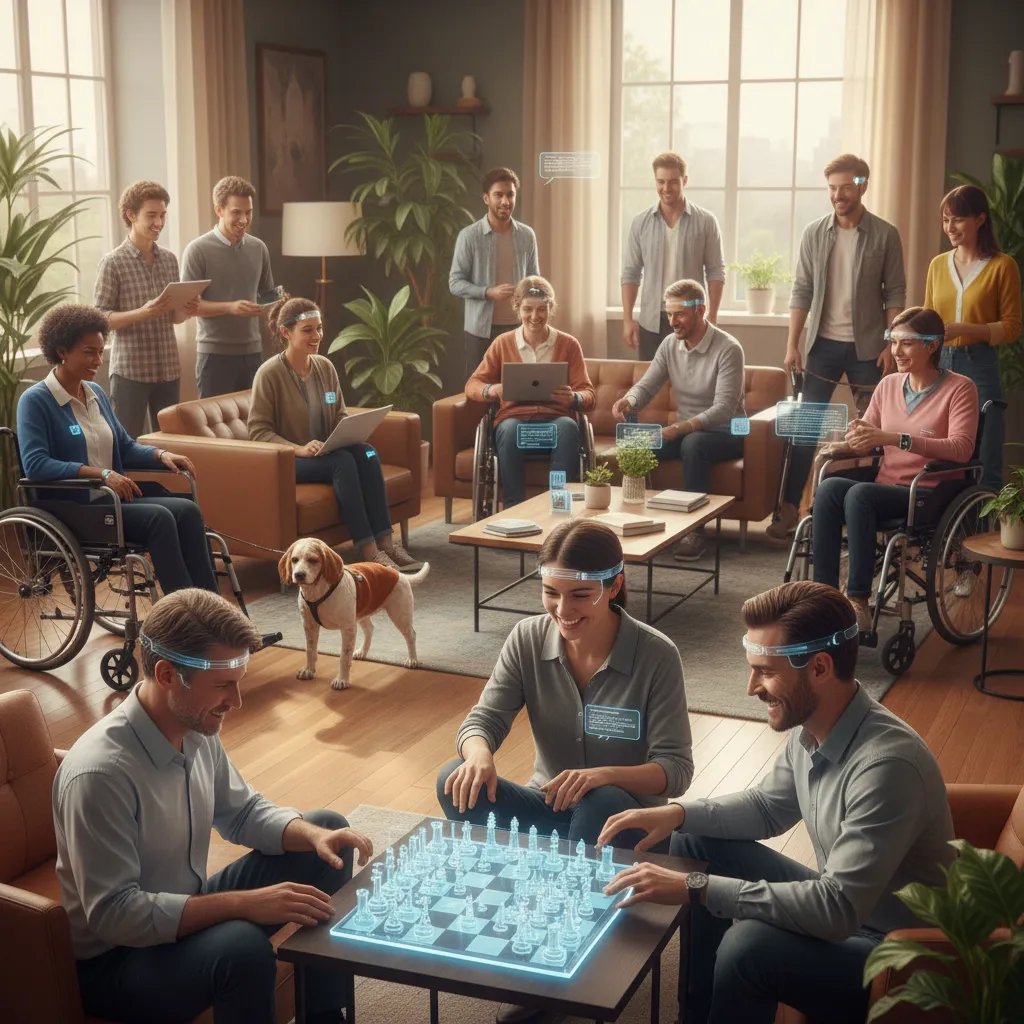
These bci health benefits are not just about restoring function; they are about restoring autonomy, dignity, and quality of life.
Augmented Intelligence: Enhancing Human Capabilities
Beyond restoration, the next frontier for BCI is augmentation. This involves using the technology to enhance the cognitive abilities of healthy individuals, a concept often referred to as augmented intelligence.
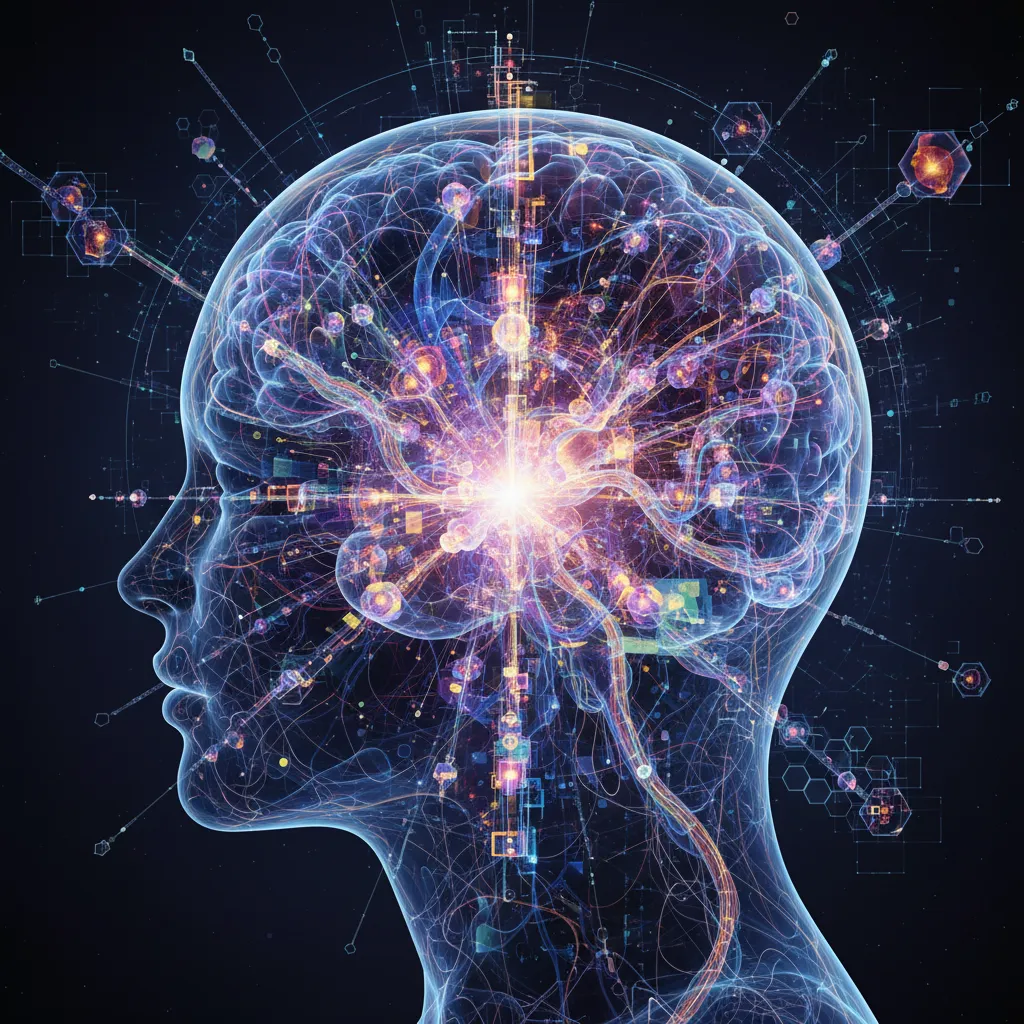
Imagine a surgeon with a BCI that provides real-time feedback and enhances their focus, or a pilot whose interface monitors their cognitive load and flags potential fatigue before it becomes dangerous. Cognitive enhancement BCI could help us learn faster, improve our memory, and even manage mental health conditions like ADHD and anxiety through advanced neurofeedback technology. This creates a future of symbiotic human computer interaction where our minds and our technology work in seamless harmony. Related: The Rise of Wearable AI: How Smart Devices Are Augmenting Human Capabilities
Beyond Medicine: BCI in Daily Life, Gaming, and Communication
As non-invasive BCI becomes more affordable and user-friendly, its applications in our daily lives will explode.
- BCI Gaming: The entertainment industry is an early adopter. Imagine playing a game where your character reacts to your emotional state, or where you can cast a spell simply by concentrating on the target. This creates a level of immersion that current controllers can’t match.
- Smart Environments: Control your smart home devices—lights, thermostat, music—with a thought. This hands-free control could be a game-changer for convenience and accessibility. Related: AI Agents Unleashed: Your Guide to Smart Living and a Fully Automated Home
- “Silent” Communication: Researchers are working on systems that can translate imagined speech directly into text or synthesized voice. This thought control technology could allow for discreet communication in loud environments or for people who are unable to speak.
The Neurotech Future: Peeking into the Next Generation of BCI
The field of BCI research is advancing at an exponential rate. The bci devices 2024 are already significantly more powerful than those from just a few years ago, and the neurotech future looks even more astonishing.
BCI Innovation and Next-Generation Neurotech
Key areas of bci innovation include:
- Advanced Materials: Softer, more flexible polymers for neural implants that can better integrate with brain tissue, reducing the risk of rejection and damage.
- AI and Machine Learning: Smarter algorithms are the key to better brain signal interpretation. AI can learn a user’s unique neural patterns faster and more accurately, adapting in real-time for smoother control.
- Miniaturization: Devices are becoming smaller, more efficient, and wireless, making them less obtrusive and more practical for everyday use.
The Concept of a Global Brain: BCI and Collective Intelligence
Looking further ahead, some futurists envision a world where BCIs could connect minds directly, creating a form of collective intelligence. While still highly speculative, the idea of brain-to-brain communication could revolutionize collaboration, problem-solving, and even empathy.

Imagine teams of scientists or engineers sharing complex ideas seamlessly, or smart cities that operate on the collective, real-time feedback of their citizens. This is the ultimate vision of a fully integrated direct brain interface network. Related: How Autonomous AI Agents Will Automate Your Life and 10x Your Productivity
The Elephant in the Room: Navigating the Ethical Maze of BCI
As with any powerful technology, the rise of BCIs brings a host of complex ethical challenges that we must address proactively. The conversation around ethical BCI is just as important as the technological development itself.
Privacy and Mental Freedom
If our thoughts can be decoded, what happens to our mental privacy? The data from our brains is the most intimate data imaginable. We need robust regulations to prevent corporations or governments from accessing or exploiting this data without explicit consent. The concept of “freedom of thought” takes on a whole new meaning.
Security and “Brain-Hacking”
An internet-connected BCI is, by definition, hackable. The possibility of a malicious actor accessing someone’s neural implant—a concept known as “brain-hacking”—is terrifying. It could lead to anything from stolen data to the manipulation of a person’s actions or perceptions.
Equity and Accessibility
Will enhancing human capabilities with BCI create a new form of social divide? If cognitive enhancement is expensive, we could see a future where the wealthy can purchase superior intelligence, creating a biological gap between the “enhanced” and the “unenhanced.” Ensuring equitable access is crucial.
Agency and Identity
How does a direct interface with machines affect our sense of self? If an algorithm is helping to shape our thoughts or decisions, where does our free will begin and the machine’s influence end? These are deep philosophical questions about identity and agency that we are only just beginning to ask.
Conclusion: Charting the Course for Our BCI-Enhanced Future
The Brain-Computer Interface revolution is no longer a distant dream. It’s a rapidly advancing field that holds the key to treating debilitating neurological conditions, restoring lost function, and augmenting human potential in ways that will redefine our relationship with technology. From invasive neural implants giving a paralyzed person control over a robotic arm to non-invasive BCI headsets that let you control a game with your mind, this technology is already changing lives.
The journey ahead is filled with both incredible promise and significant challenges. As we continue to unlock the secrets of the brain and refine the power of bci technology, we must proceed with a strong ethical compass. By fostering open dialogue about privacy, security, and equity, we can ensure that the neurotech future is one that empowers all of humanity.
The BCI revolution is a testament to human ingenuity. It’s a journey into the very core of what makes us human—our consciousness—and a bold step toward a future where the limits of our potential are waiting to be rewritten.
Frequently Asked Questions (FAQs)
Q1. What is a brain-computer interface in simple terms?
In simple terms, a Brain-Computer Interface (BCI) is a technology that creates a direct communication link between your brain and an external device, like a computer or a robotic limb. It allows you to control the device using only your thoughts, without any physical movement.
Q2. Can a BCI read your thoughts?
Not in the way you see in movies. Current BCI technology cannot decode complex, abstract thoughts like “What should I have for dinner?”. Instead, it excels at recognizing specific patterns of brain activity related to a user’s intention, such as the intent to move a limb or focus on a specific target. This is more like “intent reading” than “mind reading technology.”
Q3. Is BCI technology available now?
Yes, BCI technology is available today in various forms. Medical-grade invasive and non-invasive BCIs are used in clinical trials and for patients with severe disabilities. Additionally, several consumer-grade non-invasive EEG headsets are available for applications like gaming, meditation, and research.
Q4. What are the two main types of BCI?
The two main categories are invasive BCI and non-invasive BCI. Invasive BCIs require surgery to place electrodes directly on or in the brain, offering very high-quality signals. Non-invasive BCIs use external sensors, typically in a headset or cap, and are safe and easy to use but have a lower-quality signal.
Q5. Is BCI dangerous?
Non-invasive BCIs are considered very safe, as they only read brain signals from the scalp. Invasive BCIs carry the same risks associated with any neurosurgery, such as infection or damage to brain tissue, which is why they are currently reserved for severe medical cases where the potential benefits outweigh the risks.
Q6. What are the main benefits of BCI?
The primary benefits of BCI are in restoring function and communication for individuals with paralysis, ALS, or other neurological disorders (bci for disabilities). They can also be used for cognitive enhancement bci, neurofeedback therapy, and to create highly immersive experiences in gaming and virtual reality.
Q7. How does a BCI system work?
A BCI system works in three steps: 1) Signal Acquisition: Sensors detect electrical signals from the brain. 2) Signal Processing: A computer filters the signals and uses algorithms to interpret the user’s intent. 3) Output Command: The interpreted intent is translated into a command that controls an external device.