AI Unleashed: Discover Unforgettable Local Travel Experiences
Introduction
You’ve felt the familiar pang of travel disappointment. You spent weeks researching, only to find yourself shoulder-to-shoulder with thousands of other tourists at a landmark that looks better on Instagram. The “authentic” restaurant you found on a top-ten list has a laminated menu in six languages. This is the paradox of modern travel: endless information often leads to generic, cookie-cutter experiences. We crave connection and discovery, but often end up on a well-trodden path.
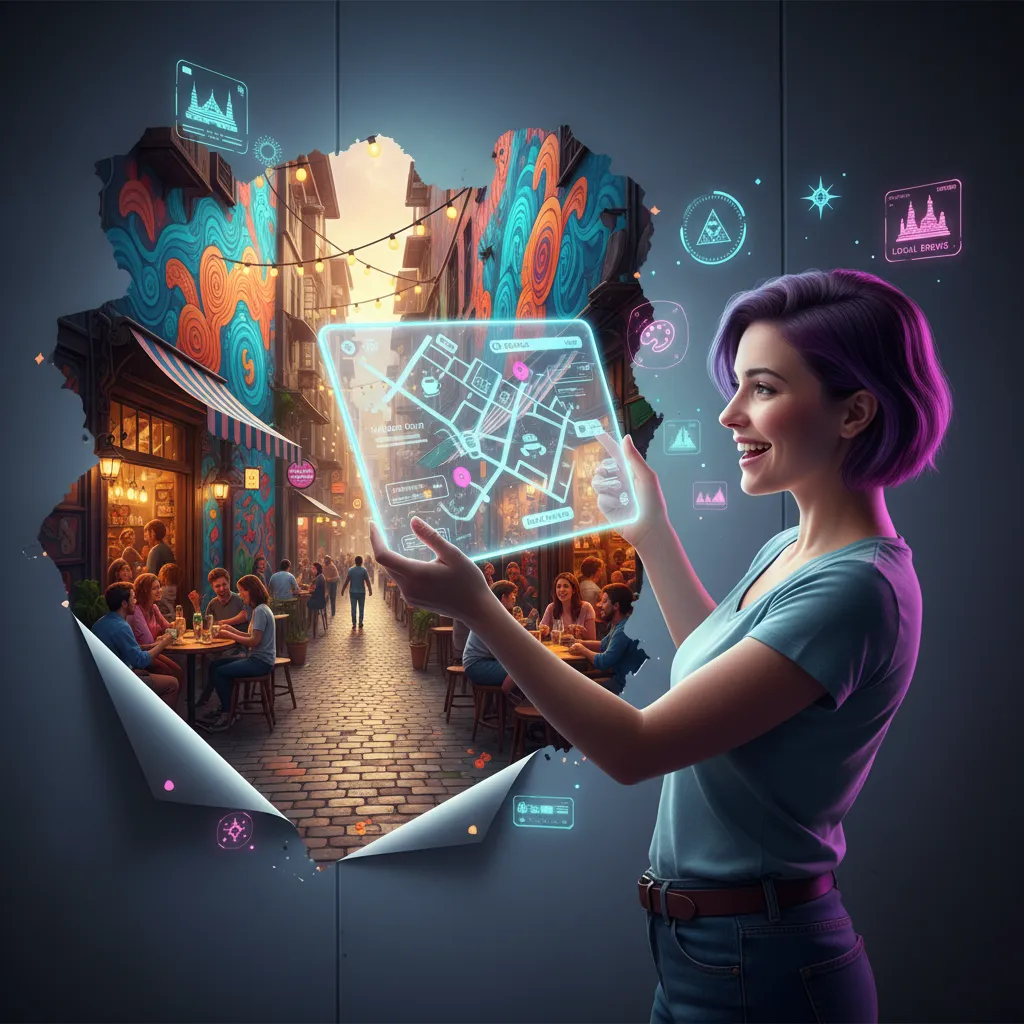
What if you had a personal travel concierge in your pocket? A guide that understands your unique tastes, from your love of brutalist architecture to your quest for the spiciest street food, and could build a journey just for you. This isn’t science fiction; it’s the reality of AI travel. Artificial intelligence is fundamentally reshaping how we explore the world, moving us beyond the brochure and into the heart of a destination.
This article is your guide to the new era of AI-driven travel discovery. We’ll explore how this technology works, introduce the best AI travel tools at your fingertips, and show you how to leverage them to craft tailored travel itineraries filled with unforgettable, unique travel experiences that feel truly your own.
Beyond the Brochure: Why Traditional Travel Planning is Broken
For decades, the traveler’s toolkit was predictable: a heavy guidebook, a fold-out map, and maybe a few recommendations from friends. The internet blew this wide open, replacing the single guidebook with a firehose of blogs, review sites, and social media feeds. Yet, this information overload created new problems.
- The Echo Chamber Effect: Top-ranking blogs and travel sites often recommend the same handful of places. This creates a feedback loop where popular spots become even more popular, pushing authentic local gems further into the shadows.
- The Paradox of Choice: Sifting through hundreds of reviews on TripAdvisor or Yelp for a single dinner spot can be exhausting. You spend more time planning and less time experiencing, often defaulting to the “safest” and most generic option.
- Stale Information: A printed guidebook is outdated the moment it’s published. Even online content can quickly become irrelevant as new businesses open and local scenes evolve.
- One-Size-Fits-None: Traditional planning methods are inherently impersonal. They can’t understand the nuances of your travel style. They don’t know that you’d rather spend an afternoon in a quiet, historic library than a bustling shopping district.
This is where the need for a personalized journey planner becomes critical. We need a smarter way to filter the noise and connect with the soul of a place.
The AI Travel Revolution: Your Personal Concierge Has Arrived
Enter the AI travel assistant. This isn’t just another app; it’s a powerful new kind of smart travel guide powered by the same complex technology that recommends movies on Netflix or songs on Spotify. By analyzing massive datasets, these AI systems can deliver a level of personalization previously reserved for the ultra-wealthy.
So, how does it work?
At its core, AI trip planning technology leverages several key components:
- Machine Learning (ML): AI models are trained on vast amounts of travel data—maps, reviews, blogs, social media posts, flight schedules, historical weather patterns, and more. They learn to identify patterns and connections that a human could never process.
- Natural Language Processing (NLP): This allows you to interact with the AI in plain English. You can simply type, “I’m a vegetarian history buff visiting Rome for 3 days in May. I want to see ancient sites but avoid big crowds and love cozy wine bars.” The NLP understands your intent, preferences, and constraints.
- Recommendation Engines: The system then cross-references your unique request with its massive database to generate AI personalized recommendations. It doesn’t just find “vegetarian restaurants”; it finds the highest-rated vegetarian spot in a quiet neighborhood near the Forum that locals rave about online.
This sophisticated process transforms AI for travel research from a tedious chore into an exciting, collaborative conversation. It’s the engine driving the most significant travel tech trends today.
Related: AI Medical Marvel: Early Disease Detection & Personalized Treatment
Crafting Your Perfect Journey: How AI Delivers Hyper-Personalization
The true magic of an AI travel concierge lies in its ability to translate your vague desires into a concrete, actionable, and exciting plan. It’s about creating custom travel experiences that resonate deeply with your personal interests.
From Vague Ideas to Tailored Itineraries
Forget spending hours stitching together a schedule on a spreadsheet. An AI can build a logical, efficient, and inspiring itinerary in minutes.
Let’s say you’re planning a trip to Tokyo. A traditional search might give you the Imperial Palace, Shibuya Crossing, and the Tokyo Skytree. An AI-powered approach is different.
Your Prompt: “Plan a 4-day trip to Tokyo for a solo traveler who loves vintage camera shops, quiet coffee houses, gyoza, and 1980s retro-futuristic anime. I prefer walking and public transport and want to find some offbeat travel AI suggestions.”
A Possible AI Itinerary Snippet:
- Day 1: Shimo-kitazawa & Gyoza Quest
- Morning (10 AM): Start your day in the bohemian neighborhood of Shimo-kitazawa. We’ve mapped a walking tour of three hidden vintage clothing and vinyl record stores.
- Lunch (1 PM): Skip the chains. Based on recent local foodie blogs, we recommend Gyoza Shack, a tiny 8-seat spot known for its pan-fried pork and ginger dumplings.
- Afternoon (3 PM): Explore the nearby alleyways, known for independent art and quiet cafes. We’ve highlighted “Bear Pond Espresso” for its exceptional quality.
- Day 2: Akihabara’s Retro-Future
- Morning (11 AM): Visit Super Potato, a famous retro video game store in Akihabara. We’ve identified two lesser-known vintage camera shops within a 5-minute walk.
- Evening (7 PM): Experience the 80s anime aesthetic at Shinjuku Golden Gai, a network of tiny, atmospheric bars. We suggest a bar known for its collection of classic sci-fi movie posters.
This is the power of a tailored travel itinerary. It’s not just a list of places; it’s a narrative built around your passions.
Unearthing Hidden Gems the Locals Love
One of the most exciting applications of AI for authentic travel is its ability to discover local spots with AI analysis. The AI can sift through geotagged social media posts, local blogs (in their native language), and Google Maps reviews to identify places that are trending with residents, not just tourists.

It finds the signal in the noise. It can distinguish between a place that’s popular because it’s famous and a place that’s popular because it’s good. This is how you find:
- The family-owned trattoria in Florence that doesn’t have a website but is beloved for its handmade pasta.
- The unassuming jazz bar in New Orleans that hosts incredible local musicians on Tuesday nights.
- The stunning cliffside viewpoint in Lisbon that offers a better sunset view than the crowded official “miradouro.”
- The independent artist’s workshop in Mexico City where you can buy unique souvenirs directly from the creator.
This is the core promise of hidden gems travel AI: escaping the herd and experiencing the authentic rhythm of a city.
Real-Time, Spontaneous Adventures
Your trip doesn’t stop once the plan is made. The best adventures often happen in the moment. Modern AI travel apps excel at AI for spontaneous travel.
Imagine this: you’ve just finished exploring a museum, and it starts to rain. You pull out your phone and ask your AI assistant, “It’s raining in Paris near the Louvre. Suggest a cozy, interesting indoor activity for the next 2 hours that isn’t another museum.”
Within seconds, you get suggestions like:
- “Visit the Passage des Panoramas, a beautiful 19th-century covered passage filled with antique shops and cafes, a 10-minute walk from you.”
- “There is a classic film screening at Le Champo, a historic cinema in the Latin Quarter, starting in 30 minutes.”
- “Duck into La Librairie Galignani, an elegant English-language bookstore on Rue de Rivoli, perfect for browsing on a rainy afternoon.”
This ability to adapt and provide context-aware suggestions makes your AI a true smart travel guide, empowering you to embrace spontaneity with confidence.
Related: AI for Eco-Conscious Travel: Plan Sustainable Adventures
The Best AI Travel Tools Powering Your Next Adventure
The AI in tourism landscape is exploding with innovative tools. While many apps are emerging, they generally fall into a few key categories.
The All-in-One Planners
These are the powerhouses of next-gen travel planning. They aim to be a one-stop shop for inspiration, itinerary building, and even booking.
- GuideGeek: A popular choice that operates through WhatsApp, making it feel like you’re texting a savvy travel expert. It’s fantastic for quick questions and brainstorming.
- Wanderlog: A collaborative trip planner that has integrated an AI assistant to help build and optimize itineraries for groups.
- TripIt: While known for organizing bookings, its pro features are increasingly using AI to provide helpful alerts and travel information.
The Niche Specialists
Some AI tools focus on doing one thing exceptionally well, catering to specific passions. This is where hyper-personalized travel truly shines.
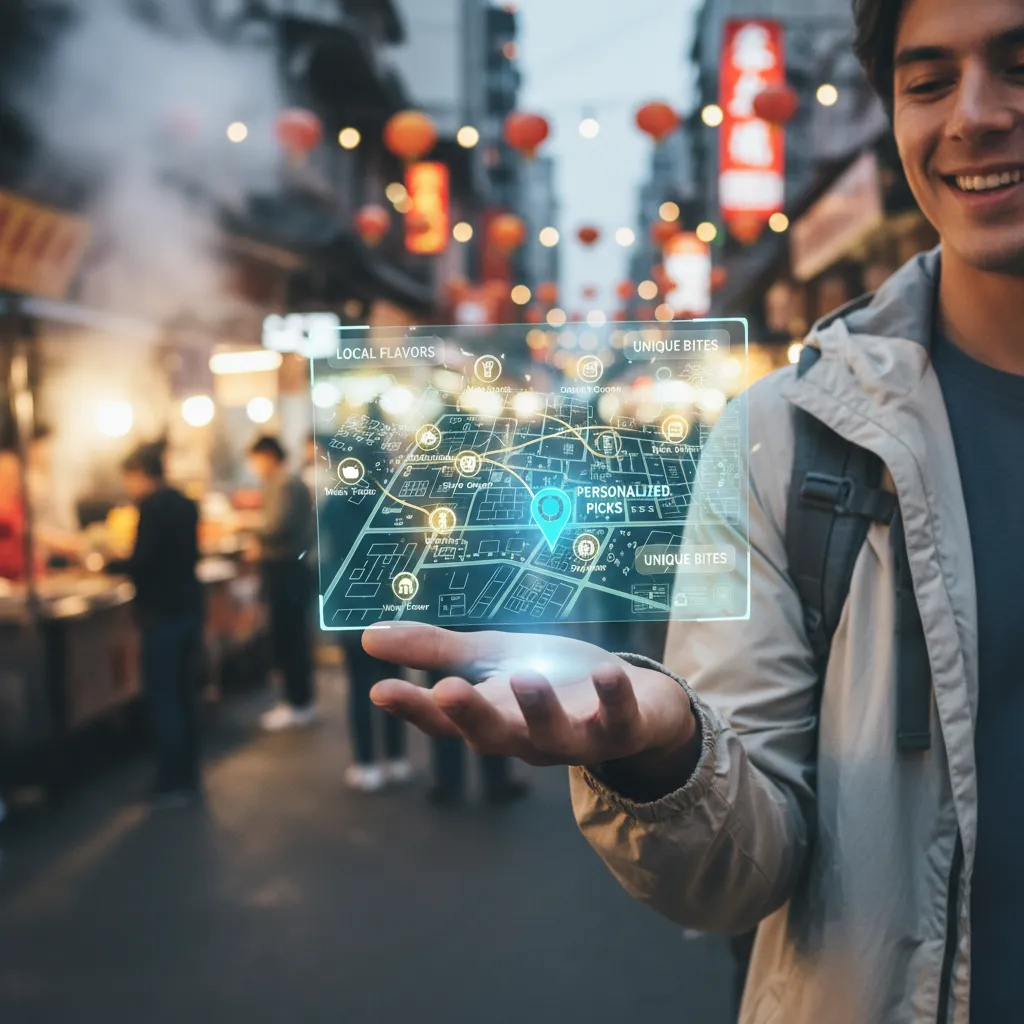
- Culinary AI: Apps that analyze your taste profile and local food trends to recommend specific dishes at specific restaurants. Imagine an AI telling you, “The cacio e pepe at Roscioli Salumeria in Rome is exceptional today, based on 50 recent reviews.”
- Outdoor Adventure AI: Tools that analyze your fitness level, desired difficulty, and real-time weather data to recommend the perfect hiking trail or scenic bike route.
The Conversational Concierges
Don’t overlook the powerful generalist AI models like ChatGPT (OpenAI) and Gemini (Google). With the right prompting, they can be incredibly effective AI travel research tools. You can ask them to compare neighborhoods, generate packing lists, create historical walking tours, or even teach you a few key phrases in the local language.
More Than Just a Map: AI-Enhanced Immersive Experiences
The future of travel AI extends far beyond the planning phase. It’s about deepening your connection and understanding of a place while you’re actually there, creating truly immersive travel experiences.
Augmented Reality and AI-Powered Guides
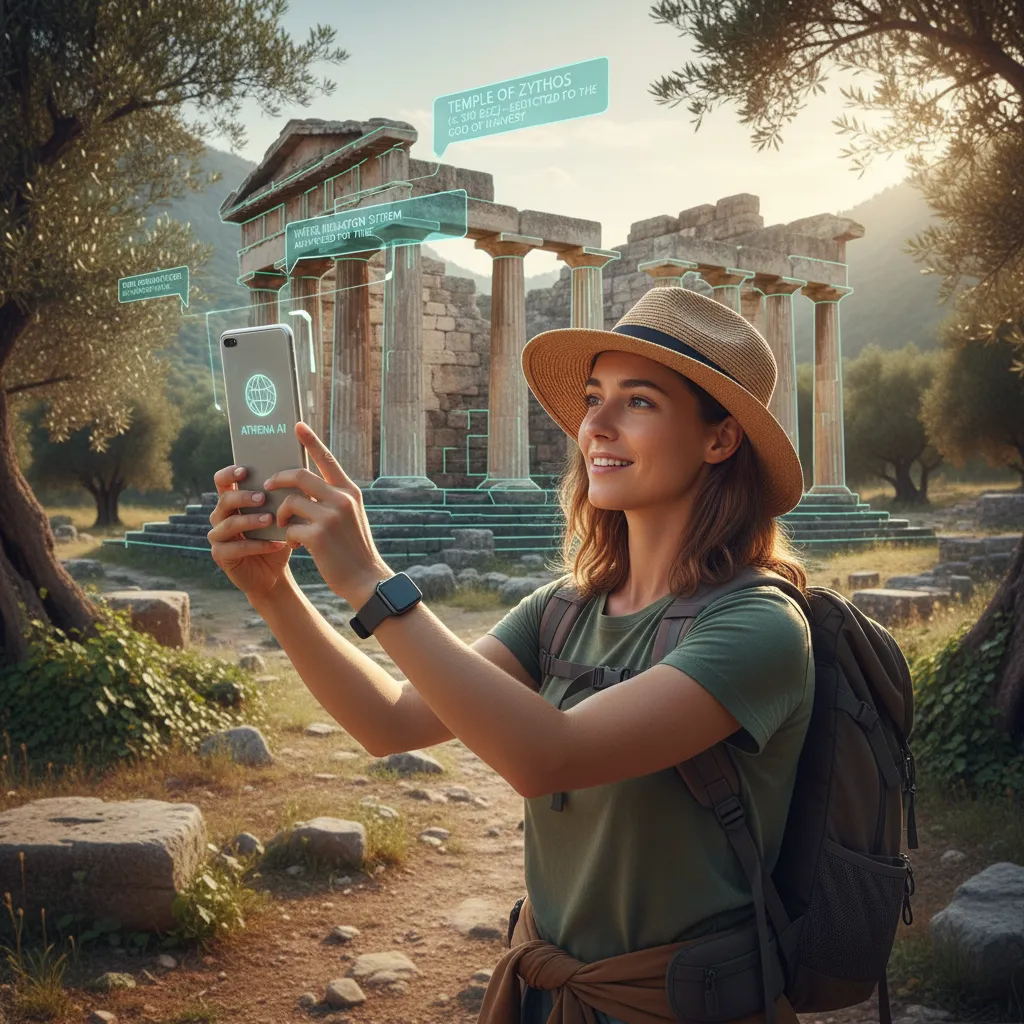
Augmented Reality (AR) is where the digital and physical worlds collide. Imagine pointing your phone’s camera at the Roman Forum and seeing an AI-generated overlay of how the ancient buildings once stood in their full glory, complete with historical facts popping up as you explore. This technology turns your smartphone into a time machine and a dynamic museum guide.
Connecting with Local Culture and Communities
True travel is about human connection. AI can be a powerful facilitator for discovering local culture AI travel opportunities. By analyzing local event listings, community forums, and social groups, an AI can suggest:
- A hands-on pasta-making class in a local’s home in Tuscany.
- A neighborhood block party or street festival happening in Brooklyn.
- A visit to a local artisan cooperative in Oaxaca to see craftspeople at work.
These are the kinds of unique travel experiences that create lasting memories and foster a genuine appreciation for another culture.

Overcoming Language Barriers
Modern AI-powered translation apps allow for near-real-time conversation with anyone, anywhere. Being able to ask a shopkeeper about their craft or order from a menu with confidence breaks down barriers and opens the door to more authentic and meaningful interactions.
Related: The Fintech Revolution: Mastering Money with Innovative Personal Finance Tools
Conclusion
We are at the dawn of a new golden age of travel. The generic, one-size-fits-all approach is fading, replaced by a world of hyper-personalized travel powered by artificial intelligence. This is not about letting a robot plan your life; it’s about using a powerful tool to augment your own curiosity.
AI is the key that unlocks a city’s secrets, helping you bypass the tourist traps and discover the hidden gems that resonate with your soul. It’s the ultimate personalized journey planner that saves you time on logistics so you can spend more time being present, exploring, and connecting. From crafting the perfect tailored travel itinerary to enabling spontaneous, in-the-moment discoveries, AI unleashed is making travel more authentic, more personal, and more unforgettable than ever before.
Ready to plan your next adventure? Try a conversational AI like Gemini or an app like GuideGeek. Feed it your passions, and watch as it unveils a side of the world you never knew existed.
Frequently Asked Questions (FAQs)
What is the best AI to plan a trip?
There isn’t one single “best” AI, as it depends on your needs. For conversational planning and brainstorming, tools like ChatGPT and Google’s Gemini are excellent. For an integrated, app-like experience, services like GuideGeek and Wanderlog are popular choices that combine itinerary creation with AI-powered suggestions.
How does AI create a personalized travel itinerary?
AI creates a personalized itinerary by analyzing your specific inputs (interests, budget, travel style, dates) and cross-referencing them with a massive database of information, including maps, reviews, local blogs, and business hours. Using machine learning, it identifies patterns and connections to build a logical, efficient, and highly relevant plan that matches your unique profile.
Can AI help me find non-touristy spots?
Absolutely. This is one of AI’s greatest strengths. By analyzing data sources that tourists often overlook—like local blogs, neighborhood forums, and geotagged social media from residents—AI can identify “hidden gems” and authentic local favorites that haven’t made it into mainstream guidebooks, allowing for a more authentic travel experience.
Are AI travel apps free to use?
Many AI travel tools offer a free tier or a limited number of free queries. For example, using general AI like ChatGPT or Gemini is often free. Specialized apps like GuideGeek may have a subscription model or a certain number of free trips before requiring payment for more advanced features and unlimited planning.
Will AI replace human travel agents?
While AI is a powerful tool for planning, it’s unlikely to completely replace human travel agents. Agents provide a high-touch, human service, expert curation, and can manage complex, multi-part bookings that require human intervention and problem-solving. AI is best seen as a powerful assistant for the individual traveler or a tool for agents to use themselves.
How can I use ChatGPT for travel planning?
You can use ChatGPT by giving it a detailed prompt. Include your destination, dates, budget, interests (e.g., “love history, hate crowds, enjoy craft beer”), travel style, and who you’re traveling with. Ask it to create a day-by-day itinerary, suggest restaurants, provide packing lists, or even create a themed walking tour. The more specific you are, the better the results.
What are the limitations of using AI for travel?
The primary limitation is that AI can sometimes provide outdated information (e.g., a restaurant that has since closed) or “hallucinate” details that aren’t real. It’s always crucial to double-check key information like opening hours, addresses, and reservation requirements with a primary source like the venue’s official website or Google Maps before you go.