AI for Personalized Wellness: Your Guide to a Healthier Future

Introduction
The days of one-size-fits-all health advice are officially behind us. We’ve moved beyond generic diet fads and cookie-cutter workout plans into an era of hyper-personalization, and the driving force behind this revolution is Artificial Intelligence. The convergence of AI wellness and health tech is not just a trend; it’s a fundamental shift in how we approach our well-being. This isn’t about sci-fi robots replacing doctors; it’s about empowering you with data-driven insights to build a healthier, longer, and more vibrant life.
Imagine a world where your fitness routine adapts in real-time to your energy levels, your meal plan adjusts based on your metabolic response to your last meal, and your mindfulness app knows precisely when you need a breathing exercise to manage stress. This is the promise of personalized health, a proactive and deeply individualized approach to well-being.
In this comprehensive guide, we’ll explore the incredible landscape of AI in personal wellness. You’ll learn exactly how AI personalizes health, from the smart health trackers 2024 on your wrist to the sophisticated algorithms powering AI-powered nutrition plans and mental wellness AI. We’ll delve into the tangible benefits of AI in wellness and look ahead to the exciting future of personal health.
The Dawn of a New Era: What is AI-Powered Wellness?
At its core, AI-powered wellness is the use of artificial intelligence, machine learning, and vast amounts of data to provide personalized health recommendations and solutions. Instead of relying on population-wide averages, this approach treats you as an individual with a unique biological makeup, lifestyle, and set of goals.
How does it work? It starts with data. Wearables, apps, and even smart home health devices collect continuous streams of information—your heart rate variability (HRV), sleep cycles, activity levels, stress markers, and even glucose levels. This massive dataset is where AI shines. It can identify patterns, correlations, and anomalies that would be impossible for a human to spot.
This forms the foundation of predictive health analytics, shifting the focus from treating sickness to actively cultivating wellness. It’s the difference between waiting for a warning light to appear on your car’s dashboard and having a system that constantly monitors engine health to prevent a breakdown. AI acts as your personal health analyst, providing proactive wellness solutions tailored just for you.
Related: AI’s Blueprint for a Healthier Future: Predictive Prevention and Genetic Insights
Your AI Fitness Coach: Beyond Step Counting
For years, fitness trackers were little more than glorified pedometers. Today, AI fitness has transformed them into sophisticated performance and recovery hubs. The integration of wearable AI health technology has created a dynamic feedback loop between your body and your training.
The Power of Biometric AI Health Data
Modern smart health trackers 2024 like the Oura Ring, Whoop, and the latest Apple Watch are packed with sensors collecting biometric AI health data. They monitor:
- Heart Rate Variability (HRV): A key indicator of your nervous system’s recovery status. Low HRV? Your AI coach might suggest a lighter workout or a rest day.
- Sleep Stages: Deep, REM, and light sleep analysis helps the AI understand your physical and mental recovery. Sleep tracking AI can correlate poor sleep with next-day performance dips.
- Blood Oxygen (SpO2): Tracks respiratory health and can indicate changes in fitness levels or potential health issues.
- Skin Temperature: Can signal oncoming illness or changes in your menstrual cycle.
Generative AI for Fitness: Your Dynamic Workout Partner
This is where things get truly futuristic. Generative AI for fitness uses this constant stream of biometric data to create and adjust workout plans on the fly. Apps like Fitbod and Freeletics use AI to design a customized workout AI plan for the day based on which muscles are recovered, your sleep quality, and your long-term goals.
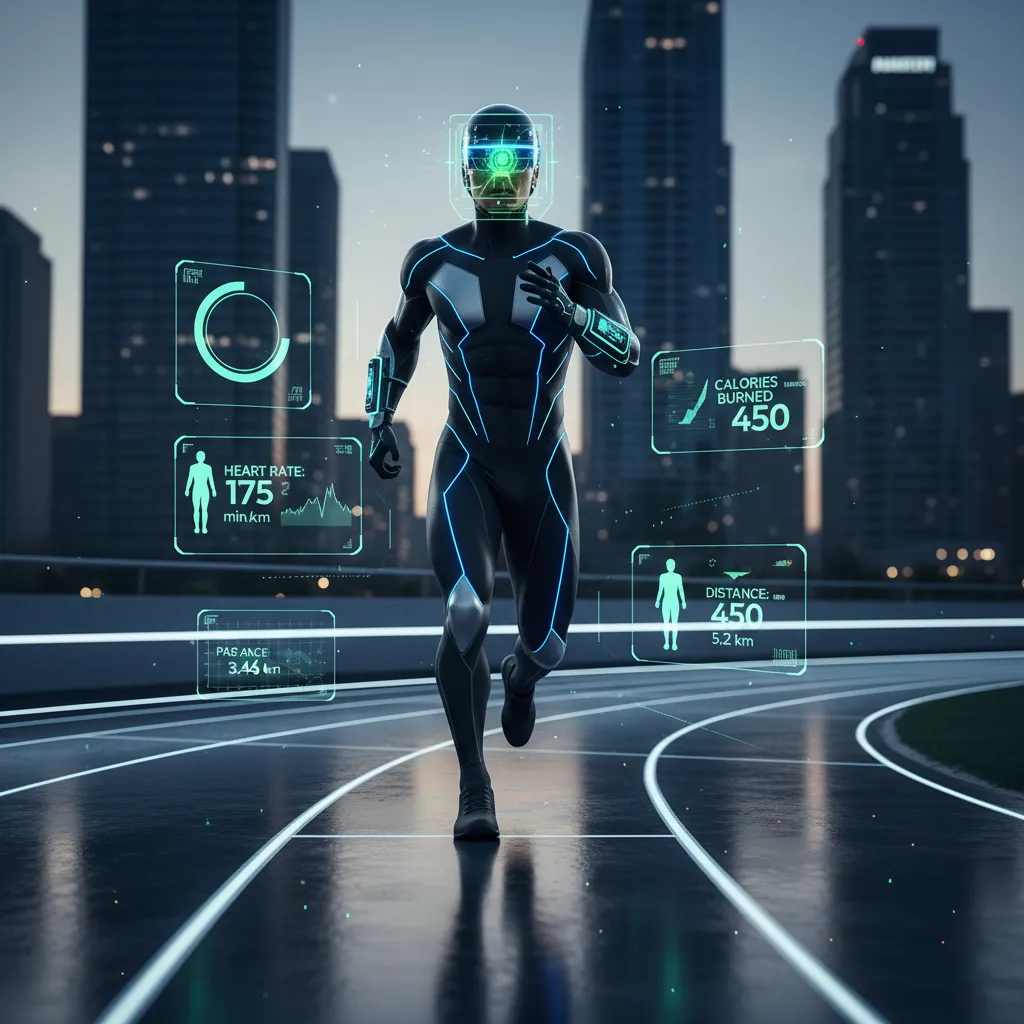
If you tell the app you only have 20 minutes and access to dumbbells, it will generate a completely unique, effective workout. If you crushed your last session, it might push you harder. If you had a terrible night’s sleep, it will scale back the intensity to prevent overtraining. This is true digital health coaching—responsive, intelligent, and perpetually optimized for you.
The AI Nutritionist in Your Pocket
Generic diet plans fail because they don’t account for individual metabolic responses, preferences, and lifestyles. AI is changing the game by making hyper-personalized nutrition accessible to everyone.
AI-Powered Nutrition Plans
An AI nutrition coach lives in your phone and acts as your personal guide to eating better. Here’s how it works:
- Data Input: You log meals (often by simply taking a picture), connect your wearable devices, and input your goals (weight loss, muscle gain, better energy).
- AI Analysis: The AI analyzes your macronutrient and micronutrient intake, correlates it with your energy levels, workout performance, and even sleep quality from your tracker.
- Personalized Recommendations: Based on this health data analytics, the app provides real-time suggestions. It might recommend more protein after a tough workout or suggest specific carbs to improve your sleep.

Apps are integrating features that can predict your blood sugar response to certain foods, helping you build meals that prevent energy crashes. This level of detail was once reserved for elite athletes, but AI-powered nutrition plans are now democratizing metabolic health.
Related: AI for Eco-Conscious Travel: Plan Sustainable Adventures
Nurturing Your Mind: AI’s Role in Mental Wellness
The wellness revolution isn’t just physical. Mental wellness AI is providing powerful, accessible tools for managing stress, anxiety, and overall emotional well-being. While not a replacement for human therapy, AI mental health apps are filling a crucial gap in care.
Your Virtual Health Assistant for the Mind
AI-powered chatbots like Woebot and Youper use principles of Cognitive Behavioral Therapy (CBT) to offer support 24/7. These virtual health assistants can guide you through thought exercises, help you identify negative patterns, and provide a non-judgmental space to talk.
AI Stress Management and Mindfulness
The synergy between wearables and mindfulness apps is a key area of innovation. Here’s how AI stress management works:
- Your smartwatch detects physiological signs of stress, such as an elevated heart rate and low HRV.
- It sends a notification to your phone, prompting a mindfulness AI app like Calm or Headspace.
- The app then guides you through a personalized breathing exercise or meditation tailored to bring your nervous system back into a balanced state.
This proactive intervention can help manage stress in the moment, preventing it from building up over the course of the day. Effective sleep tracking AI also plays a vital role here, as quality sleep is the cornerstone of mental resilience.

From Reactive to Proactive: AI for Preventative Care
Perhaps the most profound impact of AI in wellness is the shift towards AI for preventative care. By analyzing your health data over weeks, months, and years, AI algorithms can identify subtle trends that may signal the early stages of a chronic condition long before you feel any symptoms.
This field of predictive health analytics is a cornerstone of longevity tech AI. The goal is not just to extend lifespan but to increase “healthspan”—the number of years you live in good health.

Imagine your health dashboard flagging a gradual decline in your cardiovascular fitness or a consistent change in your sleep patterns. This insight allows you and your doctor to make targeted lifestyle interventions—like adjusting your diet or incorporating specific exercises—to steer your health back on course. It’s about catching the small problems before they become big ones, representing one of the most significant AI in healthcare trends.
Related: AI Medical Marvels: Revolutionizing Early Disease Detection and Personalized Treatment
The Tech Behind the Transformation: Best AI Wellness Gadgets
The market for health tech is booming. Here are some of the best AI wellness gadgets and devices leading the charge:
| Device Category | Leading Examples | Key AI-Powered Features |
|---|---|---|
| Smart Rings | Oura Ring Gen3, Ultrahuman Ring AIR | Readiness and Sleep Scores, activity goal setting, temperature trend analysis. |
| Advanced Smartwatches | Apple Watch Series 9, Garmin Fenix 7 | ECG, Blood Oxygen, real-time coaching, recovery time advisor, Body Battery™ energy. |
| Metabolic Health Monitors | Levels, Nutrisense (CGMs) | Real-time glucose monitoring with AI-driven insights on food-body response. |
| Smart Scales | Withings Body Scan, Garmin Index S2 | Body composition analysis, vascular age, nerve health scores, and trend tracking. |
| Smart Home Health Devices | Eight Sleep Pod, Withings Sleep Mat | AI-powered temperature control for optimal sleep, advanced snore detection. |
These devices work together to create a comprehensive picture of your health, feeding data into sophisticated AI platforms that deliver holistic and actionable insights.
Navigating the Future: The Ethics and Challenges of AI in Wellness
As we embrace this data-driven future, it’s crucial to address the challenges. The future of health tech depends on building trust and ensuring responsible innovation.
- Data Privacy: Who owns your incredibly personal health data? It’s essential to choose services with transparent and robust privacy policies.
- Algorithmic Bias: AI models are trained on data. If that data isn’t diverse, the recommendations may be less accurate for certain demographics.
- The Human Element: AI is a powerful tool, but it is not a substitute for the empathy, intuition, and comprehensive knowledge of a healthcare professional. Always consult your doctor for medical advice.
Building a framework for ethical AI is paramount. As users, we must remain critical consumers, and as a society, we need to ensure these powerful tools are used to promote health equity for all.
Related: Navigating AI Ethics: A Guide to Governance, Bias, and Trust in the AI Era
Conclusion
We are at the very beginning of a health revolution. AI wellness is transforming our relationship with our bodies and minds, moving us from a passive, reactive stance to one that is empowered, proactive, and deeply personal. From the generative AI for fitness that builds your perfect workout to the AI nutrition coach that fine-tunes your diet and the mental wellness AI that supports you through a stressful day, these tools are creating a future where everyone has access to a personalized roadmap for better health.
The future of personal health is not about chasing perfection; it’s about progress, powered by intelligent insights. By embracing these incredible advancements in health tech, you can unlock a deeper understanding of your own well-being and take confident, data-driven steps toward a healthier and more vibrant life.
What part of the AI wellness revolution are you most excited to integrate into your life? Share your thoughts in the comments below!
FAQs
Q1. How is AI used in wellness?
AI is used in wellness to analyze personal health data from sources like wearables and apps. It then provides personalized recommendations for fitness, nutrition, sleep, and stress management. Key applications include customized workout AI, AI-powered nutrition plans, and AI mental health apps that offer proactive and data-driven guidance.
Q2. What is an example of AI in health and wellness?
A great example is a smart tracker like an Oura Ring paired with an AI fitness app. The ring tracks your sleep quality and recovery overnight. In the morning, the AI app analyzes this data and adjusts your scheduled workout for the day—suggesting a high-intensity session if you’re well-rested or a light recovery day if your sleep was poor.
Q3. What are the benefits of AI in wellness?
The main benefits include hyper-personalization, a proactive approach to health, and increased accessibility. AI provides recommendations tailored to your unique biology, not generic advice. It helps identify potential health issues early (AI for preventative care) and makes sophisticated digital health coaching available to more people.
Q4. Can AI create a personalized diet plan?
Yes, absolutely. An AI nutrition coach can create highly personalized diet plans. By analyzing your food logs, activity levels, metabolic data (sometimes from a continuous glucose monitor), and health goals, AI algorithms can suggest specific meals, recipes, and macronutrient ratios to optimize your energy, performance, and overall health.
Q5. Are AI therapy apps effective?
AI mental health apps, particularly those that function as chatbots using Cognitive Behavioral Therapy (CBT) principles, have been shown to be effective for managing mild to moderate symptoms of anxiety and depression. They provide immediate, 24/7 support and can be a valuable tool for emotional regulation, though they are not a replacement for human therapy in severe cases.
Q6. How does AI analyze health data?
AI uses machine learning algorithms to process vast amounts of health data analytics. It identifies complex patterns, trends, and correlations that a human could not. For instance, it can correlate your sleep patterns with your next-day heart rate variability or link specific foods to your energy levels, turning raw data into actionable insights for a healthier lifestyle.
Q7. What is the future of personalized health?
The future of personalized health involves an even more integrated ecosystem of devices and AI. We can expect more seamless data sharing between different health apps, the integration of genetic data for ultra-personalized recommendations, and more sophisticated predictive health analytics that will help prevent chronic diseases before they even start.