AI Powered Wellness: Your Smart Guide to Personalized Health
Introduction
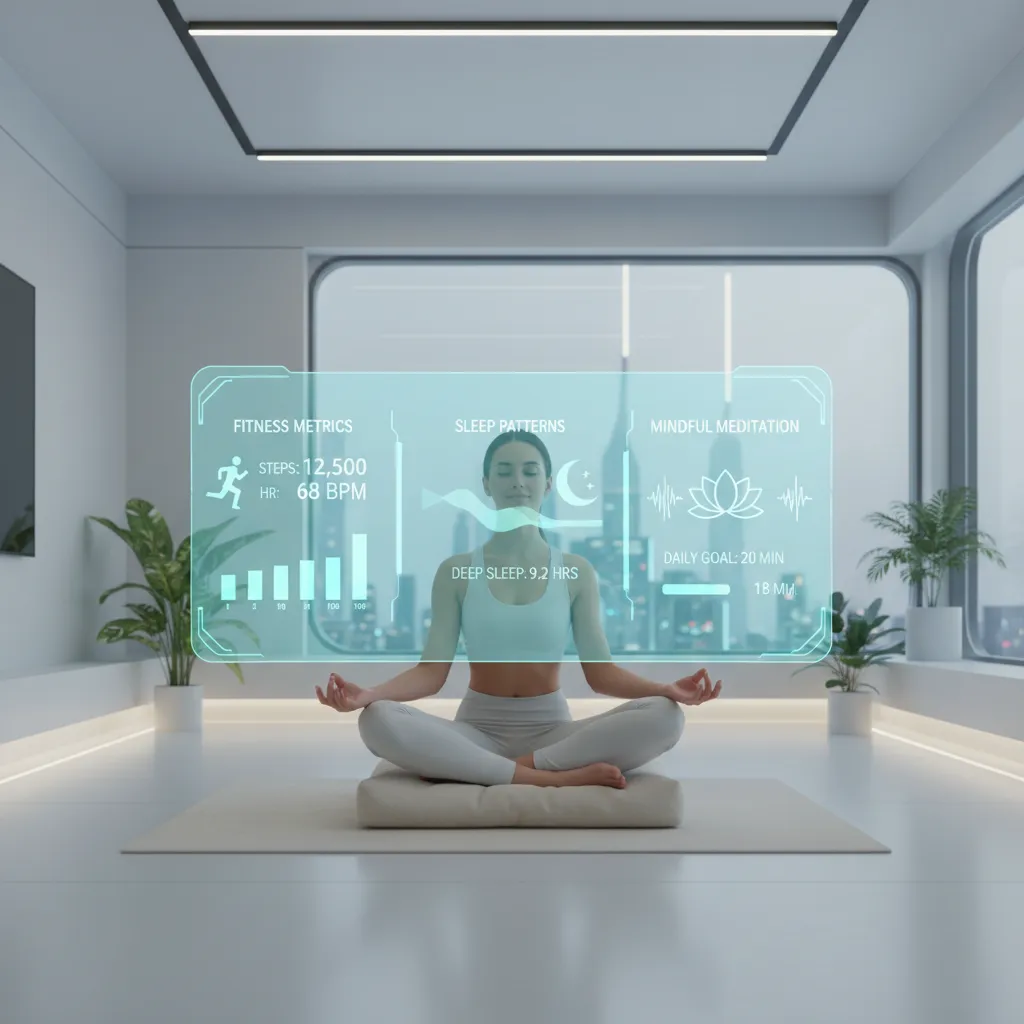
For decades, we’ve been told to eat less, move more, and get eight hours of sleep. This one-size-fits-all advice, while well-intentioned, often fails to account for the one variable that matters most: you. Your unique genetics, lifestyle, and goals create a complex health puzzle that generic plans can’t solve. But what if you had a guide that knew you better than you know yourself? A coach that could analyze your every move, meal, and moment of stress to craft a wellness plan that’s as unique as your fingerprint?
Welcome to the era of AI powered wellness. This is not science fiction; it’s the new reality of health and well-being. Artificial intelligence is transforming our approach to self-care, moving us away from broad recommendations and toward hyper-personalized, data-driven strategies. This smart health guide will explore how AI is becoming the ultimate virtual health assistant, creating custom health programs that optimize everything from your workouts to your mental state.
In this deep dive, you’ll discover how AI driven health is reshaping fitness, nutrition, and mental well-being, learn about the powerful digital wellness tools at your fingertips, and get a glimpse into the future of health tech. Get ready to unlock a new level of personal health optimization, powered by intelligence that adapts and grows with you.
The Dawn of Hyper-Personalization: Why Generic Wellness is Obsolete
The core limitation of traditional wellness has always been its broad-stroke approach. A diet that works wonders for one person might be ineffective for another. A workout routine celebrated by an influencer could lead to injury for someone with a different body type. This is because of bio-individuality—the concept that each person has unique nutritional and fitness needs.
Generic plans can’t account for your:
- Genetic Predispositions: How your body processes certain foods or responds to different types of exercise.
- Metabolic Rate: Your unique energy expenditure at rest.
- Lifestyle Factors: Your stress levels, sleep quality, and daily activity patterns.
- Microbiome Health: The trillions of bacteria in your gut that influence everything from digestion to mood.
AI shatters this one-size-fits-all model. By analyzing massive datasets—both from the general population and from your personal metrics—AI algorithms can identify patterns and correlations that are invisible to the human eye. This is the foundation of holistic AI wellness, an approach that treats you as a complete, interconnected system of body and mind AI.
How AI is Becoming Your Personal Health Coach
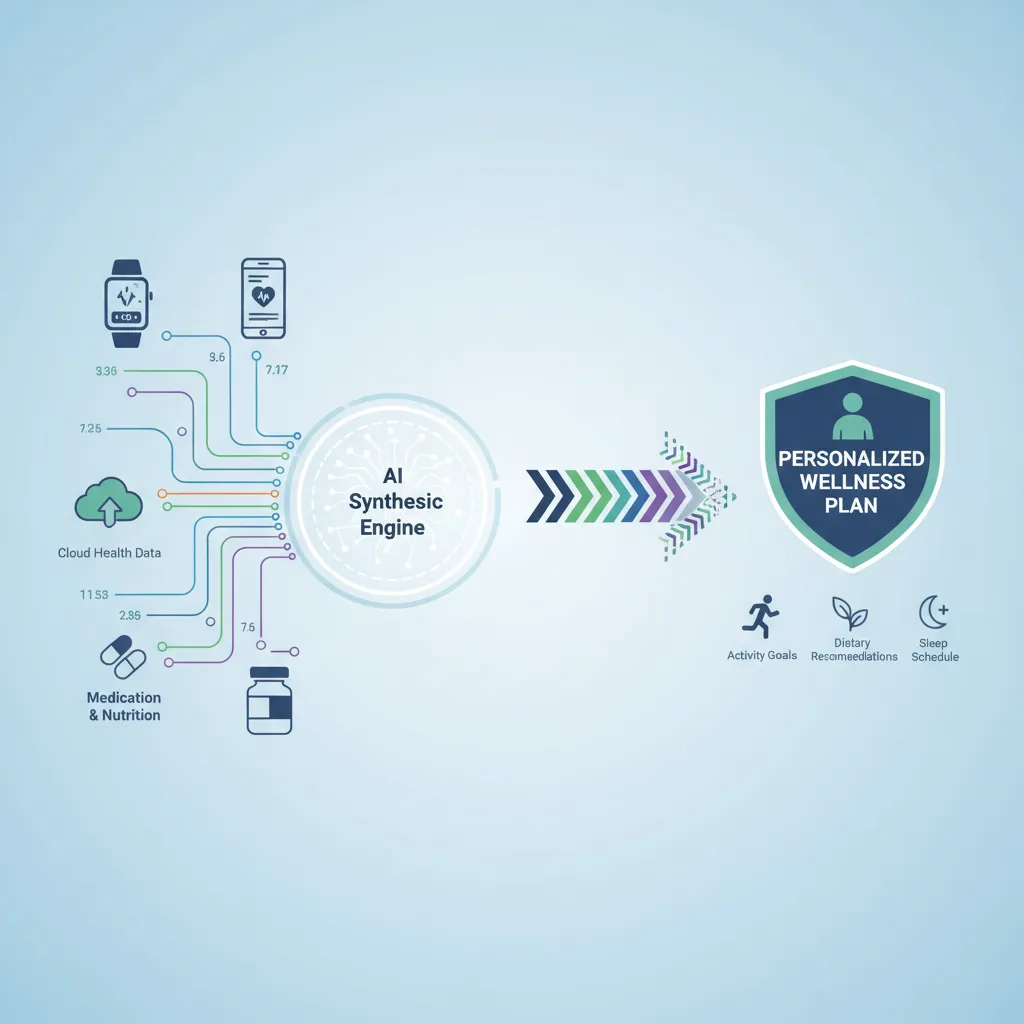
At its heart, an AI health coach acts as a sophisticated data processor and strategist. It follows a continuous loop of collecting information, analyzing it for insights, and providing actionable recommendations to promote AI for well-being.
The Data Fueling Your Digital Twin
This process begins with data—your data. Modern technology has made it easier than ever to gather a constant stream of personal health metrics. The more high-quality data an AI has, the more accurate and personalized its guidance becomes.
Key data sources include:
- Wearable Technology: Smartwatches, fitness bands, and smart rings are frontline soldiers in data collection. These wearable AI health devices track heart rate, heart rate variability (HRV), blood oxygen levels, skin temperature, and activity levels 24/7.
- Sleep Tracking AI: Advanced sensors in wearables or under-mattress pads monitor your sleep stages (light, deep, REM), interruptions, and overall quality, providing crucial insights into your recovery and cognitive function.
- Manual Inputs: Information you provide to apps about your meals, mood, energy levels, and workout performance adds critical context that wearables can’t capture.
- Genetic & Blood Work: Services that analyze your DNA or blood biomarkers can provide the AI with deep-seated biological information, paving the way for true personalized medicine AI.
From Raw Data to Actionable Insights
Collecting data is just the first step. The real magic happens when machine learning algorithms process this information to deliver AI health insights. An AI can notice that your sleep quality drops every time you eat a certain food after 8 PM or that your stress levels (measured by HRV) are consistently high on Tuesday mornings.
This leads to predictive health AI, a powerful tool for prevention. By identifying negative trends early, the system can suggest small AI lifestyle changes before they become chronic problems. It might recommend a 10-minute meditation session before your Tuesday morning meeting or suggest an alternative late-night snack. This proactive approach is a cornerstone of preventative health AI and AI health optimization.
[Related: What is GPT-4o? Next Era AI]
Revolutionizing Fitness: Your AI-Powered Personal Trainer
The gym is one of the first and most visible arenas for the AI wellness revolution. Generic workout apps with static video libraries are being replaced by dynamic platforms that offer truly personalized fitness AI.
Dynamic Workout Plans That Evolve With You
Imagine a personal trainer who watches your every rep, knows your energy levels before you even start, and adjusts your entire workout on the fly. That’s what an AI health coach for fitness does.
Platforms like Freeletics, Future, and Whoop use AI to:
- Assess Your Initial Fitness Level: Through a series of diagnostic exercises.
- Build a Custom Plan: Based on your goals, available equipment, and time constraints.
- Adapt in Real-Time: If the AI detects from your wearable data that you had a poor night’s sleep, it might reduce the intensity of your workout or swap it for an active recovery session. If you’re consistently crushing your goals, it will progressively increase the difficulty. This ensures you’re always challenged but never pushed to the point of injury.
Real-Time Form Correction and Injury Prevention
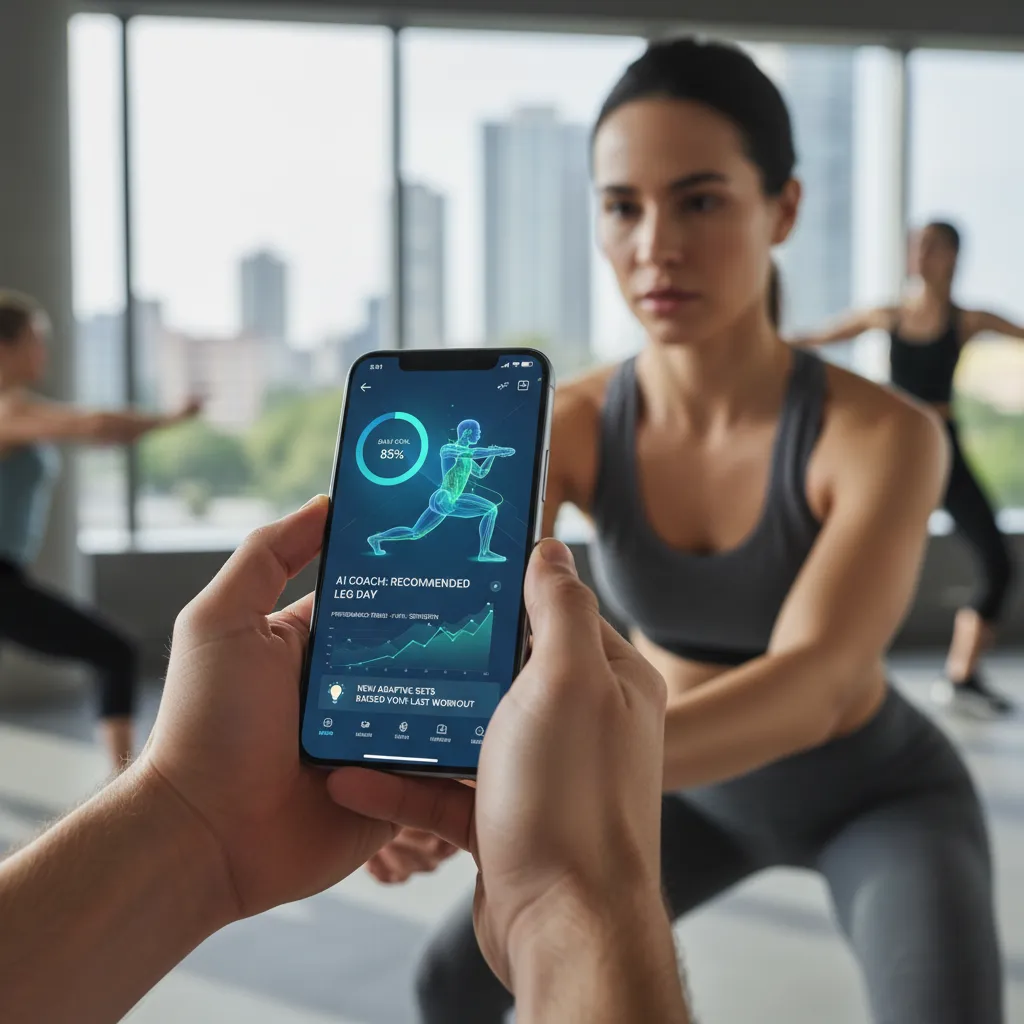
One of the biggest breakthroughs in AI fitness trackers is the use of computer vision. By accessing your smartphone’s camera, apps can analyze your movements during an exercise and provide immediate feedback on your form.
This technology can tell you if your back isn’t straight during a squat or if your knees are caving in, offering corrections just like a human trainer would. This not only maximizes the effectiveness of each exercise but also plays a huge role in injury prevention, a key aspect of AI for healthy habits.
[Related: AI at the Games: Tech Revolutionizing Paris 2024]
The Future of Food: Crafting Your AI Nutrition Plan
Nutrition is arguably the most complex and personalized aspect of wellness. An effective AI nutrition plan goes far beyond simple calorie counting to become a truly intelligent dietary guide.
Beyond Calorie Counting: AI’s Holistic Approach to Diet
AI-powered nutrition apps like Zoe or Lifesum analyze your unique biology to offer food recommendations. They consider:
- Blood Sugar Response: By using continuous glucose monitors (CGMs), AI can determine how your body responds to specific foods and combinations, helping you avoid energy spikes and crashes.
- Gut Microbiome Health: After analyzing a sample, the AI can recommend foods that will nourish beneficial gut bacteria, improving digestion, immunity, and even mood.
- Macronutrient and Micronutrient Needs: Based on your activity levels, goals, and blood work, the AI crafts meal plans that ensure you’re not just hitting calorie targets but are also properly nourished.
The AI can generate personalized recipes, create a shopping list, and even adapt its recommendations based on what’s available at your local grocery store.
Smart Kitchens and Connected Appliances
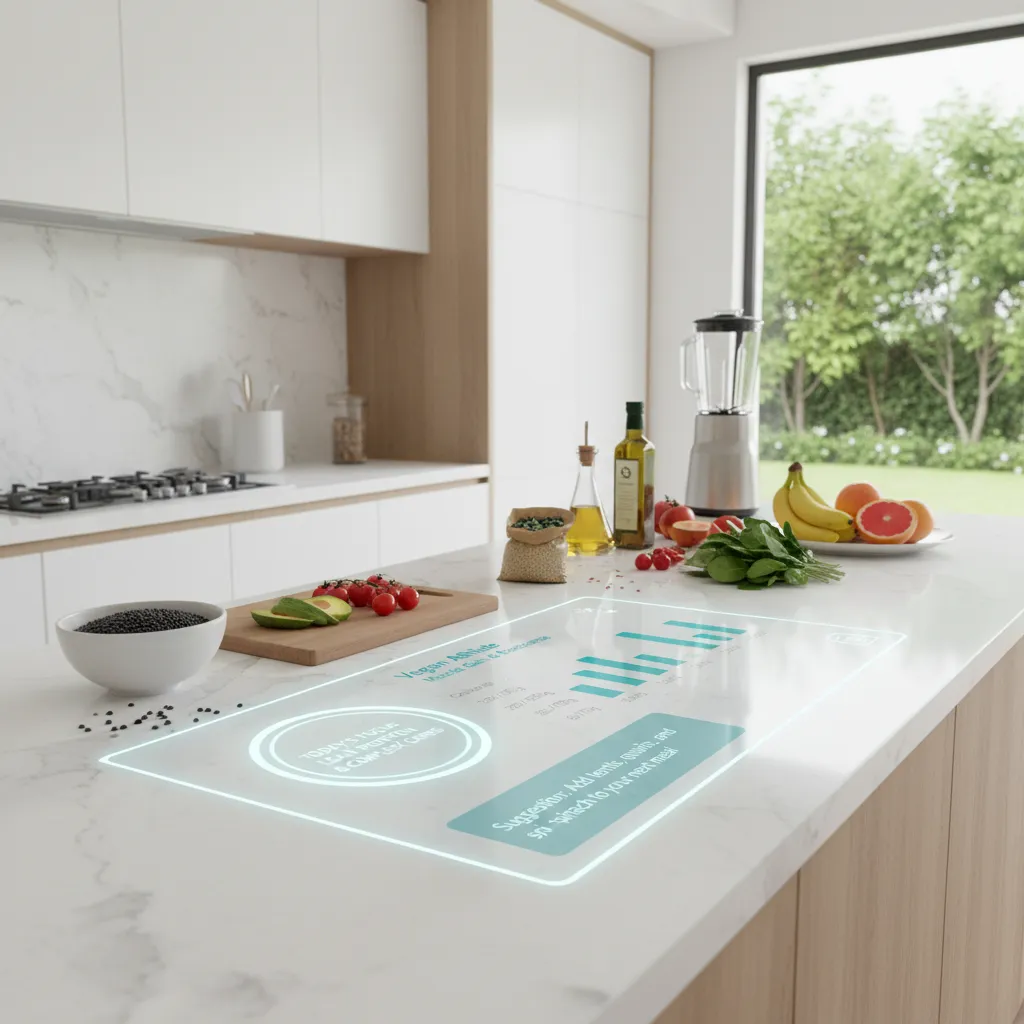
The future of health tech sees this intelligence integrated directly into our homes. Imagine a smart refrigerator that knows you’re low on protein and adds salmon to your shopping list. Or a smart oven that recognizes the food you’ve placed inside and suggests the healthiest cooking method based on your current wellness goals. This connected ecosystem will make healthy eating seamless and intuitive.
[Related: AI-Powered Urban Farming: Grow Smarter, Live Greener]
Nurturing the Mind: AI’s Role in Mental Well-being
Perhaps the most profound impact of AI wellness is in the realm of mental health. As stigma decreases and the need for accessible support grows, mental well-being AI is stepping in to fill a critical gap. These AI therapeutic tools offer immediate, private, and personalized support.
Your Pocket Therapist: The Rise of AI Mental Health Apps
AI mental health apps like Wysa, Woebot, and Headspace are providing millions with tools for emotional regulation and self-care. They function in several ways:
- AI Chatbots: These bots use principles of Cognitive Behavioral Therapy (CBT) to help users reframe negative thoughts, work through anxieties, and build coping mechanisms through conversation.
- Guided Meditations: AI can personalize your meditation practice, suggesting specific sessions based on your current mood or stress level as detected by your wearable device.
- Journaling and Mood Tracking: AI can analyze your journal entries for recurring emotional themes or triggers, helping you gain self-awareness and understand your mental patterns.

AI-Driven Stress Management and Mood Tracking
AI stress management is becoming increasingly sophisticated. Your wearable can detect the physiological signs of stress (like a spike in heart rate and a drop in HRV). When this happens, your virtual health assistant might send a notification to your phone or watch, suggesting a two-minute breathing exercise or a short walk. This real-time intervention can stop a stress cycle before it spirals, teaching you to manage your responses more effectively over time. This synergy is where the promise of body and mind AI truly shines.
[Related: Apple Intelligence: iOS 18 AI Features Revealed at WWDC]
The Bigger Picture: From Symptom Checking to Preventative Health
While daily optimization is powerful, AI’s potential extends much further, touching upon diagnostics and long-term health forecasting.
AI Symptom Checkers: A Smarter First Step
We’ve all turned to search engines to diagnose a mysterious ache or pain, often with terrifying results. An AI symptom checker offers a more structured and reliable initial step. By asking a series of intelligent, branching questions, tools like Ada Health or K Health can analyze your symptoms against a massive database of medical cases to suggest potential causes and recommend the appropriate level of care, whether it’s resting at home or seeing a specialist. While they never replace a doctor, they are a vast improvement over blind searching.
Predictive Health and Longevity
This is the cutting edge of AI driven health. By analyzing years of your health data, AI algorithms can identify subtle trends that may predict the future risk of chronic diseases like diabetes or heart disease. This field, known as predictive health AI, is a game-changer for preventative medicine.
Futuristic concepts like biohacking AI and longevity tech AI aim to use this predictive power not just to prevent disease, but to actively optimize for a longer, healthier lifespan. AI may one day recommend highly specific supplements, lifestyle tweaks, or medical interventions designed to slow the aging process at a cellular level, representing the pinnacle of personalized medicine AI.
Navigating the New Frontier: Challenges and Ethical Considerations
The promise of AI-powered wellness is immense, but it’s crucial to approach this new technology with awareness and a healthy dose of caution.
Data Privacy: Who Owns Your Health Information?
Your health data is the most personal information you have. Entrusting it to a company requires a high degree of confidence in their security measures and ethical standards. It’s essential to choose services with transparent privacy policies and a commitment to data encryption and user control.
The Risk of Over-Reliance and Algorithmic Bias
AI wellness tools are powerful aids, but they are not infallible and should not replace the advice of qualified medical professionals. Furthermore, if AI algorithms are trained on data that isn’t diverse, they may provide less accurate recommendations for underrepresented groups. Ensuring fairness and accuracy in these systems is a critical ongoing challenge for the industry.
Conclusion
We are standing at the threshold of a new era in personal health. The generic, one-size-fits-all approach is fading, replaced by a dynamic, intelligent, and deeply personal model of care. AI personalized wellness is no longer a futuristic dream; it’s a practical and powerful reality accessible through the devices we use every day.
From a personalized fitness AI that adapts your workout in real-time to an AI nutrition plan that understands your unique metabolism and a mental well-being AI that offers support whenever you need it, these tools empower us to take unprecedented control over our health. By embracing this smart health guide, you can move beyond guessing and start making data-driven decisions that foster genuine, holistic well-being.
The journey to AI health optimization is just beginning. By using these tools wisely—as a partner to, not a replacement for, professional medical advice—you can unlock your body’s full potential and build a healthier, more resilient future, one personalized insight at a time.
FAQs
Q1. What is AI-powered wellness?
AI-powered wellness is the use of artificial intelligence and machine learning to create highly personalized health, fitness, and nutrition plans. It analyzes individual data from sources like wearables, apps, and health records to provide custom recommendations, moving beyond generic advice to offer tailored strategies for an individual’s unique body and lifestyle.
Q2. How does an AI health coach work?
An AI health coach works by collecting your personal health data (like activity levels, sleep patterns, and heart rate from a wearable), analyzing it for patterns and insights, and then providing actionable feedback and recommendations. It acts as a 24/7 virtual assistant that helps you make healthier choices, track progress, and adjust your wellness plan as your needs change.
Q3. Can AI create a personalized diet plan?
Yes, AI can create a highly personalized diet plan. Advanced AI nutrition platforms can analyze your goals, dietary preferences, allergies, and even biological data from blood tests or glucose monitors. Based on this, the AI generates meal plans, recipes, and shopping lists designed to optimize your unique metabolism and health objectives.
Q4. What are the best AI fitness apps?
The “best” AI fitness app depends on your specific goals. Some leading examples include Future, which pairs you with a human coach supported by AI; Freeletics, which uses AI for dynamic bodyweight training plans; and Whoop, which uses AI to analyze your recovery data and recommend daily strain levels. These apps excel at creating adaptive workouts that evolve with your progress.
Q5. Is it safe to use AI for mental health?
Using AI for mental health can be a safe and effective first step for support, especially for managing stress and anxiety. Apps like Wysa and Woebot use therapeutic techniques like CBT in a private, accessible format. However, they are not a substitute for human therapists, particularly for serious mental health conditions. They should be seen as a supplementary tool in your mental wellness toolkit.
Q6. What is the difference between AI wellness and telemedicine?
AI wellness focuses on proactive, day-to-day health optimization, habits, and prevention using data-driven insights (e.g., fitness and nutrition plans). Telemedicine is reactive and involves using technology to connect patients with licensed medical professionals for remote diagnosis, treatment, and prescriptions for existing health issues.
Q7. How do AI sleep trackers work?
AI sleep trackers, typically found in wearables like Oura rings or smartwatches, use sensors like accelerometers and heart rate monitors to track your movement, heart rate, and body temperature during the night. AI algorithms analyze this data to identify different sleep stages (light, deep, REM), calculate your sleep duration and quality, and provide insights on how to improve your sleep hygiene.