AI & Personalized Medicine: Revolutionizing Your Health Future
Introduction
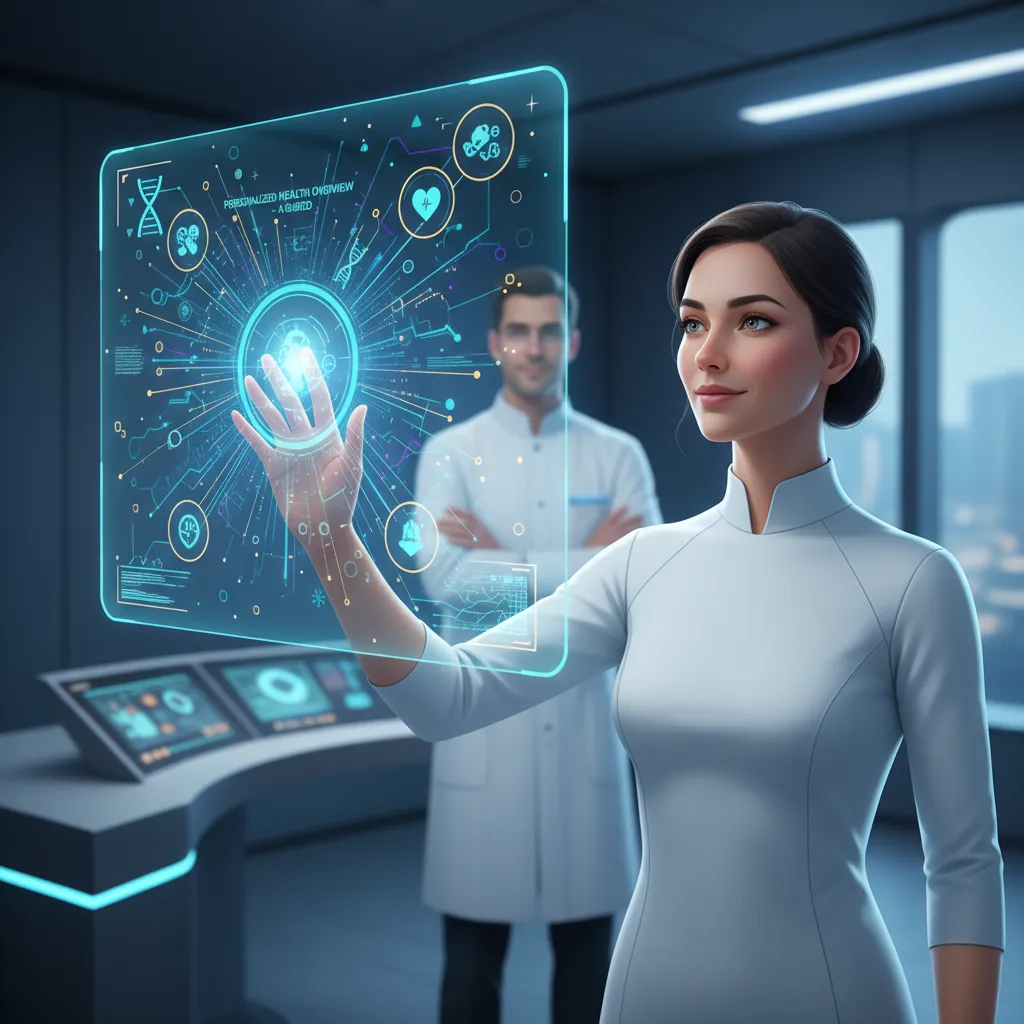
For centuries, medicine has largely operated on a “one-size-fits-all” model. A diagnosis led to a standard treatment protocol, a proven path that works for many, but not for all. We’ve all experienced it: a medication that works wonders for a friend has little effect on you. But what if healthcare could be tailored as precisely as a bespoke suit, designed exclusively for your unique biological makeup, lifestyle, and environment? This is the promise of personalized medicine, and Artificial Intelligence (AI) is the master tailor making it a reality.
The convergence of AI in healthcare and genomics is not just an incremental improvement; it’s a paradigm shift. We’re moving away from treating diseases and toward treating individuals. This evolution is supercharged by machine learning in medicine, which can decipher complex patterns in our health data that are invisible to the human eye.
In this deep dive, we’ll explore how the synergy of AI and personalized medicine is revolutionizing everything from diagnostics and treatment to disease prevention. You’ll learn how these health tech innovations are creating a more proactive, predictive, and participatory future for your health, marking one of the most significant AI healthcare trends of our time.
The Dawn of a New Era: What is Personalized Medicine?
At its core, personalized medicine—also known as precision medicine—is a healthcare approach that customizes medical decisions, practices, interventions, and treatments to the individual patient. Instead of a standardized treatment for “cancer,” it’s a specific treatment for your cancer, based on your tumor’s unique genetic profile.
This approach considers a trifecta of crucial data:
- Genomics: Your unique genetic blueprint.
- Environment: Factors like diet, pollution exposure, and location.
- Lifestyle: Your habits, from exercise to stress levels.
For decades, the sheer volume and complexity of this data made true personalization a distant dream, accessible only in research settings. The human brain simply can’t process trillions of data points to find meaningful correlations. This is where AI, specifically deep learning healthcare algorithms, steps in. AI can analyze vast datasets from electronic health records (EHRs), genomic sequencing, and wearable devices to build a comprehensive, high-definition picture of an individual’s health.
AI’s Superpower: From Ultra-Early Diagnosis to Startling Prediction
One of the most impactful applications of AI is its ability to see what we can’t. By identifying subtle patterns in medical data, AI is transforming diagnosis from a reactive process to a proactive, and even predictive, science.
Revolutionizing Diagnostics with AI Medical Imaging
Medical imaging is a cornerstone of modern diagnosis, but interpretation can be subjective and prone to human error. AI medical imaging is changing the game. Deep learning models, trained on millions of scans, can detect signs of disease with astonishing accuracy—often years before a human radiologist might spot them.
- Oncology: AI algorithms can identify malignant tumors in mammograms, CT scans, and MRIs with greater precision, reducing false positives and catching cancer at its most treatable stage.
- Ophthalmology: AI can screen for diabetic retinopathy, a leading cause of blindness, by analyzing retinal images—a task that can be performed quickly and at scale, even in remote areas.
- Neurology: In brain scans, AI helps detect early signs of Alzheimer’s disease or the subtle damage from a stroke, enabling faster intervention.
This is a prime example of AI diagnostics augmenting the skills of clinicians, providing them with a powerful co-pilot to improve patient outcomes. Related: AI Medical Marvel: Early Disease Detection & Personalized Treatment
The Power of Predictive Health AI
What if you could stop a disease before it even starts? Predictive health AI is making this a tangible reality. By analyzing a patient’s entire health history, genetic predispositions, and real-time biometric data, AI models can calculate an individual’s risk for developing chronic conditions.
For instance, an AI system can monitor a patient’s EHR and flag them as high-risk for developing Type 2 diabetes based on subtle changes in their lab results, lifestyle data from a fitness tracker, and family history. This allows healthcare providers to intervene with personalized health insights and preventative strategies, such as tailored diet and exercise plans, long before the disease manifests. This shift towards AI and disease prevention is fundamental to creating a more sustainable and effective healthcare system.
Crafting Cures: AI-Driven Drug Discovery and Treatment
The journey of a new drug from lab to pharmacy is notoriously long and expensive, often taking over a decade and costing billions. AI is dramatically accelerating this pipeline, leading to more effective and personalized therapies.
Accelerating AI Drug Discovery
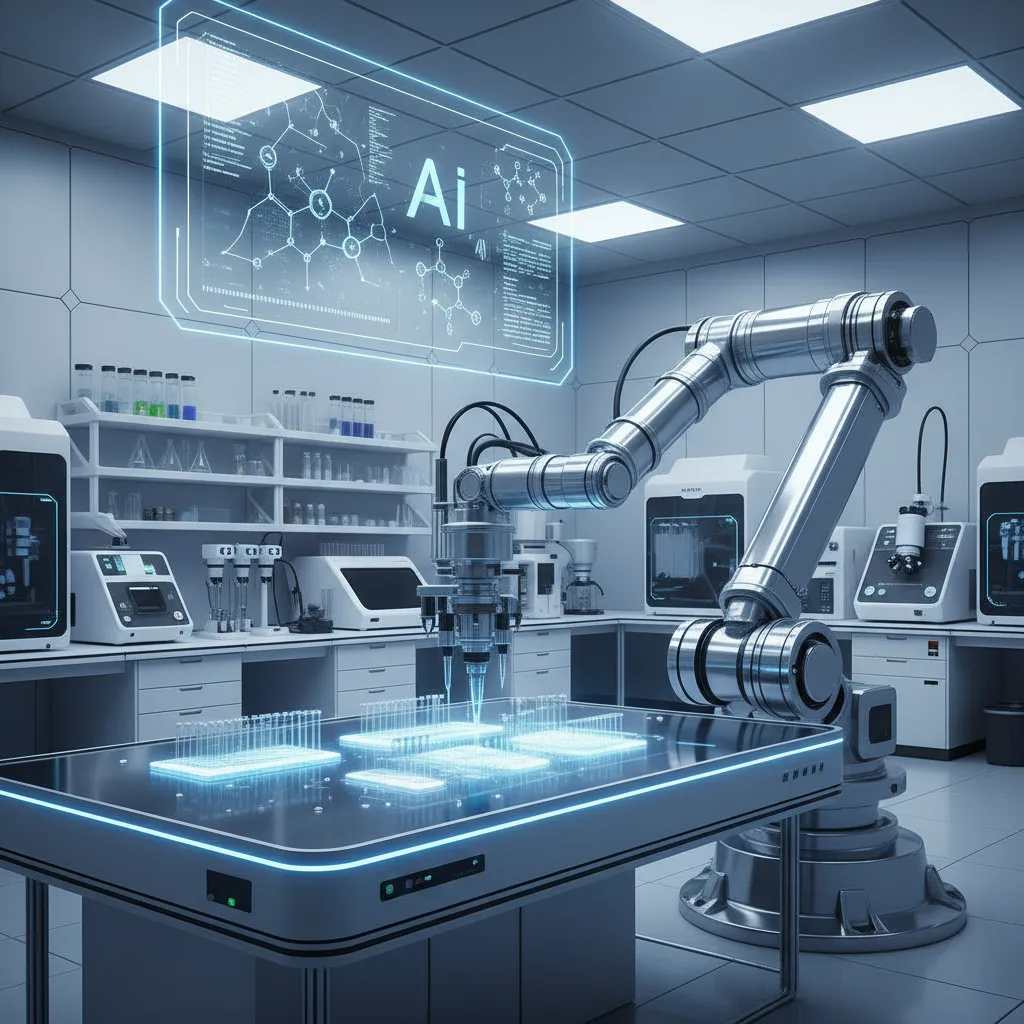
The traditional drug discovery process relies on trial and error. AI drug discovery flips this script by using predictive models to design and test new molecules in a virtual environment.
Here’s how revolutionizing healthcare with AI works in this space:
- Target Identification: AI analyzes vast biological and genetic datasets to pinpoint proteins or genes that are key drivers of a disease.
- Molecule Generation: Generative AI models can design novel drug compounds from scratch that are specifically engineered to interact with the identified target.
- Predicting Efficacy: AI simulates how these new compounds will behave in the human body, predicting their effectiveness and potential side effects before a single physical experiment is conducted.
This process drastically reduces the time and cost of R&D, and it’s a core component of modern AI medical research. It also improves the success rate of AI clinical trials by helping researchers select patient populations most likely to benefit from a new therapy.
AI-Powered Treatment Plans
Once a diagnosis is made, the next step is treatment. AI powered treatment platforms act as sophisticated decision-support systems for doctors, helping them craft hyper-personalized therapeutic strategies.
Nowhere is this more evident than in oncology. Cancer is not one disease; it’s thousands of unique diseases at the molecular level.
- Genomic Medicine AI: AI platforms can sequence a patient’s tumor genome and analyze its specific mutations.
- Personalized Recommendations: Based on this genomic profile, the AI cross-references the data with vast databases of clinical trials, existing drugs, and research papers to recommend the most effective treatment—be it a specific chemotherapy agent, targeted therapy, or immunotherapy.
This level of precision medicine technology ensures that patients receive therapies with the highest probability of success, sparing them the grueling side effects of ineffective treatments.
The Connected Patient: Real-Time Monitoring and Wellness
The future of healthcare isn’t confined to the hospital walls. Digital health AI is extending care into our daily lives, creating a continuous feedback loop between patients and providers.
Smart Hospitals and AI Patient Care
Within medical facilities, Smart hospitals AI is optimizing everything. AI systems manage patient flow, predict staffing needs, and even monitor hospitalized patients for early signs of deterioration, like sepsis. This enhances AI patient care by allowing clinical staff to focus their attention where it’s needed most, preventing emergencies before they occur.
The Rise of Remote Patient Monitoring AI

For individuals living with chronic conditions like heart failure, COPD, or diabetes, constant oversight is crucial. Remote patient monitoring AI makes this possible without constant hospital visits.
Wearable sensors (like smartwatches and continuous glucose monitors) and at-home devices collect a continuous stream of biometric data. This data is fed into an AI platform that provides real-time health monitoring AI. If the system detects a worrying trend—like a sudden spike in blood pressure or erratic heart rhythm—it can alert both the patient and their care team, enabling a swift and proactive intervention. This is a game-changer for chronic disease management AI.
From Treatment to Prevention: AI-Driven Wellness
Beyond managing disease, AI is empowering us to take control of our well-being. A new generation of AI driven wellness apps provide personalized coaching for nutrition, exercise, sleep, and mental health. These platforms adapt their recommendations based on your personal data, helping you build healthier habits. This concept of using technology for personalized guidance extends to other areas of life as well. Related: AI-Powered Personalized Financial Planning for Everyone
Navigating the New Frontier: Ethical and Practical Challenges
As with any powerful technology, the rise of AI in medicine comes with significant responsibilities. The successful integration of these AI healthcare solutions depends on navigating complex ethical and practical hurdles.
The Question of AI Ethical Healthcare
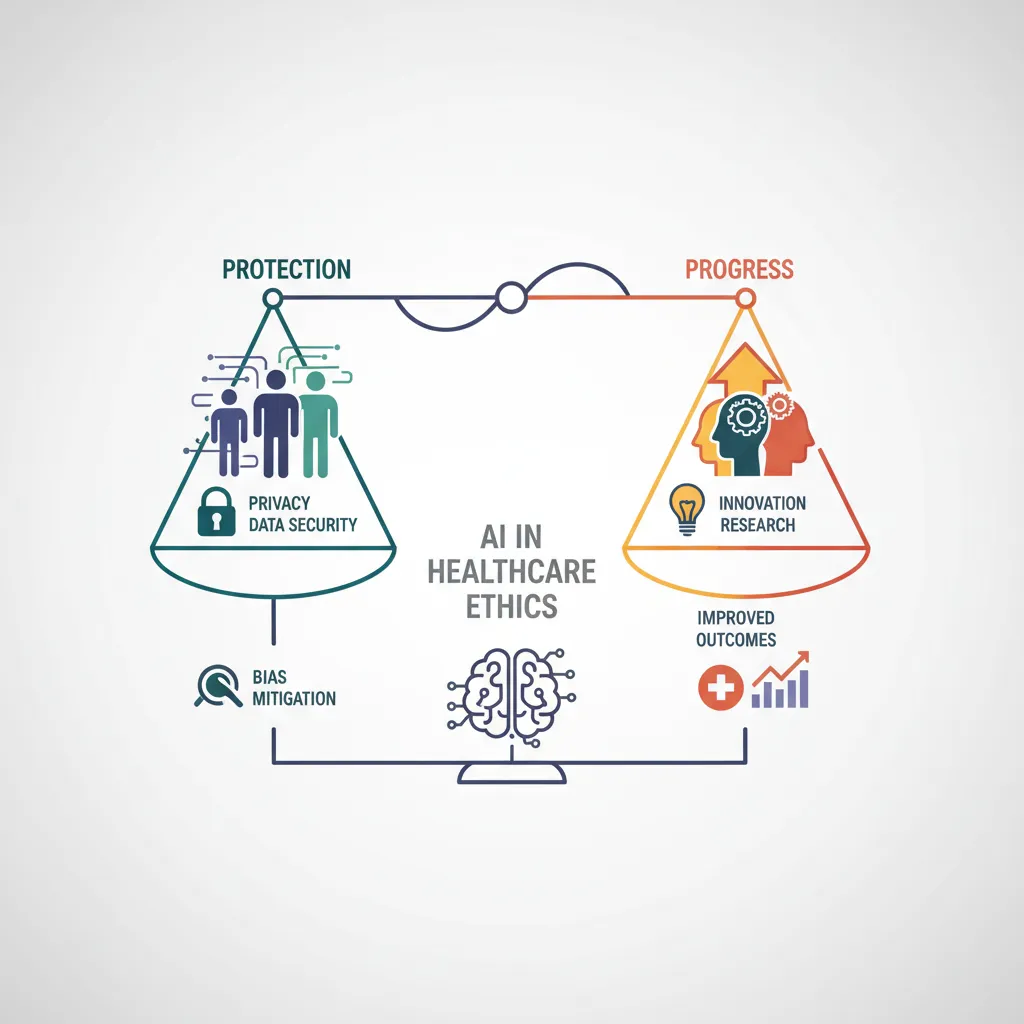
Building trust in medical AI requires a strong commitment to ethics. Key areas of concern include:
- Data Privacy: Medical data is incredibly sensitive. Robust security and transparent privacy policies are non-negotiable to protect patient information.
- Algorithmic Bias: If an AI model is trained on data from one demographic, it may be less accurate for others, potentially worsening existing health disparities. Ensuring datasets are diverse and representative is critical.
- Transparency (The “Black Box” Problem): Some complex deep learning models are “black boxes,” meaning even their creators don’t fully understand their reasoning. For high-stakes medical decisions, we need AI systems that are explainable and transparent.
- Accountability: If an AI system makes a mistake, who is responsible? The developer? The hospital? The doctor who used the tool? Clear regulatory frameworks are needed to address liability.
Addressing AI ethical healthcare is not a barrier to innovation but a prerequisite for its sustainable and equitable adoption.
The Human Element: Will AI Replace Doctors?
This is a common fear, but the consensus among experts is a firm “no.” The goal is not to replace clinicians but to augment them. AI is a tool that can handle the massive data processing and pattern recognition tasks, freeing up doctors to do what they do best: apply clinical judgment, communicate with empathy, and build trusting relationships with their patients. The future of medicine AI is one of collaboration—a partnership between human expertise and machine intelligence.
The Road Ahead: The Future of Personalized Health
We are standing at the beginning of a healthcare revolution. The integration of AI is accelerating, and the future of personalized health looks incredibly promising. We can anticipate a future where:
- Digital Twins: Everyone will have a dynamic, virtual model of their body that simulates how they might respond to different drugs, lifestyle changes, or diseases.
- Continuous Health Monitoring: Health will be monitored not just during annual check-ups but continuously and non-invasively through smart devices, creating a constant stream of data for preventative care.
- Proactive Interventions: Healthcare will shift definitively from a reactive, disease-treating model to a proactive, wellness-preserving one.
These AI medical breakthroughs promise a future where healthcare is more effective, accessible, and, most importantly, personalized to you.
Conclusion
The fusion of artificial intelligence and personalized medicine is no longer science fiction; it’s a rapidly unfolding reality that is revolutionizing healthcare with AI. From uncovering diseases years before they surface to designing bespoke treatments based on our unique genetic code, AI is a powerful force for a healthier future.
While significant ethical and logistical challenges remain, the momentum is undeniable. By embracing health tech innovation responsibly, we are paving the way for a new era of medicine—one that is predictive, personalized, and profoundly human. The future of personalized health is not just about longer lifespans, but about higher quality of life, empowered by AI healthcare solutions that see and treat us as the unique individuals we are.
Frequently Asked Questions (FAQs)
Q1. How is AI used in personalized medicine?
AI is used in personalized medicine to analyze massive datasets, including a patient’s genetics, lifestyle, and environment. This analysis helps in tailoring diagnostics, creating AI-powered treatment plans, accelerating AI drug discovery, and offering personalized health insights for disease prevention.
Q2. What is an example of AI in healthcare?
A powerful example is in medical imaging. Deep learning AI can analyze a chest X-ray or mammogram and detect signs of cancer with superhuman accuracy, often at a much earlier stage than a human radiologist might, leading to better patient outcomes.
Q3. What is the main goal of personalized medicine?
The main goal of personalized medicine is to move away from a “one-size-fits-all” approach. It aims to provide the right treatment to the right patient at the right time by making medical decisions based on their unique genetic, environmental, and lifestyle profile.
Q4. What are the ethical concerns of using AI in medicine?
The primary ethical concerns for AI ethical healthcare include protecting sensitive patient data privacy, preventing algorithmic bias that could lead to health disparities among different populations, ensuring transparency in AI decision-making (the “black box” problem), and establishing clear lines of accountability when errors occur.
Q5. How does AI accelerate drug discovery?
AI accelerates drug discovery by rapidly analyzing biological data to identify promising drug targets, using generative models to design new drug molecules virtually, and simulating their effectiveness and potential side effects. This dramatically reduces the time and cost compared to traditional trial-and-error lab methods.
Q6. Can AI predict future health problems?
Yes, predictive health AI is one of the most exciting frontiers. By analyzing data from electronic health records, genomic information, and real-time data from wearables, AI models can identify individuals at high risk for developing diseases like diabetes, heart failure, or certain cancers, allowing for timely and effective preventative interventions.