AI & Your Health: The Future of Personalized Wellness
Introduction
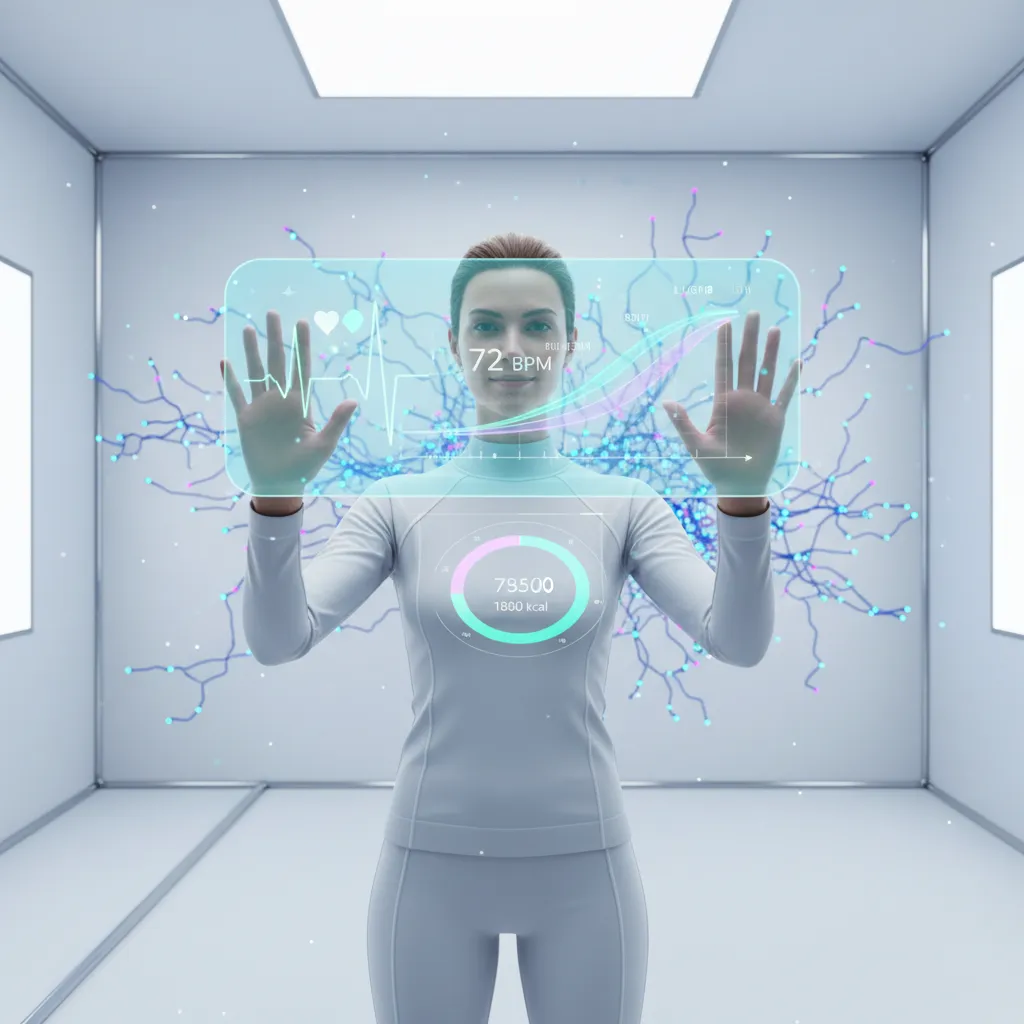
Imagine a world where your health plan isn’t a generic recommendation but a dynamic, ever-evolving strategy tailored precisely to your unique biology, lifestyle, and goals. This isn’t science fiction; it’s the rapidly unfolding reality of AI personalized health. We stand at the precipice of a medical and wellness revolution, where artificial intelligence is moving beyond the realm of complex computations to become an intimate partner in our personal well-being journeys.
For decades, healthcare has largely operated on a “one-size-fits-all” model, often reacting to illness rather than proactively preventing it. But the advent of powerful AI health technology is fundamentally shifting this paradigm. From wearable tech that monitors your sleep patterns to sophisticated algorithms that craft your ideal nutrition plan, AI is ushering in an era of unprecedented personalization. This article will explore how AI wellness apps, AI health coaching, and cutting-edge Predictive health AI are not just buzzwords, but practical tools transforming how we manage our physical, mental, and emotional health. Prepare to discover how the future of wellness is not just intelligent, but profoundly personal.
The Dawn of Personalized Health AI: Beyond One-Size-Fits-All
The human body is an incredibly complex system, unique in every individual. Traditional medicine, while life-saving, often struggles with this inherent variability. A treatment or wellness strategy that works for one person might be ineffective or even harmful for another. This is where Personalized medicine AI steps in, promising a bespoke approach to health that leverages vast datasets and advanced analytics to understand you, specifically.
At its core, AI personalized health is about moving beyond population-level averages to focus on the individual. It’s about recognizing that your genetic makeup, your daily habits, your environment, and even your microbiome all play a critical role in your health outcomes. AI excels at processing and finding patterns within this overwhelming complexity, delivering AI health insights that were previously impossible to glean. This is the foundation of Digital health AI, a broad field that encompasses everything from smart diagnostics to preventative care platforms.
Understanding Your Unique Biological Blueprint
To truly personalize health, AI needs data – and lots of it. This data comes from various sources, painting a comprehensive picture of your health. Consider:
- Genomic Data: Your DNA holds the blueprint for your body’s functions. AI can analyze genetic variations to predict predispositions to certain conditions, how you might respond to specific medications, or even your optimal dietary needs.
- Physiological Data: This stream comes from Wearable tech AI health devices, such as smartwatches and fitness trackers. They continuously monitor heart rate, blood oxygen, activity levels, sleep quality, and even stress indicators.
- Lifestyle Data: Information about your diet, exercise routines, stress levels, social interactions, and environmental exposures (e.g., air quality) can be fed into AI models.
- Clinical Data: Your medical history, lab results, prescriptions, and doctor’s notes provide essential context for AI algorithms.
By integrating and cross-referencing these diverse data points, AI health data analysis can construct a dynamic digital twin of your health. This allows for incredibly precise Predictive health AI, enabling earlier detection of potential issues and more effective preventive strategies. It’s about moving from treating symptoms to anticipating and mitigating risks before they manifest as full-blown health problems.
AI-Powered Tools Transforming Daily Wellness
The most exciting aspect of AI in health is its ability to seamlessly integrate into our daily lives, transforming routine activities into opportunities for personalized wellness. These aren’t just futuristic concepts; many of these tools are already accessible, making intelligent health management a reality for millions.
Revolutionizing Fitness: Smart Workouts & AI Fitness Trackers
Gone are the days of generic workout plans. AI is revolutionizing how we approach physical activity, making fitness more effective and enjoyable. AI fitness trackers and smart wearables constantly collect data on your performance, heart rate, calories burned, and recovery. This data is then fed into AI algorithms that can:
- Tailor Exercise Routines: Based on your current fitness level, goals (e.g., weight loss, muscle gain, endurance), and even how well you recovered from your last workout, AI can dynamically adjust your exercise routines. If you’re fatigued, it might recommend an active recovery day; if you’re hitting new personal bests, it could push you a little harder.
- Provide Real-time Feedback: During a workout, AI can analyze your form through motion sensors or even camera input, offering real-time corrections to prevent injury and maximize effectiveness.
- Optimize Recovery: Beyond workouts, AI monitors your sleep and stress, providing recommendations for rest and recovery, which are crucial for consistent progress.
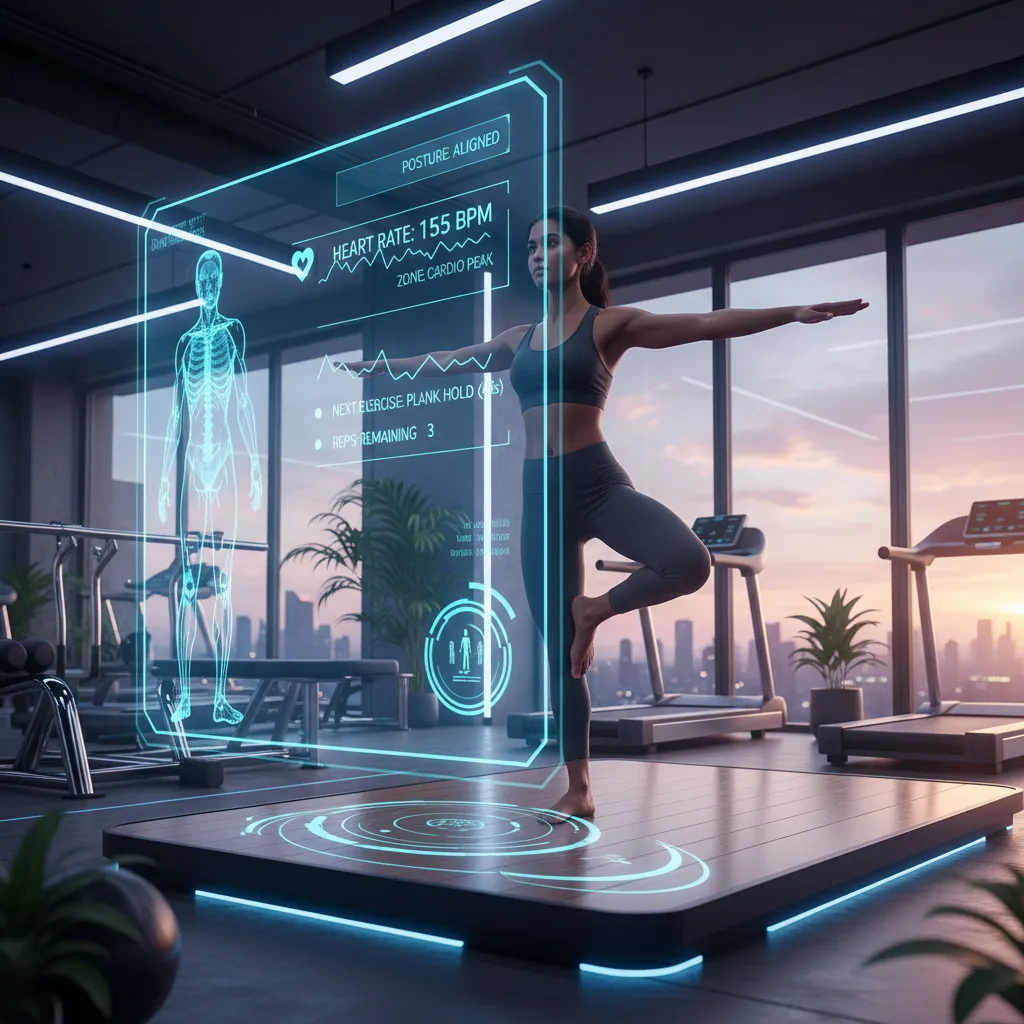
Consider apps that connect to your smartwatch, providing AI exercise routines that adapt as you improve. They might suggest a different set of exercises if your previous ones led to specific muscle fatigue, helping you achieve your AI health goals more efficiently. This direct feedback loop makes your Wearable tech AI health devices powerful allies in your fitness journey. [Related: Wearable Tech: Revolutionizing Health & Fitness]
Intelligent Nutrition: AI Diet Plans & Personalized Eating
What you eat is arguably one of the most significant factors influencing your health. Yet, navigating the world of nutrition can be incredibly complex. AI nutrition plans are simplifying this, offering highly personalized dietary advice that considers far more than just calorie counts.
AI can analyze:
- Your unique microbiome: Gut bacteria play a crucial role in digestion, immunity, and even mood. AI can suggest foods that support a healthy gut flora based on emerging research.
- Metabolic responses: How your body processes different macronutrients can vary. AI can help identify which foods optimize your energy levels and blood sugar.
- Allergies, intolerances, and preferences: Ensuring your diet is not only healthy but also safe and enjoyable.
- Lifestyle and activity levels: Matching your caloric and nutritional intake to your daily energy expenditure.
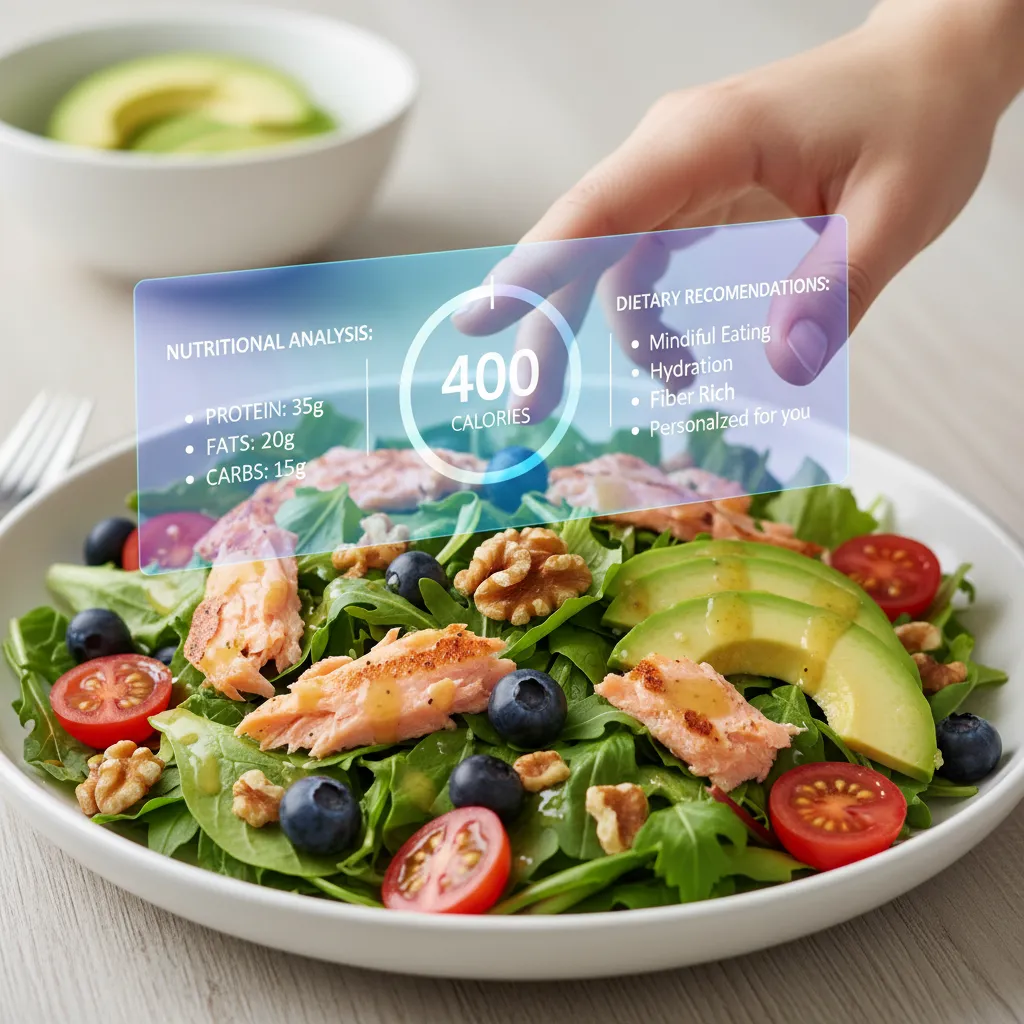
Imagine an AI diet plan that integrates with your grocery shopping list, suggests recipes based on your available ingredients, and even monitors your intake through photo recognition, providing instant feedback on your nutritional balance. This intelligent approach moves beyond fad diets, focusing on sustainable, individualized eating habits for long-term health.
Elevating Mental & Emotional Well-being with AI
Physical health is only one piece of the wellness puzzle; mental and emotional well-being are equally vital. AI is making significant strides in offering accessible and personalized support in this often-overlooked area.
- AI Mental Health Support Apps: These applications use natural language processing (NLP) to understand user input, offering guided meditations, cognitive behavioral therapy (CBT) exercises, and journaling prompts. Some can even detect subtle shifts in tone or language patterns that might indicate rising stress or anxiety levels.
- AI Sleep Tracking: Wearable devices equipped with AI analyze sleep cycles, duration, and disturbances. They can provide personalized recommendations for improving sleep hygiene, from optimal bedtime routines to environmental adjustments. This proactive AI sleep tracking can be a game-changer for individuals struggling with insomnia or poor sleep quality.
- AI Stress Management: By monitoring heart rate variability, skin conductance, and activity patterns, AI can identify periods of elevated stress. It can then prompt users to engage in mindfulness exercises, deep breathing, or suggest taking a break, helping to mitigate the physiological impact of chronic stress. This contributes significantly to overall AI emotional well-being.
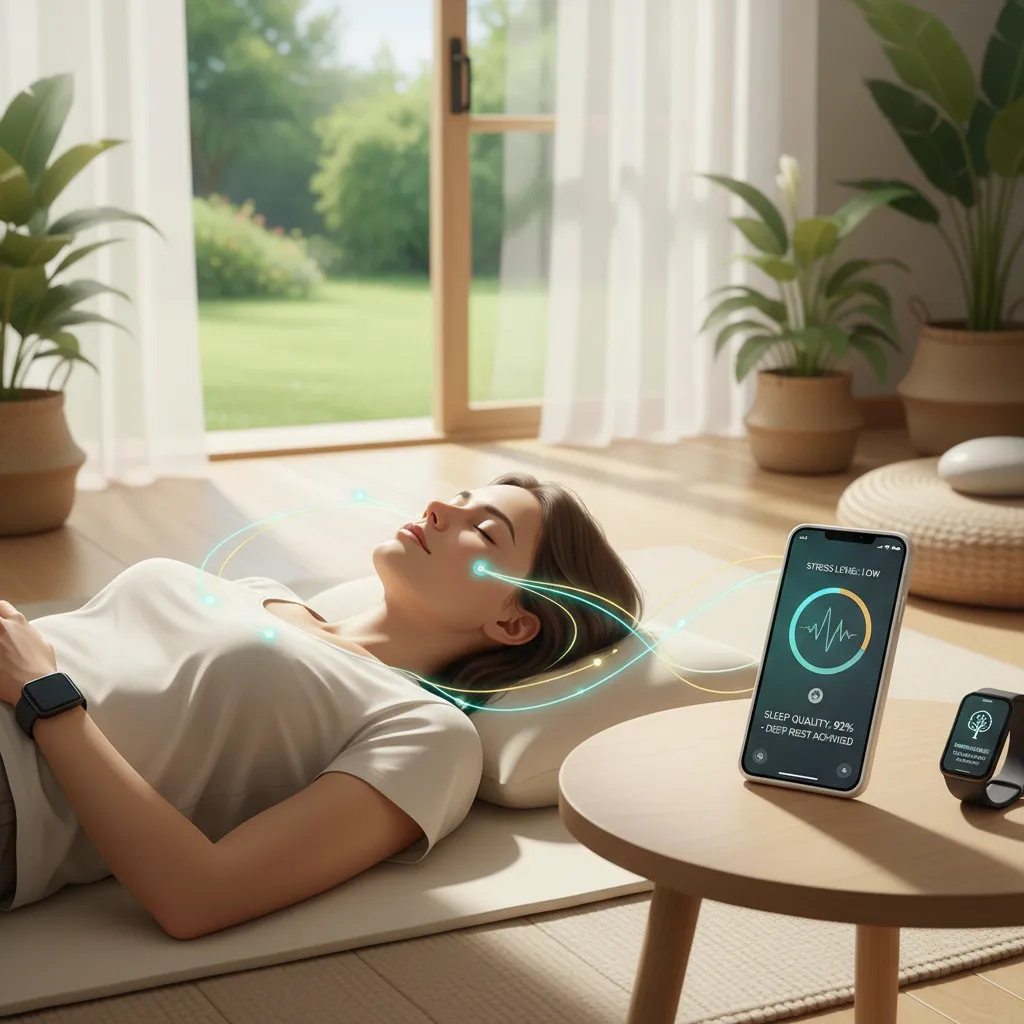
While AI cannot replace human therapists, it serves as an invaluable tool for daily self-management and early intervention, making mental health support more accessible and integrated into our routine. [Related: Rise of AI Companions: Enhancing Daily Life & Emotional Well-Being]
Predictive & Preventive Care: AI’s Proactive Approach to Health
One of the most profound impacts of AI on health is its ability to shift the paradigm from reactive treatment to proactive prevention. Instead of waiting for illness to strike, AI for preventive care leverages vast amounts of data to anticipate health risks and recommend timely interventions, fundamentally changing the healthcare landscape.
The integration of advanced algorithms with continuous data streams allows for Predictive health AI to become a cornerstone of future health strategies. This isn’t just about spotting trends; it’s about understanding individual vulnerabilities and empowering people to take control of their health trajectory.
Early Detection and Risk Assessment
AI’s capacity for pattern recognition far surpasses human capabilities when sifting through massive datasets. This makes it an unparalleled tool for early detection:
- AI Medical Diagnostics: AI algorithms can analyze medical images (X-rays, MRIs, CT scans) with incredible accuracy, often spotting anomalies like early-stage tumors or subtle disease markers that might be missed by the human eye. This significantly improves the chances of successful treatment. Similarly, AI can analyze blood tests and other lab results, identifying combinations of biomarkers that indicate an elevated risk for conditions like diabetes or cardiovascular disease long before symptoms appear.
- Genetic Risk Profiling: By analyzing an individual’s genetic code, AI can identify predispositions to certain hereditary conditions, allowing for targeted screening and lifestyle modifications to delay or prevent onset.
- Population Health Management: Beyond individual care, AI can analyze anonymized health data across vast populations to identify emerging health crises, predict disease outbreaks, and inform public health interventions. This macro-level AI health data analysis is crucial for global health security.
These capabilities mean that instead of only addressing illnesses once they are established, AI can flag potential issues at their earliest stages, offering a window for less invasive and more effective interventions.
Smart Monitoring and Intervention
The combination of Smart health monitoring AI and Wearable tech AI health creates a continuous feedback loop that keeps individuals and their healthcare providers informed about their health status in real-time.
- Continuous Physiological Monitoring: Devices like smart patches and advanced wearables can track vital signs, glucose levels, and even specific biomarkers 24/7. AI analyzes this stream of data, learning an individual’s “normal” baseline. Any significant deviation, such as an irregular heartbeat or a sharp spike in blood sugar, can trigger an alert.
- AI Virtual Health Assistant: These intelligent assistants, often integrated into apps or smart speakers, can interpret monitoring data and provide personalized advice. For example, if your sleep tracker detects poor sleep quality for several nights, your AI virtual health assistant might suggest relaxation techniques, recommend adjusting your bedtime routine, or even prompt you to consult a doctor if the issue persists.
- Proactive Reminders and Support: AI can send personalized reminders for medication, appointments, or even to stand up and move if you’ve been sedentary for too long. For individuals managing chronic conditions, this constant, gentle nudge and data-driven support can significantly improve adherence to treatment plans and overall quality of life.
This proactive approach empowers individuals with the knowledge and tools to make informed decisions about their health, reducing the burden on healthcare systems and fostering a culture of self-care and prevention.
The Role of AI Health Coaching and Management
While AI excels at data analysis and pattern recognition, its role extends beyond mere data reporting. The emergence of AI health coaching signifies a more interactive and supportive dimension, where AI becomes a personalized guide and motivator on your wellness journey. This blending of data insights with actionable guidance is key to effective AI health management.
Virtual Coaches and Personalized Guidance
Imagine having a dedicated health coach available 24/7, armed with an understanding of your unique health profile and capable of adapting to your progress in real-time. That’s the promise of AI health coaching.
- Goal Setting and Tracking: AI coaches can help you define realistic AI health goals – whether it’s running a marathon, managing stress, or improving dietary habits. They then track your progress using data from your wearables and app inputs, offering encouragement and adjusting targets as needed.
- Motivational Support: Through personalized messages, celebratory notifications, and reminders, AI coaches provide a consistent stream of motivation, helping you stay accountable and committed to your wellness plan. They can even adapt their communication style based on your preferences, making the interaction feel more human-like.
- Behavioral Nudging: Based on behavioral science principles, AI can provide timely nudges to encourage healthy choices. For instance, an AI might suggest a quick walk after detecting a long period of inactivity, or recommend a healthy snack when it’s typically your high-snack time based on your past data.
- Biofeedback Integration: Some advanced systems incorporate AI biofeedback, where real-time physiological data (like heart rate variability or skin temperature) is used to help you gain conscious control over involuntary bodily functions, particularly useful for stress reduction and mindfulness.
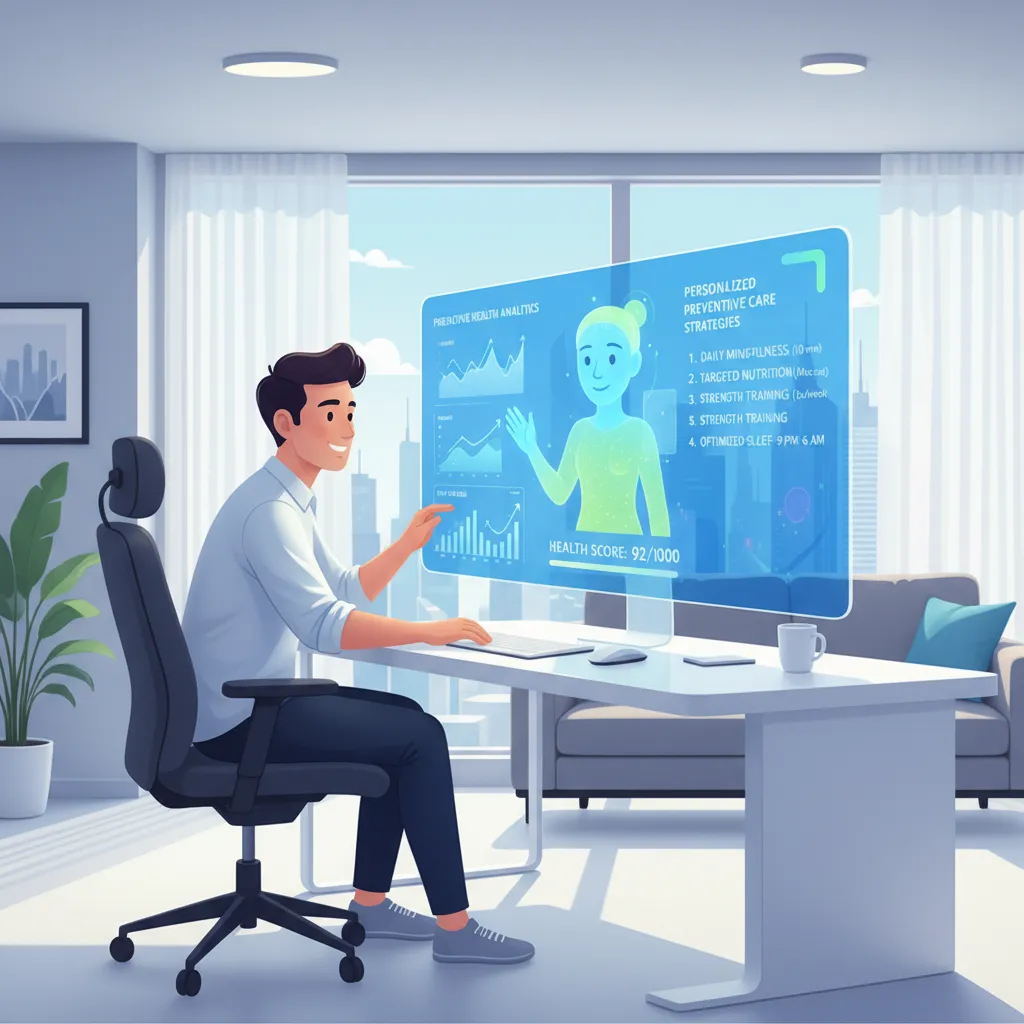
These virtual coaches are designed to complement, not replace, human interaction. They act as an intelligent layer that continuously monitors, learns, and adapts, offering highly individualized guidance that empowers you to take proactive steps towards better health. This represents a significant leap in AI driven wellness, making expert guidance more accessible than ever before.
Data-Driven Insights for Better Decisions
The power of AI health coaching lies in its ability to translate complex health data into simple, actionable insights. For many, understanding their health metrics can be overwhelming. AI streamlines this process.
- Simplifying Complex Data: Instead of presenting raw numbers, AI can summarize trends, highlight areas for improvement, and explain the “why” behind certain recommendations in an easy-to-understand language. For example, it might explain how consistently poor sleep impacts your energy levels or why certain foods affect your blood sugar more than others.
- Identifying Patterns and Correlations: AI health insights go beyond mere data collection. They identify subtle patterns and correlations that humans might miss. An AI might discover that your stress levels consistently spike on certain days of the week, or that specific dietary choices correlate with changes in your sleep quality. This deeper AI health data analysis provides a foundation for targeted interventions.
- Personalized Recommendations: Based on these insights, AI generates highly specific AI health recommendations. These aren’t generic tips; they are tailored to your unique circumstances and goals, whether it’s a specific meditation practice, a type of exercise, or a change in meal timing. This level of personalization is at the heart of AI health optimization.
By providing a clear, evidence-based roadmap, AI health coaching empowers individuals to make more informed decisions about their health, fostering a sense of control and agency over their wellness journey. It’s about demystifying health data and making it a powerful tool in your hands.
The Future Landscape: AI Health Innovations on the Horizon
As impressive as current AI health innovations are, we’re only scratching the surface of what’s possible. The Future of AI health promises an even more integrated, intuitive, and hyper-personalized approach to wellness, pushing the boundaries of what we consider achievable in healthcare. The rapid advancements in machine learning, sensor technology, and data processing ensure that AI health technology will continue to evolve at an astonishing pace.
Beyond Current Capabilities: What’s Next?
The next wave of AI innovations in health will likely focus on:
- Hyper-Personalized Interventions: Imagine AI developing custom medications or therapies based on your individual genetic profile and real-time physiological responses. This could extend to “digital twins” that simulate your body’s reaction to different treatments before they are administered.
- Emotion-Sensing AI: AI capable of more accurately detecting and interpreting emotional states through voice analysis, facial recognition, and physiological cues. This could lead to more nuanced mental health support and proactive interventions for emotional distress.
- Advanced Diagnostics at Home: Miniaturized, AI-powered diagnostic devices that allow for complex blood tests, urine analyses, and even genetic screenings to be performed from the comfort of your home, with results instantly analyzed by AI for immediate insights and recommendations.
- Robotics in Care: AI-driven robots assisting with everything from elder care and rehabilitation exercises to complex surgeries, enhancing precision and freeing up human professionals for more critical tasks.
- AI for Drug Discovery and Development: AI is already accelerating the identification of new drug candidates and optimizing clinical trial designs, leading to faster development of life-saving treatments. This will only grow in sophistication, significantly impacting global health.
These advancements underscore how AI health innovations are not just incremental improvements but foundational shifts in how health and wellness are understood, delivered, and managed.
Ethical Considerations and the Human Touch
While the potential of AI in health is boundless, it’s crucial to address the ethical considerations that accompany such powerful technology. As AI becomes more integrated into our health, discussions around data privacy, algorithmic bias, and the essential role of human oversight become paramount.
- Data Privacy and Security: The collection of highly sensitive personal health data by AI systems raises significant concerns. Robust security measures, transparent data usage policies, and strict adherence to privacy regulations (like HIPAA and GDPR) are non-negotiable. Individuals must have clear control over their health data.
- Algorithmic Bias: AI models are only as unbiased as the data they are trained on. If training data lacks diversity or reflects existing societal biases, the AI can perpetuate or even amplify those biases, leading to unequal health outcomes for certain demographic groups. Continuous auditing and diverse data collection are critical to mitigate this risk.
- The Importance of Human Oversight: While AI offers incredible analytical power, it lacks human empathy, intuition, and the ability to understand complex social and emotional contexts. AI should always serve as a tool to augment human decision-making, not replace it entirely, especially in critical medical diagnoses and treatment plans. The “human in the loop” principle remains vital.
- Accessibility and Equity: Ensuring that these advanced AI health technology innovations are accessible to everyone, regardless of socioeconomic status or geographical location, is a significant challenge that needs proactive solutions.
The Future of AI health must be built on a foundation of ethical responsibility, ensuring that technology serves humanity in a way that is equitable, private, and ultimately enhances human well-being without compromising core values.
Conclusion
The journey into AI & Your Health: The Future of Personalized Wellness reveals a landscape brimming with transformative potential. We’ve seen how AI personalized health is moving us away from generalized care toward bespoke strategies that consider every nuance of our individual existence. From AI fitness trackers and intelligent AI nutrition plans that seamlessly integrate into our daily lives, to AI mental health support offering accessible solace, AI is fundamentally reshaping how we approach wellness.
The shift towards Predictive health AI and AI for preventive care marks a profound evolution, allowing us to anticipate and mitigate health risks before they escalate. With AI health coaching and sophisticated AI health management systems, we are empowered with data-driven insights and personalized guidance, fostering a proactive and informed approach to our well-being. The Future of AI health promises even more groundbreaking AI health innovations, from hyper-personalized therapies to advanced home diagnostics, all while emphasizing the crucial need for ethical development and human oversight.
As we stand at the threshold of this intelligent era, it’s clear that AI driven wellness is not merely a technological advancement; it’s a fundamental change in our relationship with health itself. By embracing these advancements thoughtfully and ethically, we can unlock a future where health is not just a reactive response to illness, but a continuously optimized, deeply personal, and profoundly empowering journey for everyone. Stay curious, stay informed, and engage with the incredible possibilities AI offers for your personal well-being.
FAQs
Q1. What is AI personalized health?
AI personalized health refers to the use of artificial intelligence to create highly individualized health and wellness plans. It analyzes unique data points like genetics, lifestyle, environment, and physiological responses to offer tailored recommendations for diet, exercise, preventive care, and mental well-being, moving beyond one-size-fits-all approaches.
Q2. How does AI improve individual wellness?
AI improves individual wellness by providing data-driven insights and personalized guidance. It can monitor health metrics, detect patterns, predict risks, and offer real-time feedback on fitness, nutrition, sleep, and stress. This enables individuals to make informed decisions and adhere to highly optimized wellness strategies.
Q3. Are AI health apps secure and reliable?
Reputable AI health apps prioritize data security and privacy, often adhering to strict regulations like HIPAA and GDPR. While they can be highly reliable for analyzing data and providing recommendations, it’s crucial to choose well-vetted apps from trusted developers and remember that AI tools are meant to augment, not replace, professional medical advice.
Q4. What are some examples of AI in daily fitness and nutrition?
In fitness, AI powers smart wearables that track activity, heart rate, and sleep, then generate personalized workout routines and recovery recommendations. For nutrition, AI diet plans analyze metabolic data, allergies, and goals to suggest tailored meal plans, recipes, and even provide real-time feedback on food choices.
Q5. Can AI help with mental health issues?
Yes, AI can offer significant support for mental health. AI mental health support apps provide guided meditations, CBT exercises, and mood tracking. AI sleep tracking helps identify and address sleep disturbances, and AI stress management tools can detect elevated stress levels and suggest mindfulness practices to promote emotional well-being.
Q6. How does AI contribute to preventive care?
AI for preventive care analyzes vast amounts of health data, including genetic predispositions, lifestyle factors, and medical history, to predict an individual’s risk for various conditions. This allows for early detection of potential issues and personalized AI health recommendations for lifestyle changes, screenings, and interventions to prevent illness before it occurs.
Q7. Will AI replace human doctors and health coaches?
No, AI is not intended to replace human doctors or health coaches but rather to augment their capabilities. AI excels at data analysis, pattern recognition, and providing personalized insights, freeing up human professionals to focus on empathy, complex decision-making, and direct patient interaction. It acts as a powerful tool to enhance, not substitute, human expertise in healthcare.