The AI Mind: Revolutionizing Mental Health with Personalized Digital Therapy
Introduction
In our hyper-connected world, a quiet crisis is unfolding. The demand for mental health support is skyrocketing, yet traditional therapy remains out of reach for millions due to cost, stigma, and long waiting lists. We’re facing a profound accessibility gap at a time when we need support the most. But what if the very technology that contributes to our digital stress could also be our most powerful ally in healing?
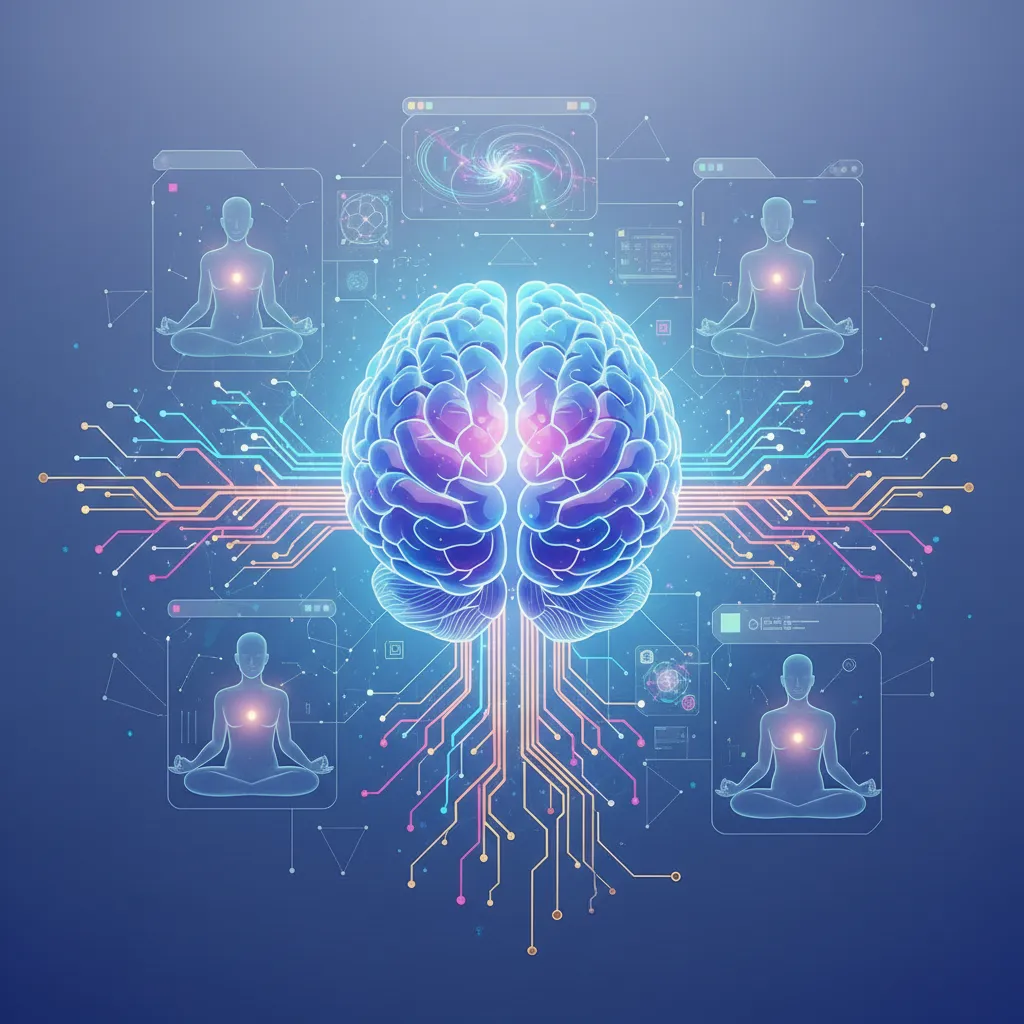
Enter the world of personalized digital therapy. This isn’t science fiction; it’s a rapidly evolving reality where artificial intelligence is becoming a compassionate, data-driven partner in our mental well-being journey. From sophisticated mental health chatbots to AI personalized wellness plans, this new wave of mental wellness technology is fundamentally reshaping our approach to emotional health.
This article delves into the heart of the AI mental health revolution. We’ll explore the core technologies that power these digital mental health solutions, unpack the tangible benefits they offer, and critically examine the ethical labyrinth we must navigate. Whether you’re curious about AI for anxiety and depression or the future of mental health tech, you’ll gain a comprehensive understanding of how AI is helping us understand the most complex machine of all: the human mind.
The Dawn of Digital Sanctuaries: Why Now?
The rise of AI for mental health support isn’t a random occurrence. It’s the result of a perfect storm of societal shifts and technological leaps. For decades, the conversation around mental health was whispered, if it happened at all. Today, public awareness is at an all-time high, and seeking help is increasingly seen as a sign of strength, not weakness.
Simultaneously, the supercomputer in your pocket—your smartphone—has become ubiquitous. This provides the perfect delivery mechanism for mobile mental health AI, bringing support directly into the hands of those who need it, whenever they need it.
This combination has created fertile ground for mental health innovation AI. Traditional therapy, for all its proven benefits, operates on a schedule. It can be prohibitively expensive and geographically limited. AI, however, offers a different promise: a virtual mental health coach that’s available 24/7, offering a listening ear at 3 AM during a panic attack or a guided meditation before a stressful meeting. It’s this potential for immediate, accessible, and affordable AI therapy that is driving the revolution.
How AI is Rewiring Mental Healthcare: The Core Technologies
To truly appreciate the impact of these tools, we need to look under the hood. This isn’t about generic, pre-programmed responses. The effectiveness of modern AI-powered therapy lies in a trio of sophisticated technologies working in concert.
Natural Language Processing (NLP): The Art of Understanding
At its core, therapy is a conversation. Natural Language Processing is the technology that allows an AI to understand the nuances of human language. When you type or speak to an AI emotional support tool, NLP algorithms break down your sentences, identify keywords, recognize sentiment, and grasp the context of your feelings.
Think of it as a super-powered active listener. It doesn’t just hear the words “I’m feeling stressed about work”; it identifies “stress” as the core emotion and “work” as the trigger. This allows the AI to ask relevant follow-up questions, suggest specific exercises, and guide the conversation in a therapeutically valuable direction, much like a human therapist would in an initial session. This is the magic behind the most effective mental health chatbots.
Machine Learning: Crafting Personalized Wellness Plans
This is where the “personalized” in personalized digital therapy truly comes to life. Machine learning (ML) algorithms are designed to learn from data and identify patterns. In the context of mental health, this data includes your mood logs, journal entries, sleep patterns, and interactions with the app.

An ML model can discern connections you might miss. It might notice, for instance, that your anxiety spikes on days you sleep less than six hours or that your mood improves after you use a guided breathing exercise. Based on these patterns, the system can:
- Adapt Interventions: If a standard
AI cognitive behavioral therapy (CBT)exercise isn’t resonating with you, the algorithm can suggest an alternative approach, like a mindfulness exercise or a journaling prompt. - Proactively Nudge: It can send a notification with a 5-minute
AI stress managementtechnique right before a calendar event it knows is a recurring source of anxiety. - Create Dynamic Plans: The system builds and refines your
AI personalized wellness plansover time, ensuring the support evolves as your needs change. Related: Reclaiming Your Focus in a World of Digital Noise
Affective Computing: The Quest for AI-Driven Emotional Intelligence
The final frontier for AI psychological support is affective computing, or emotion AI. This cutting-edge field focuses on developing systems that can recognize, interpret, and simulate human emotions. While still nascent, the goal is to create tech for emotional regulation that goes beyond text.
Future psychiatric AI assistants might analyze your tone of voice during a verbal check-in to detect subtle signs of distress or use your phone’s camera (with explicit consent) to recognize facial expressions associated with different emotions. This technology aims to bridge the “empathy gap” and provide a more nuanced, AI-driven emotional intelligence that can respond not just to what you say, but how you feel.
The Tangible Benefits: AI as a Virtual Mental Health Coach
The technology is impressive, but what does it mean for the end-user? The benefits are profound, addressing many of the core barriers that prevent people from seeking help.
Unprecedented Accessibility and Affordability
This is arguably the most significant impact. For the price of a few coffees a month—or sometimes for free—users get access to a suite of tools that would otherwise be inaccessible. There are no waiting lists, no insurance hurdles, and no need to take time off work. Support is immediate and discreet, available on your couch, on the bus, or during a lunch break. This 24/7 availability transforms mental health support from a scheduled event into an integrated part of daily life.
Deep Personalization at Scale
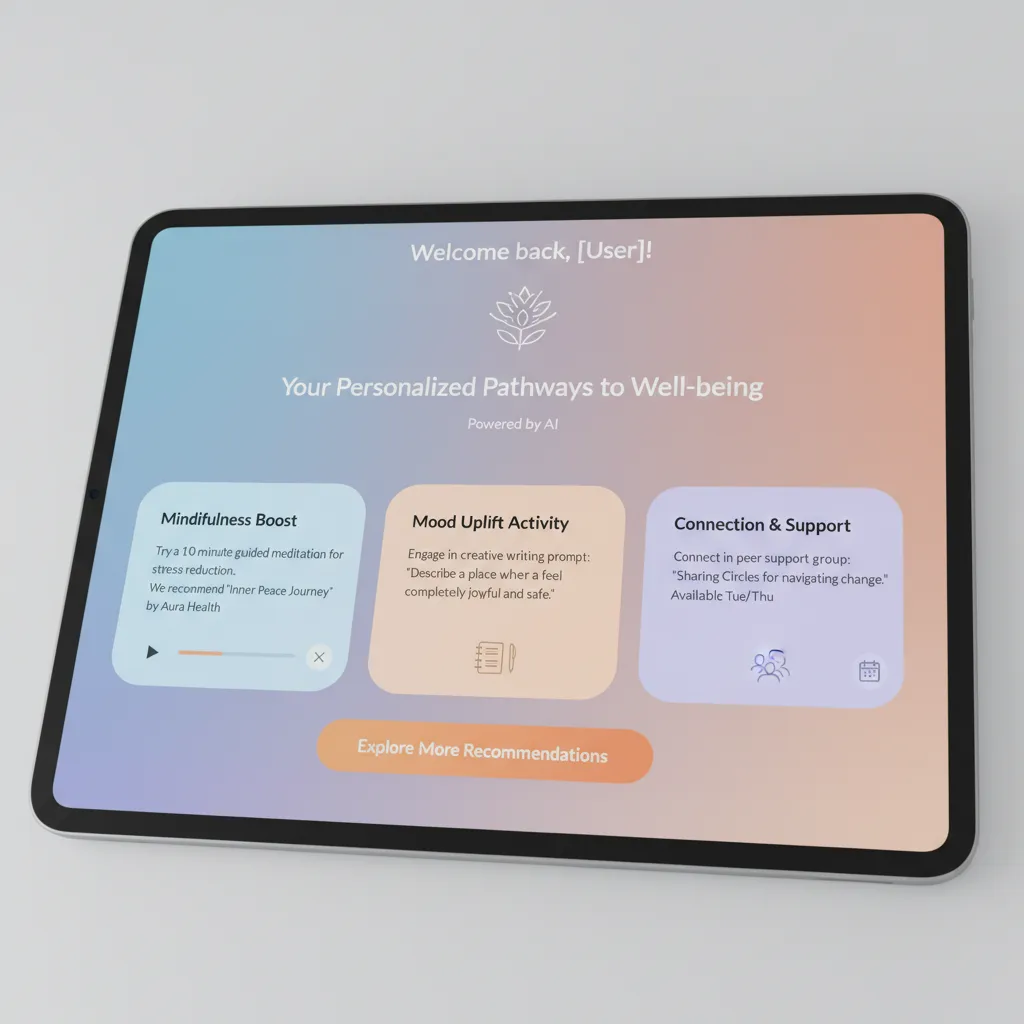
Traditional mental healthcare is often one-size-fits-all. A therapist, no matter how skilled, can only see one person at a time. AI can deliver a uniquely tailored experience to millions of users simultaneously. Your journey with an AI mental health app is entirely your own. The content, exercises, and check-ins are all calibrated based on your specific goals, challenges, and progress. This level of personalization ensures that the support you receive is always relevant.
Reducing Stigma and Encouraging Vulnerability
For many, the fear of judgment is a major barrier to opening up. It can be incredibly difficult to voice your deepest fears and anxieties to another person. Interacting with a non-judgmental AI provides a safe space to be vulnerable. It serves as a digital confessional, allowing users to explore their feelings without fear of criticism. For countless individuals, this is a crucial first step on their mental health journey, making it easier to eventually seek human support if needed.
Data-Driven Insights for Users and Clinicians
Quality mental wellness technology empowers you with data about your own mind. By tracking mood patterns, sleep quality, and triggers over time, you can gain a clearer understanding of your mental landscape. These insights are not just for you; with your permission, they can be shared with a human therapist or psychiatrist. This provides your clinician with a rich, longitudinal view of your mental state between sessions, leading to more effective and informed treatment.
Beyond Chatbots: The Expanding Ecosystem
The revolution isn’t confined to online AI therapy platforms. The technology is integrating with other digital tools to create a holistic ecosystem for mental well-being.
Wearable Tech and Continuous Monitoring
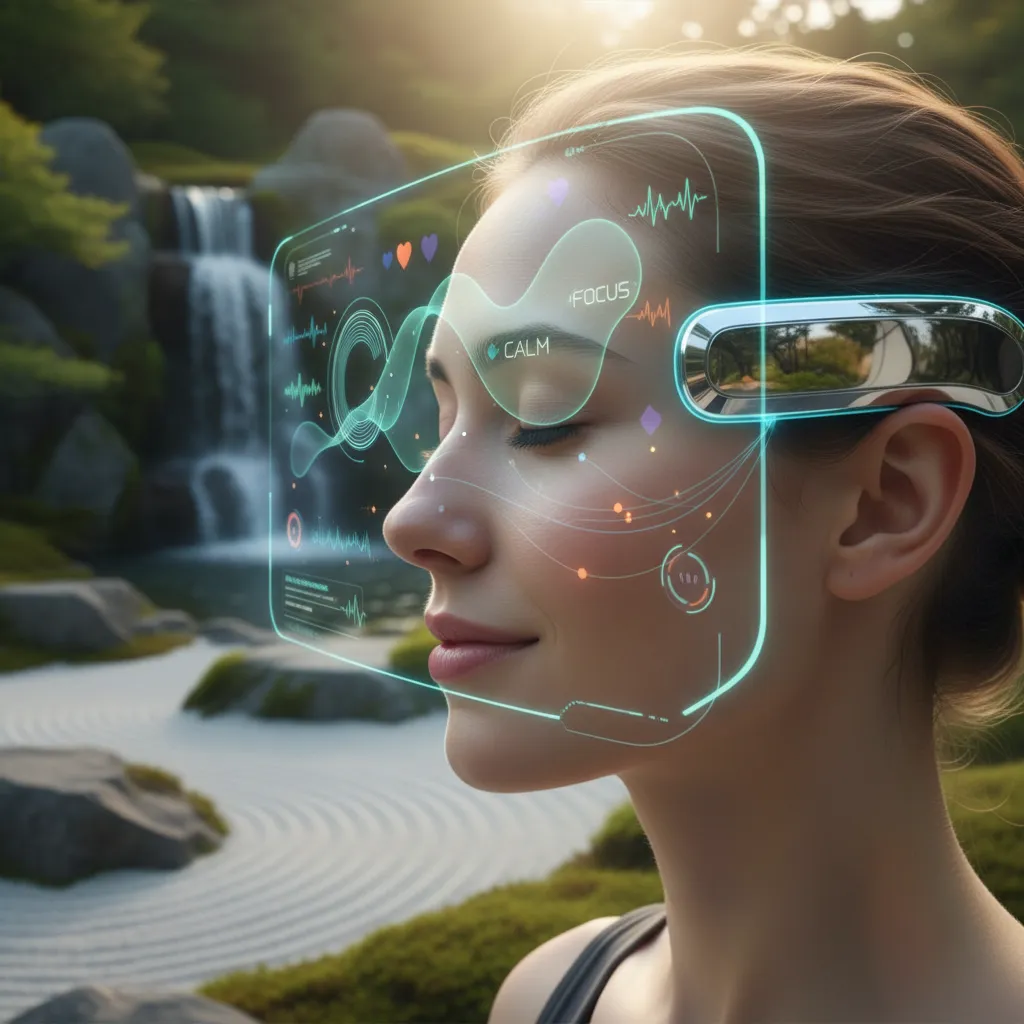
The data from your smartwatch or fitness tracker is a goldmine of mental health information. Devices that monitor heart rate variability (HRV), resting heart rate, and sleep stages provide objective physiological markers for stress and recovery. When wearable tech mental health data is integrated with an AI app, the system gets a 24/7 stream of information about your nervous system’s state. It can tell if you’re in a “fight-or-flight” state and proactively suggest a calming exercise, creating a powerful feedback loop for AI stress management. Related: The Wearable Tech Revolution: More Than Just Step Counting
Psychiatric AI Assistants: Augmenting Human Therapists
The goal of AI in psychiatry isn’t to replace clinicians but to supercharge them. Psychiatric AI assistants are being developed to handle administrative burdens, such as clinical note-taking and documentation. More advanced systems can analyze transcripts of therapy sessions to identify key themes, track the usage of certain words, and even highlight moments of potential breakthrough that a therapist might want to revisit. This frees up the therapist to focus on what they do best: providing human connection and deep, empathetic care.
Digital Therapeutics (DTx): Prescription-Strength Support
At the highest level of clinical validation are Digital therapeutics mental health (DTx). These are software-based interventions that have undergone rigorous clinical trials and received clearance from regulatory bodies like the FDA to treat specific medical conditions. A doctor can literally prescribe a DTx app for conditions like insomnia, substance use disorder, or ADHD. This represents the pinnacle of evidence-based digital mental health solutions, blurring the line between a wellness tool and a medical treatment.
Navigating the Labyrinth: The Critical Ethical Considerations
With great power comes great responsibility. The rapid growth of mental health innovation AI forces us to confront serious ethical questions. A balanced discussion requires acknowledging these challenges head-on.
Data Privacy and Security: The Digital Confessional
Mental health data is among the most sensitive personal information imaginable. Users must have absolute trust that their conversations, mood logs, and personal histories are kept secure and confidential. Companies in this space have a profound duty to use robust encryption, anonymize data, and be transparent about their data-sharing policies. The potential for data breaches or misuse is a significant concern that requires stringent oversight. Related: How AI Is Revolutionizing Cybersecurity
Algorithmic Bias and Equity
AI models are trained on data. If that data is not diverse and representative of the global population, the resulting AI can be biased. An algorithm trained predominantly on the language and cultural norms of one group might misinterpret or fail to understand the experiences of another. Ensuring that AI mental health apps are culturally competent, inclusive, and equitable is one of the most critical challenges in achieving ethical AI mental health.
The Empathy Gap: Can an Algorithm Truly Care?
This is the central philosophical question. An AI can be programmed to say empathetic things, but it cannot feel empathy. It lacks lived experience, intuition, and the shared humanity that forms the bedrock of the therapeutic alliance. While AI is an incredible tool for delivering evidence-based techniques like CBT and providing in-the-moment support, it’s crucial to recognize its limitations. It cannot replace the profound, healing power of genuine human connection.

Regulation and Over-Reliance
When does a wellness app become a medical device? The line is often blurry, and regulatory frameworks are struggling to keep pace with innovation. There’s a risk of a “wild west” environment where unproven claims are made. Furthermore, there’s a danger that users with serious mental health conditions might over-rely on an app when they truly need professional human intervention. Clear guidelines and responsible marketing are essential to ensure user safety.
Conclusion: The Future is Hybrid: A Symbiotic Relationship Between Human and AI
The AI mind is not here to replace the human heart. The revolution in mental healthcare is not about choosing between a human therapist and an AI-powered therapy app. Instead, the future of mental health tech lies in a hybrid, collaborative model.
Imagine a future where AI handles the day-to-day support: tracking your mood, providing 24/7 access to coping strategies, and personalizing a wellness plan. It gathers the data and provides the insights. This information then empowers less frequent but more impactful sessions with a human therapist, who can focus on deep-seated issues, complex trauma, and the irreplaceable work of building a genuine human bond.
AI is making mental health support more accessible, affordable, and personalized than ever before. It is a powerful force for good, capable of reaching millions who have been left behind by the traditional system. By embracing the benefits of AI therapy while demanding ethical development and responsible implementation, we can build a future where technology and humanity work together, creating a more mentally healthy world for all.
Frequently Asked Questions (FAQs)
Q1. What is AI therapy?
AI therapy, also known as personalized digital therapy, uses artificial intelligence programs to provide mental health support. This often takes the form of AI mental health apps and mental health chatbots that use technologies like Natural Language Processing (NLP) to understand user inputs and provide responses, exercises, and support based on established therapeutic models like Cognitive Behavioral Therapy (CBT).
Q2. How do AI mental health apps work?
These apps work by collecting user data—such as journal entries, mood logs, and responses to questions—and using machine learning algorithms to identify patterns. Based on these patterns, the AI delivers personalized content, such as guided meditations, AI cognitive behavioral therapy modules, and coping techniques. The goal is to create an interactive and adaptive AI personalized wellness plan that evolves with the user’s needs.
Q3. Is AI therapy effective for anxiety and depression?
Many studies show that AI for anxiety and depression can be highly effective, particularly for those with mild to moderate symptoms. Apps based on proven methods like CBT have been shown to significantly reduce symptoms. They are especially useful for providing immediate coping strategies, tracking mood, and teaching emotional regulation skills. However, for severe conditions, they are best used as a supplement to, not a replacement for, professional human care.
Q4. What are the main benefits of using AI for mental health support?
The primary benefits include accessibility (24/7 support from anywhere), affordability (often much cheaper than traditional therapy), and anonymity (reducing the stigma associated with seeking help). Furthermore, AI emotional support tools offer deep personalization, tailoring their support to an individual’s specific patterns and needs, which is a key advantage of mental wellness technology.
Q5. What are the ethical concerns with AI in mental health?
The main ethical concerns revolve around data privacy and security, as mental health data is extremely sensitive. Other significant issues include the potential for algorithmic bias, where the AI may not be effective for all demographics, and the lack of genuine human empathy. There are also concerns about over-reliance on apps for serious conditions and the need for clear regulatory oversight to ensure ethical AI mental health practices.
Q6. Can AI replace human therapists?
No, the consensus among experts is that AI cannot and should not replace human therapists. While AI is an excellent tool for providing scalable, data-driven support and teaching coping skills, it lacks the genuine empathy, intuition, and complex problem-solving abilities of a human professional. The most likely future of mental health tech is a hybrid model where psychiatric AI assistants augment and support the work of human clinicians.
Q7. Are AI mental health apps safe and confidential?
Reputable digital mental health solutions prioritize user safety and confidentiality, using strong encryption and adhering to privacy regulations like HIPAA. However, the level of security can vary widely between apps. It is crucial for users to read the privacy policy, understand how their data is used, and choose apps from established companies that are transparent about their security practices.