AI NPCs: Revolutionizing Gaming with Immersive Stories & Dynamic Worlds
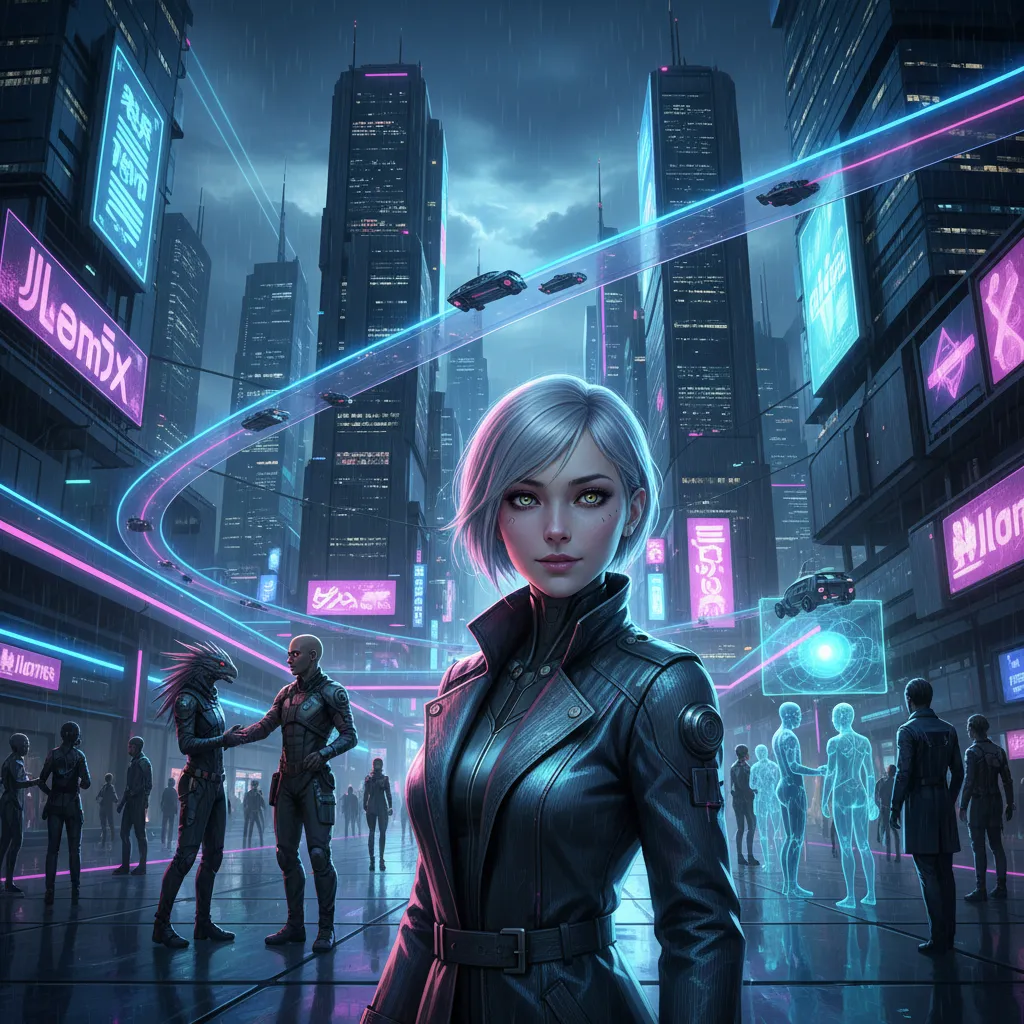
We’ve all been there. You walk up to a shopkeeper in a sprawling fantasy world, and they greet you with the same canned line you’ve heard a dozen times. You bump into a city guard, and they mindlessly repeat their patrol route, oblivious to the chaos you just caused. For decades, Non-Player Characters (NPCs) have been the lifeblood and the limitation of video games—essential for quests and atmosphere, but often feeling like little more than robotic mannequins on a predetermined track.
This era of predictable, scripted interactions is coming to a dramatic end. The rise of sophisticated artificial intelligence games is ushering in a new generation of AI NPCs poised to fundamentally reshape the gaming landscape. These aren’t your parents’ NPCs. They are intelligent, adaptive, and capable of generating their own dialogue, memories, and behaviors in real-time.
This evolution promises to deliver what gamers have always craved: truly dynamic game worlds and immersive storytelling games where our actions have real, unpredictable consequences. In this deep dive, we’ll explore the incredible journey of video game AI evolution, unpack the technology behind these intelligent NPCs, and look ahead to the revolutionary future of gaming AI.
From Scripted Puppets to Intelligent Beings: The Evolution of Video Game AI
To appreciate the current revolution, it’s crucial to understand where we came from. The history of game AI is a fascinating story of developers using clever tricks and incremental advancements to create the illusion of intelligence.
The “Pac-Man” Era: Predictable Patterns and Finite State Machines
In the early days of gaming, AI was incredibly simple. The ghosts in Pac-Man weren’t truly “hunting” you; each one followed a specific, hard-coded rule. Blinky (red) aimed for Pac-Man’s tile, Pinky (pink) aimed for a space in front of Pac-Man, and so on. This was a classic example of a Finite State Machine (FSM), where a character has a limited set of “states” (e.g., chase, scatter, frightened) and transitions between them based on simple triggers. It was effective, but utterly predictable once you learned the patterns.
The “Half-Life” Leap: Coordinated Squad-Based AI
The late 1990s brought a significant leap forward. Games like Half-Life (1998) shocked players with their enemy AI. The HECU Marines didn’t just run at you; they used squad tactics. They would flank, lay down suppressing fire, toss grenades to flush you out of cover, and communicate with each other. This wasn’t true dynamic intelligence, but a brilliantly complex set of scripted behaviors that gave the impression of a coordinated, thinking enemy. This set a new standard for combat AI and showcased the potential for more realistic NPC behavior.
The “Red Dead Redemption 2” Benchmark: Ambient AI and Lived-in Worlds
More recently, games like Red Dead Redemption 2 pushed the boundaries of ambient AI. The NPCs in its world don’t just stand around waiting for the player. They have their own daily schedules—they wake up, go to work, visit the saloon, and head home. They react to your presence, the weather, and the time of day. While still largely based on complex scripts, this level of detail created an unparalleled sense of a living, breathing world, setting the stage for the next monumental leap in open world AI.
What Are AI NPCs? Unpacking the Next Generation of Virtual Characters
The term “AI NPC” is now used to describe a new paradigm that moves far beyond the clever scripting of the past. So, what truly separates a modern AI NPC from its predecessors? The difference lies in the underlying technology and the ability to generate novel, unscripted behavior.
Beyond the Script: Defining True AI NPCs
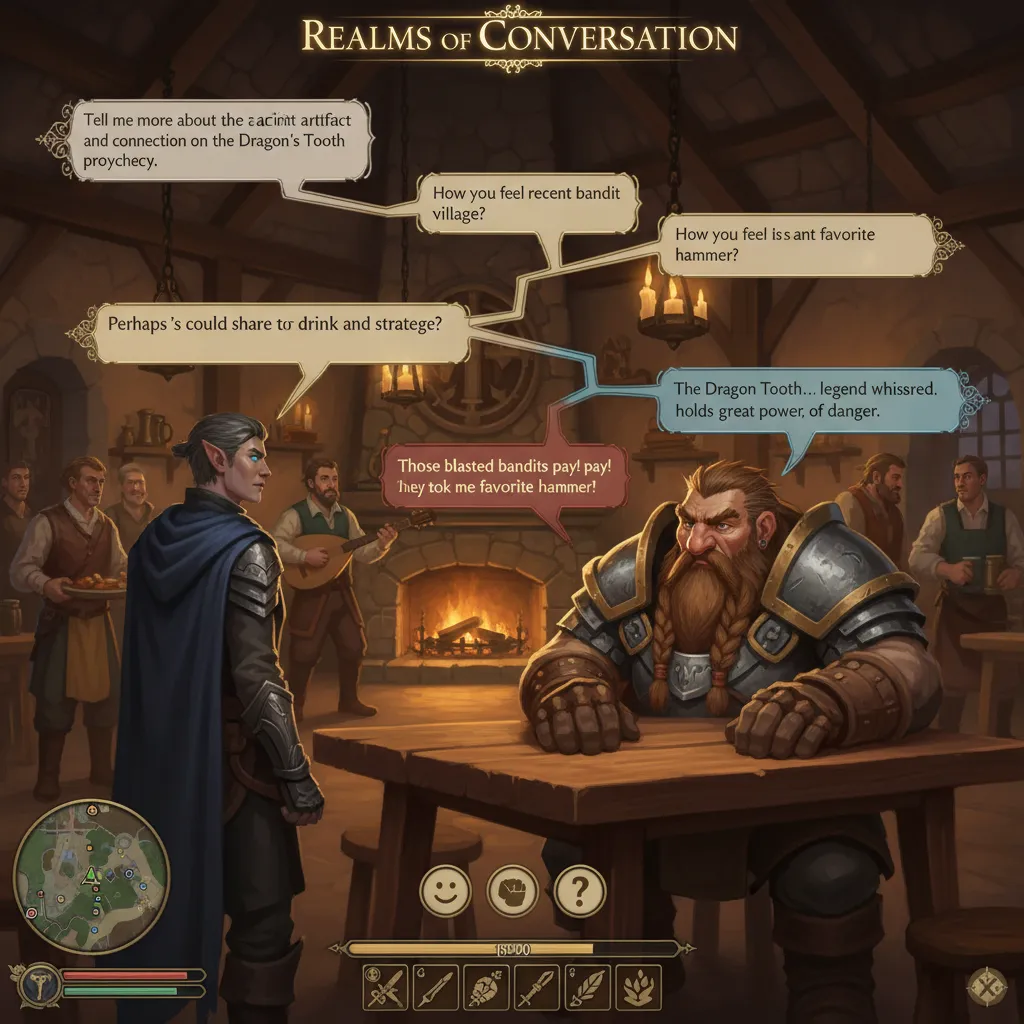
A traditional NPC operates on a “dialogue tree.” You are presented with options A, B, or C, and the NPC has a pre-written response for each. A true AI NPC leverages generative AI models to create responses on the fly. You can type or speak a question that the developers never anticipated, and the NPC can understand the context and formulate a unique, coherent answer in character. This transforms NPC interaction AI from a multiple-choice quiz into a genuine conversation.
The Core Technologies Powering Modern Game AI
This new wave of virtual character intelligence is powered by a convergence of cutting-edge technologies that are becoming more accessible to game developers.
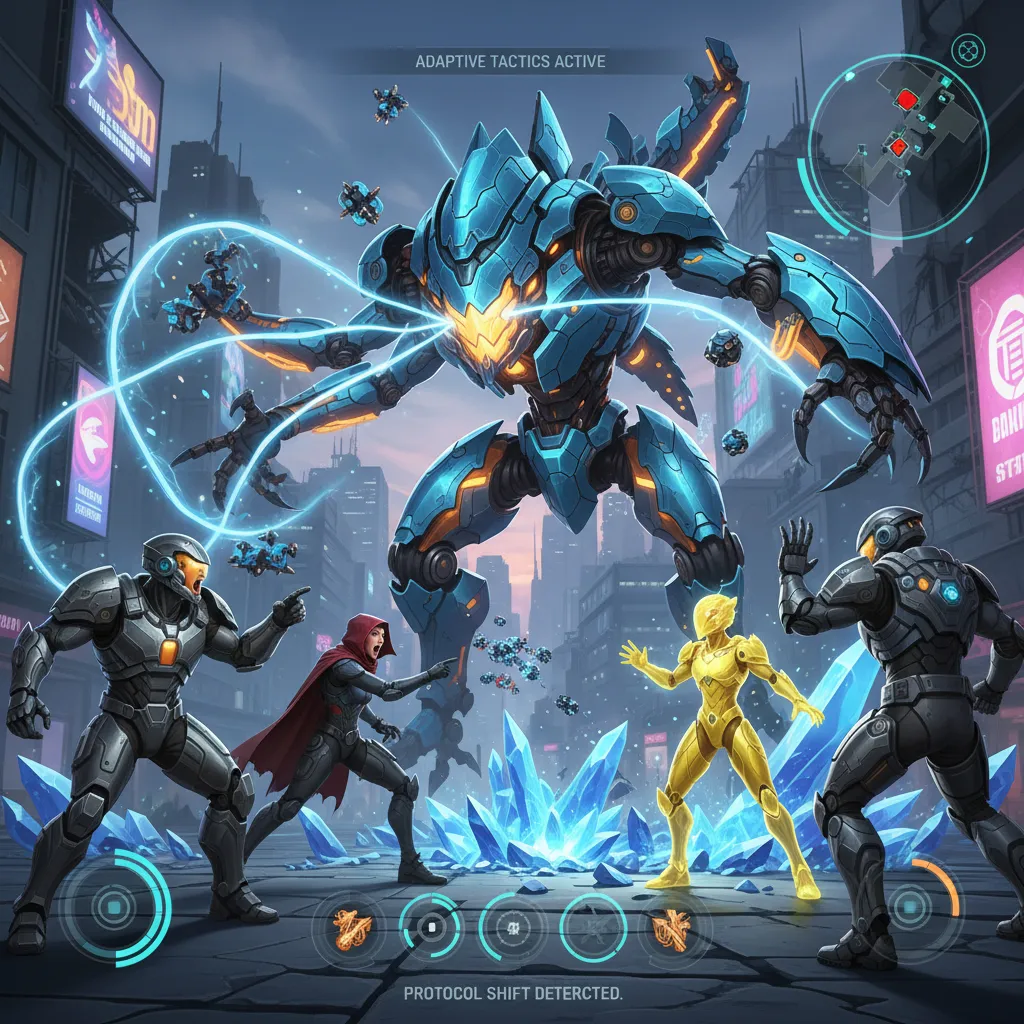
- Machine Learning (ML): This is the foundation of adaptive NPC behavior. Instead of following rigid rules, NPCs can be trained on vast datasets of player actions. An ML-powered enemy might learn your favorite combat tactics and develop counters, or a companion NPC could adjust its support style based on how you play.
- Large Language Models (LLMs): The same technology behind ChatGPT and other conversational AI is the engine for dynamic dialogue. LLMs allow character AI gaming to have NPCs that can chat about the in-game weather, gossip about other characters, or provide unique quest hints based on a fluid conversation, all while staying perfectly in character.
- Procedural Generation AI (PCG): While procedural generation has been used for years to create maps and levels, procedural generation AI takes it a step further. It can be used to generate dynamic quests, character backstories, and even entire plotlines based on the player’s actions, leading to truly emergent narratives.
The Revolution in Action: How AI NPCs are Forging Dynamic Game Worlds
The fusion of these technologies isn’t just a technical curiosity; it’s fundamentally changing the player experience. It’s the difference between being an actor in a play and the protagonist in a world that genuinely revolves around you.
Crafting Genuinely Interactive Narratives
The holy grail of narrative AI games has always been to break free from the constraints of pre-written stories. AI NPCs are the key.
Imagine a detective game where you can interrogate a suspect by asking any question you can think of, and they will respond with subtle lies, truths, or deflections based on their personality and what they know. Or a diplomacy game where your relationship with a faction leader isn’t determined by a simple reputation meter, but by the nuanced conversations and promises you’ve made over dozens of hours. This is the promise of interactive narratives AI, where the story is a living entity shaped by your every word and deed, dramatically increasing player agency AI games.
Related: The Metaverse at Work: Revolutionizing Remote Collaboration & Virtual Offices
Creating Responsive and Believable Environments
A truly responsive game environment is one that remembers. With AI-powered memory systems, NPCs can recall your past actions. The blacksmith you saved from a goblin attack might give you a permanent discount and greet you warmly, while the guard you insulted might be more aggressive during future encounters.
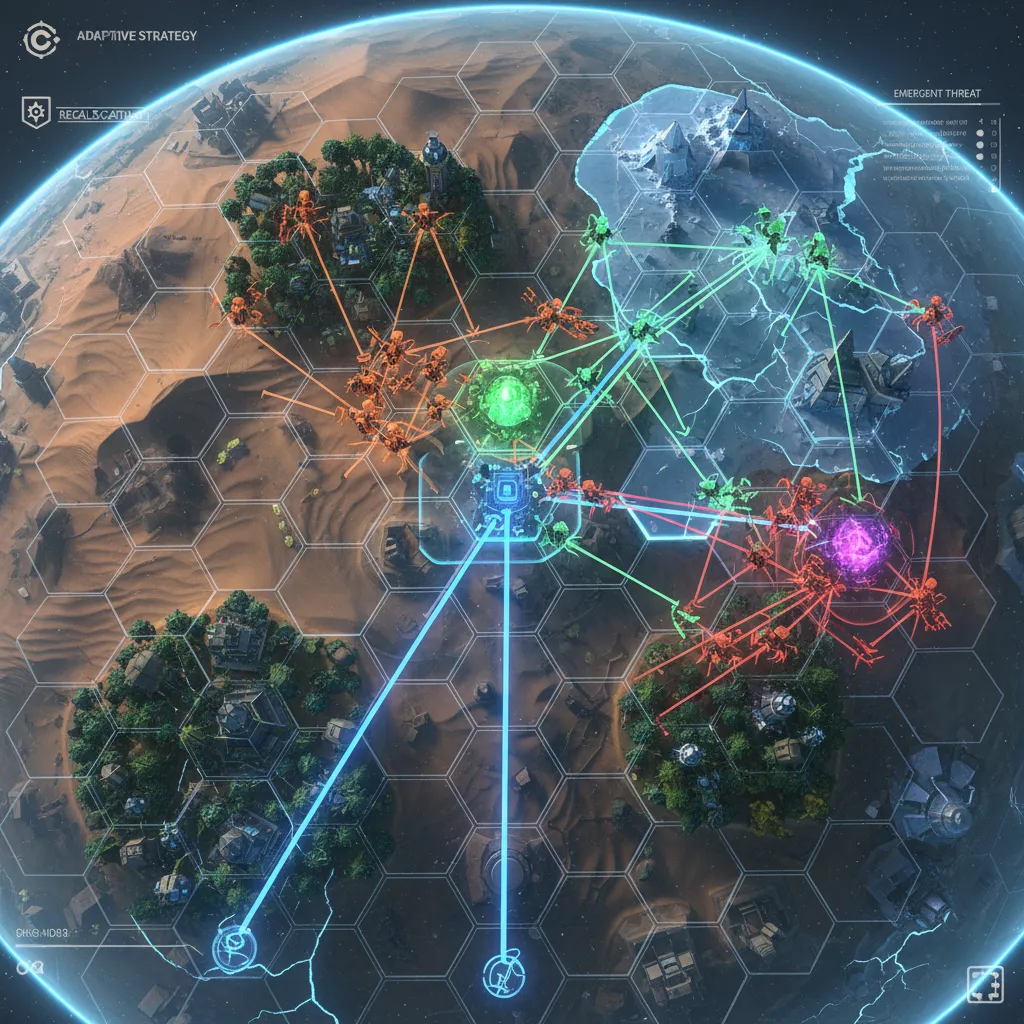
This extends beyond individual NPCs to entire ecosystems. AI can simulate faction warfare, economic shifts, and predator-prey dynamics that happen independently of the player, creating a world that feels alive and constantly in motion. These AI-powered game mechanics make exploration and observation just as rewarding as direct action.
The Dawn of the Personalized Gaming Experience
The ultimate goal is a personalized gaming experience. AI can act as a “Dungeon Master,” subtly adjusting the game’s difficulty, story beats, and challenges to match your specific playstyle. If you’re a stealthy player, the AI might generate more infiltration missions. If you prefer brute force, it might create more large-scale combat encounters. This ensures the game remains challenging and engaging for every type of player, fostering incredible replayability and AI for game immersion.
The Developer’s Perspective: Challenges and Innovations in AI Game Development
While the future is bright, implementing these next-gen gaming AI systems presents significant hurdles for developers. The path to our AI-powered future is filled with both technical and ethical challenges.
Related: Practical XAI: Implementing Explainable AI in Your Business
The Technical Hurdles: Computational Costs and Control
Running sophisticated machine learning models and LLMs in real-time for dozens of NPCs is computationally expensive. It requires significant processing power that could otherwise be used for graphics or physics. Optimizing these systems to run on consumer-grade hardware is a major focus of current game AI innovations.
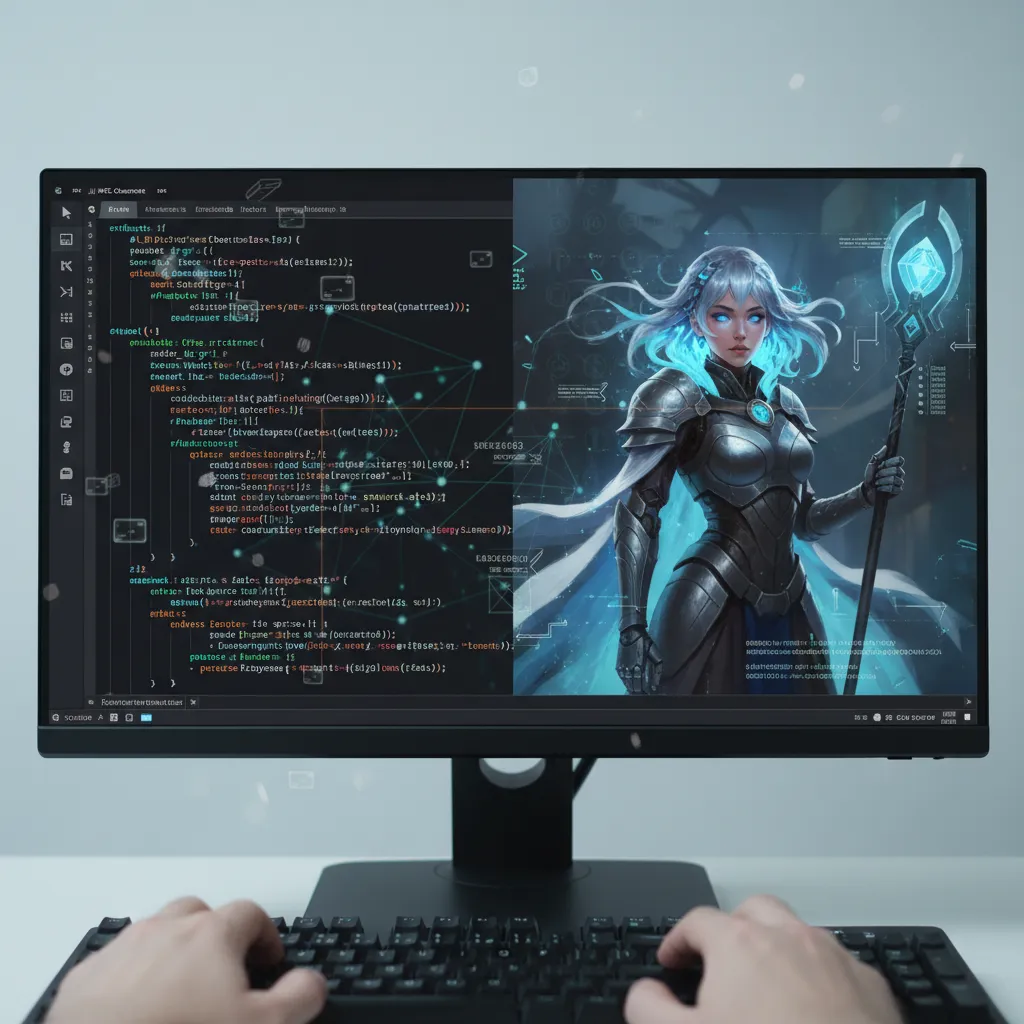
Furthermore, there’s the challenge of control. A truly autonomous NPC might do something unexpected that breaks a critical quest or disrupts the intended narrative. Developers are creating sophisticated “guardrail” systems to give NPCs freedom within a structured framework, ensuring the game design AI serves the overall player experience without derailing it.
The Ethical Minefield: Navigating Bias and Player Manipulation
The conversation around ethical AI in games is becoming increasingly important. AI models are trained on data, and if that data contains human biases, the AI can perpetuate them. An NPC trained on biased text from the internet could exhibit racist, sexist, or otherwise toxic behavior.
There is also the potential for emotional AI gaming to become manipulative. An AI companion designed to be your “perfect friend” could foster unhealthy parasocial relationships. Developers have a responsibility to build these systems ethically, with player well-being as a top priority.
New Tools and AI-Powered Game Mechanics
The good news is that the industry is rapidly developing solutions. Companies like NVIDIA with their Avatar Cloud Engine (ACE) and Inworld AI are creating platforms that make it easier for developers to integrate intelligent NPCs into their games. These AI game development trends are democratizing access to powerful AI, allowing even smaller studios to experiment with these revolutionary mechanics. We are already seeing emergent gameplay AI in action, where complex systems interact to produce surprising and unscripted outcomes that delight players.
The Future of Gaming AI: What’s on the Horizon?
We are standing at the precipice of a new golden age for gaming, driven by the limitless potential of artificial intelligence. The concepts we’ve discussed are not science fiction; they are actively being developed and refined.
Hyper-Personalized Worlds and Emergent Stories
The AI gaming future is one where no two playthroughs are the same. Your personal journey, your conversations, and your choices will generate a story that is uniquely yours. The distinction between the main quest and side quests will blur, replaced by a web of organic opportunities that arise from a simulated world.
Emotional AI and Deeper Connections
Future NPCs will do more than just talk; they’ll understand. Emotional AI gaming will allow characters to detect sarcasm, excitement, or frustration in a player’s voice and respond accordingly. This will forge deeper emotional connections between players and virtual characters, making story moments more impactful than ever before.
Related: Haptic AI: Feeling the Future of Immersive Digital Experiences
AI Beyond NPCs: Systemic Intelligence
The revolution won’t stop with characters. AI will manage entire game systems. Imagine an open world AI that simulates a realistic economy where prices for goods fluctuate based on supply routes that can be raided by players or other AI factions. Imagine weather systems that impact crop growth, which in turn affects food prices and can lead to civil unrest. This systemic level of intelligence will create worlds of unparalleled depth and reactivity.
Conclusion: A New Era of Play
We are moving beyond the era of digital puppetry and into an age of digital life. The journey from the simple, predictable patterns of Pac-Man’s ghosts to the potential for self-aware, conversational companions represents one of the most significant leaps in the history of interactive entertainment. AI in gaming, specifically through the vessel of AI NPCs, is the key to unlocking the fully immersive, deeply personal, and endlessly replayable experiences that developers have been dreaming of for decades.
The road ahead is complex, filled with technical challenges and ethical questions that must be carefully navigated. But the destination is a revolutionary new form of play where stories are not just told, but lived. The next time you boot up a game, pay close attention to the characters around you. You might just be looking at the beginning of the most profound transformation gaming has ever seen.
Frequently Asked Questions
Q1. What is an AI NPC?
An AI NPC (Non-Player Character) is a video game character powered by advanced artificial intelligence, such as machine learning and large language models (LLMs). Unlike traditional scripted NPCs that follow predefined paths and dialogue trees, AI NPCs can exhibit adaptive behavior, engage in unscripted conversations, and react dynamically to the player and the game world.
Q2. What is the difference between AI and scripted NPCs?
The primary difference lies in their ability to generate new behavior. Scripted NPCs operate on a finite set of pre-programmed rules and responses. An AI NPC, by contrast, can learn from player interactions and use generative AI to create novel dialogue and actions that were not explicitly coded by developers, leading to a more dynamic and unpredictable experience.
Q3. What game has the most advanced AI NPCs today?
While many games have impressive “ambient AI” like Red Dead Redemption 2, the frontier of true generative AI NPCs is still largely in the tech demo phase. Companies like NVIDIA and Inworld AI have showcased stunning demonstrations, and several upcoming games are being built with these technologies at their core. The title for “most advanced” is constantly changing as game AI innovations accelerate.
Q4. How does generative AI change gaming?
Generative AI is a game-changer across multiple fronts. For NPCs, it allows for infinite, dynamic dialogue. For world-building, procedural generation AI can create unique quests, environments, and even storylines on the fly. It also empowers developers by automating parts of the content creation process, potentially leading to larger and more detailed game worlds.
Q5. Will AI NPCs replace the need for writers and designers?
This is a common concern, but the consensus among developers is that AI will be a powerful tool, not a replacement. AI can handle generating mundane dialogue or creating variations of a quest, freeing up human writers and designers to focus on crafting the core narrative, compelling character arcs, and high-level world-building. It’s about collaboration, not replacement.
Q6. What are the ethical concerns with advanced AI in games?
The main ethical AI in games concerns include the potential for AI to learn and perpetuate biases from its training data, leading to toxic or stereotypical NPC behavior. There are also concerns about creating emotionally manipulative characters and ensuring player data used for personalizing experiences is handled responsibly and transparently.
Q7. How do AI NPCs work?
At their core, AI NPCs use a combination of technologies. A Large Language Model (LLM) acts as the “brain” for conversation, processing player input and generating a response. This is often filtered through a “personality” layer to ensure the NPC stays in character. Simultaneously, machine learning algorithms can analyze player behavior to inform the NPC’s actions and long-term strategy, allowing for truly adaptive NPC behavior.