AI Fitness Revolution: Your Guide to Hyper-Personalized Workouts & Coaches
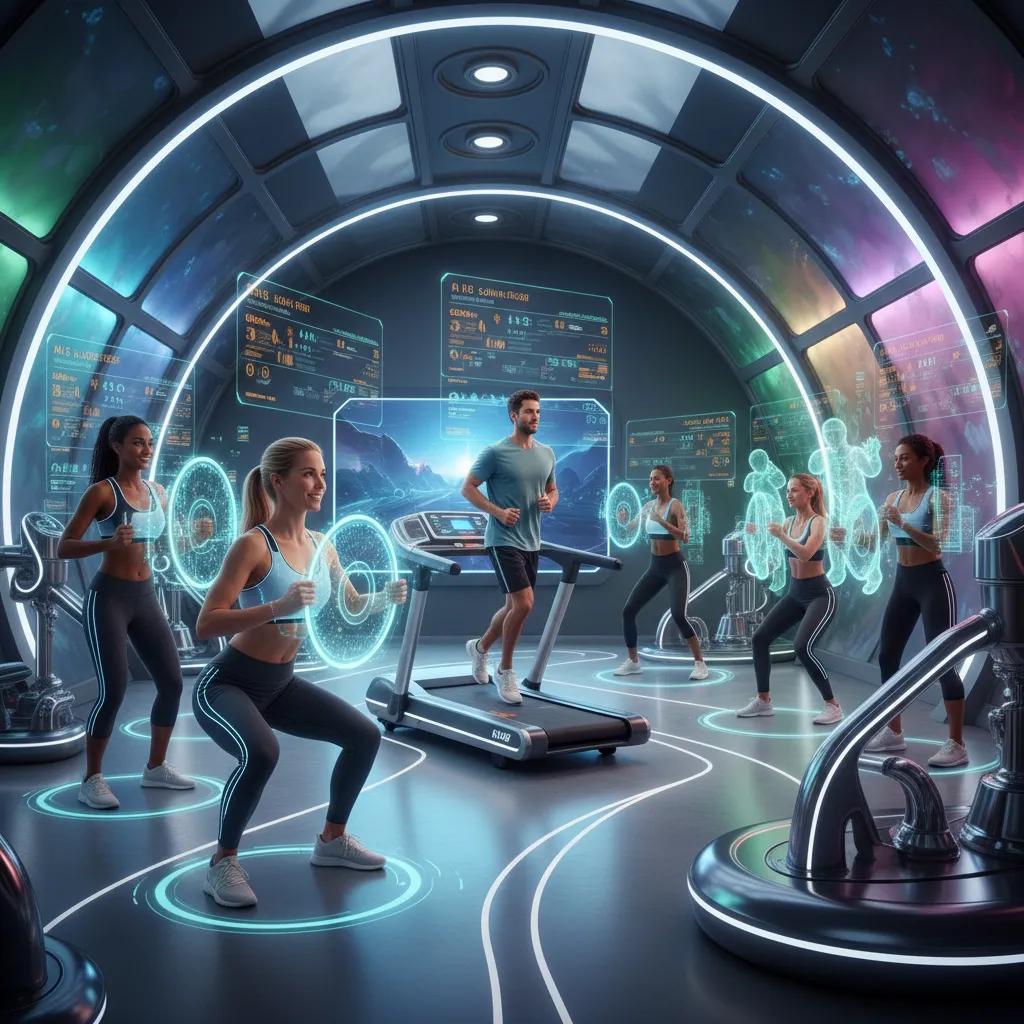
The era of one-size-fits-all workout plans and generic fitness advice is officially over. For decades, we’ve relied on static PDFs, repetitive YouTube videos, and expensive trainers who can only be in one place at one time. But a seismic shift is underway, powered by the same technology that drives self-driving cars and personalized movie recommendations. Welcome to the AI fitness revolution, where your workout is no longer just a routine—it’s a dynamic, intelligent, and deeply personal experience.
This isn’t about gimmicky apps that just count reps. We’re talking about a sophisticated ecosystem of artificial intelligence in fitness that acts as your personal trainer, nutritionist, and data scientist, all rolled into one. Imagine a coach that knows your body better than you do, adapting your workout in real-time based on your energy levels, correcting your form through your phone’s camera, and crafting a nutrition plan that syncs perfectly with your physical exertion.
In this guide, we’ll dive deep into the world of the AI fitness coach. You’ll learn how these digital trainers create hyper-personalized fitness plans, explore the incredible benefits of this technology, and discover the tools that are shaping the future of fitness technology. Get ready to unlock your true potential with a workout that’s built for one person and one person only: you.
What is AI Fitness? Unpacking the Digital Personal Trainer
At its core, AI fitness is the application of artificial intelligence and machine learning to create smarter, more effective, and highly individualized health and wellness programs. It transcends the limitations of traditional fitness apps by moving from a static library of exercises to a living, breathing system that learns and evolves.
An AI gym trainer isn’t just a pre-programmed list of exercises. It’s an intelligent system built on three key pillars:
- Massive Data Collection: AI fitness platforms gather a constant stream of data. This includes your stated goals (e.g., weight loss, muscle gain), initial fitness assessments, and real-time data from wearable fitness AI devices like smartwatches and heart rate monitors. Many systems also use computer vision via your smartphone or device camera to analyze your movement patterns.
- Sophisticated Exercise Algorithms: This is where the magic happens. The AI processes your data through complex exercise algorithms rooted in personalized exercise science. It analyzes your performance, identifies patterns of fatigue or strength, and cross-references this information with vast datasets on human physiology and exercise effectiveness.
- Dynamic Feedback Loop: The system delivers a personalized workout plan and then watches, learns, and adapts. It provides real-time fitness feedback on your form, adjusts the difficulty of your next set based on the last one, and modifies your entire program over time to prevent plateaus and minimize injury risk. This process of continuous adjustment is the essence of automated fitness coaching.
Related: AI Finance: The Future of Your Wallet and How to Navigate It
How AI Crafts Your Hyper-Personalized Workout Plan
Creating a truly custom workout program with AI is a multi-stage process that feels less like programming and more like a conversation. It’s a journey from initial onboarding to a workout that feels like it was designed by someone who has known you for years.
Step 1: The Initial Assessment - Beyond the Questionnaire
When you first start with a smart fitness app, you’ll answer questions about your goals, experience level, available equipment, and time constraints. But AI takes it further. Advanced platforms use your phone’s camera for a movement assessment. You might be asked to perform a series of basic movements like squats, lunges, or push-ups. The AI analyzes your mobility, stability, and potential imbalances, identifying weak points a standard questionnaire would miss. This forms the foundational data for your initial program.
Step 2: The Algorithm at Work - Your Unique Workout Blueprint
Armed with your assessment data, the AI workout generator gets to work. It doesn’t just pick random exercises. It selects specific movements, rep ranges, and rest periods tailored to your unique profile.
- For muscle growth: It might prioritize progressive overload, carefully increasing volume and intensity.
- For weight loss: It will likely design a program that maximizes caloric burn while preserving lean muscle mass.
- For beginners: It will focus on foundational movements and proper form to build a solid base.
This initial plan is your starting point—a data-driven hypothesis of what will work best for you.
Step 3: Real-Time Feedback and Form Correction
This is one of the most significant AI personal trainer benefits: the ability to see and correct your form. Using computer vision, an app can track the angles of your joints and the path of your movements.
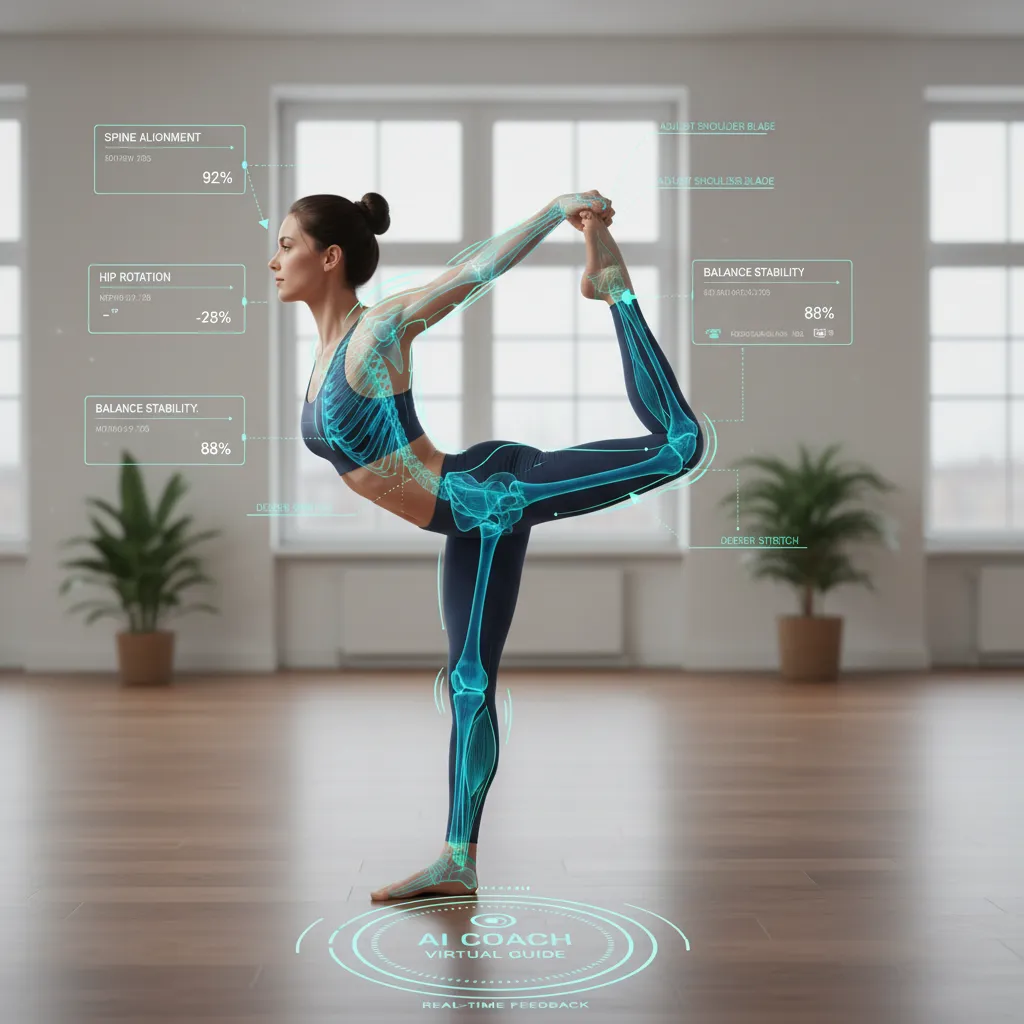
If your knees cave in during a squat or your back rounds on a deadlift, the AI can provide immediate auditory or visual cues to correct you. This is a game-changer for solo workouts, dramatically increasing effectiveness and playing a crucial role to prevent injury AI fitness technology is celebrated for. It’s like having a coach’s eyes on you for every single rep.
Step 4: Adaptive Learning - The Workout That Evolves With You
Your body changes with every workout. A static plan can’t account for this. Adaptive workout routines are the hallmark of true AI fitness.
The system logs your performance on every exercise. Did you hit all your reps easily? The AI might increase the weight or reps next time. Did you struggle on the last set? It might reduce the intensity or suggest a longer rest period. It can even use data from your wearables to see if a poor night’s sleep is impacting your performance and adjust the day’s workout to be less demanding. This constant, micro-adjustment ensures you’re always training in the optimal zone for progress.
Related: The Future of Travel: How AI Crafts Your Perfect Personalized Journey
The Tangible Benefits: Why Your Next Coach Might Be an Algorithm
Switching to an AI-driven fitness model isn’t just a novelty; it comes with a host of practical advantages that are making personalized training accessible to millions.
- Unmatched Personalization: An AI can track hundreds of data points simultaneously, offering a level of detail that is nearly impossible for a human trainer to manage for a large client roster. This is data-driven fitness at its peak.
- Cost-Effectiveness: Human personal trainers can cost hundreds or even thousands of dollars per month. Most intelligent workout apps offer their services for a small monthly subscription fee, democratizing access to high-level coaching.
- 24/7 Availability and Convenience: Your AI coach is ready whenever you are—whether it’s a 5 AM session in your living room or a late-night workout at the hotel gym. This flexibility is perfect for busy schedules and makes home gym AI solutions incredibly popular.
- Objective, Data-Driven Progress: AI removes the guesswork. You get clear, objective metrics on your progress, from increases in strength and endurance to improvements in mobility and form.
- Consistency and Motivation: The interactive nature of these apps, combined with progress tracking and achievements, can provide a powerful motivational boost to keep you consistent.
The AI Fitness Ecosystem: Tools of the Revolution
The AI fitness revolution isn’t confined to a single app. It’s a growing ecosystem of interconnected hardware and software, each playing a vital role in creating a holistic health picture.
Smart Fitness Apps: Your Coach in Your Pocket
This is the most accessible entry point into AI fitness. Apps like Fitbod, Freeletics, Jefit, and Future are leading the charge in digital personal training. They use AI to generate daily workouts, track your progress, and many now incorporate the real-time form correction and adaptive features we’ve discussed. They are the brains of the operation, turning your smartphone into a powerful fitness tool.
Related: The iPad Pro M4: The Ultimate Guide for Creatives in 2024
Wearable Technology: The Data Source
Devices from Apple, Garmin, Whoop, and Oura are the sensory organs of the AI fitness ecosystem. They collect raw, biometric data—heart rate, HRV (heart rate variability), sleep quality, activity levels, and recovery scores.
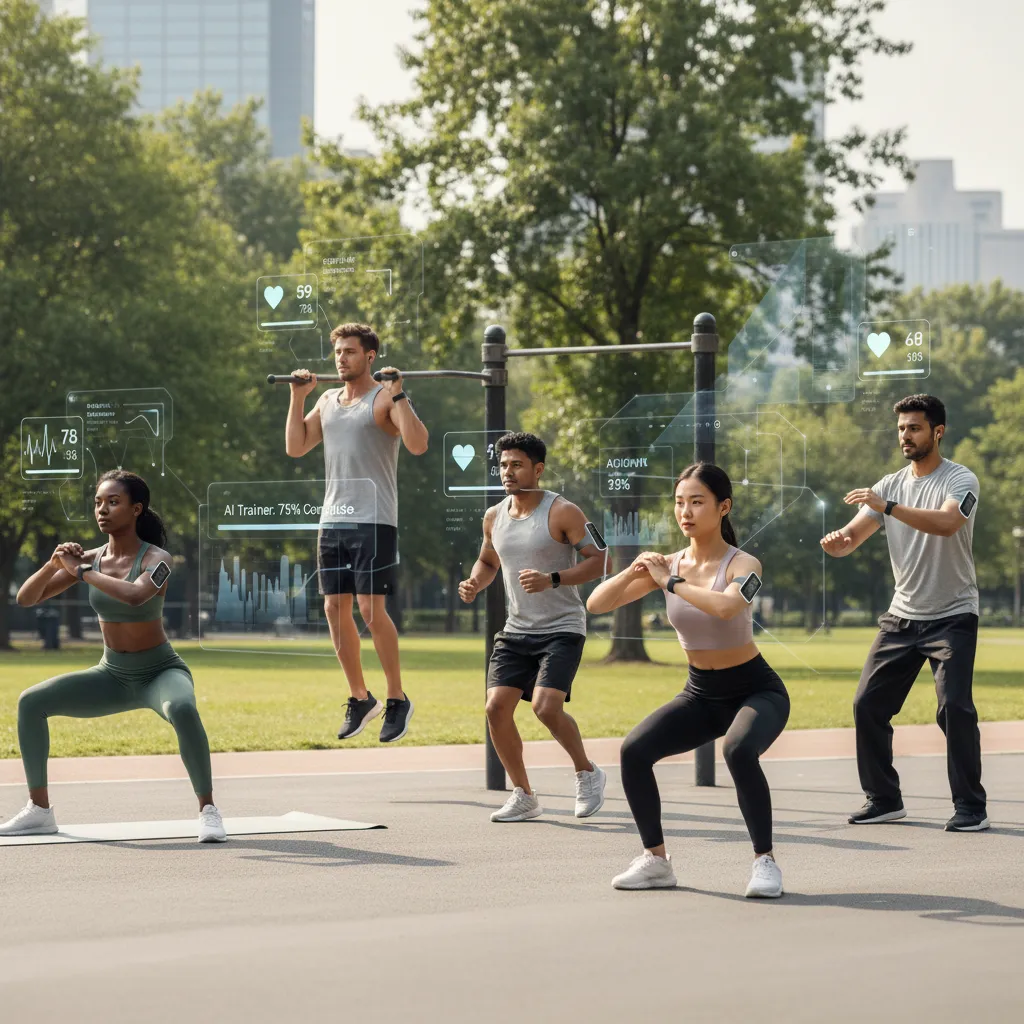
When you sync this wearable fitness AI data with your workout app, the AI gets a complete 24/7 picture of your physiological state. This allows it to make even smarter decisions, such as recommending a light recovery day after a night of poor sleep or pushing you harder when your body is fully recovered.
Smart Home Gyms: The All-in-One Solution
Companies like Tonal, Tempo, and Mirror represent the pinnacle of smart home gym integration. These aren’t just pieces of equipment; they are fully integrated AI training systems.
- Tonal uses digital weights and AI to adjust resistance for you mid-rep, providing a perfectly challenging workout every time.
- Tempo uses 3D sensors and computer vision to analyze your form in real-time, offering instant feedback on a large screen.
- Mirror and other smart mirrors provide a vast library of classes, with some now integrating AI to personalize class recommendations and track performance.
These systems offer a seamless, immersive, and highly effective workout experience from the comfort of your home.
Beyond the Reps: AI Nutrition Planning and Wellness
True health isn’t just built in the gym; it’s forged in the kitchen and reinforced with proper recovery. The latest fitness technology innovations are expanding to cover this full spectrum of wellness.
AI nutrition planning is a rapidly growing field. Apps can now create complete meal plans based on your fitness goals, activity level, dietary preferences, and even your workout schedule. They can track your macronutrients and micronutrients, suggest recipes, and generate a shopping list. By integrating workout data with nutritional intake, the AI can make precise recommendations, like suggesting a higher carbohydrate meal before a strenuous cardio session or a protein-rich snack for post-workout recovery.
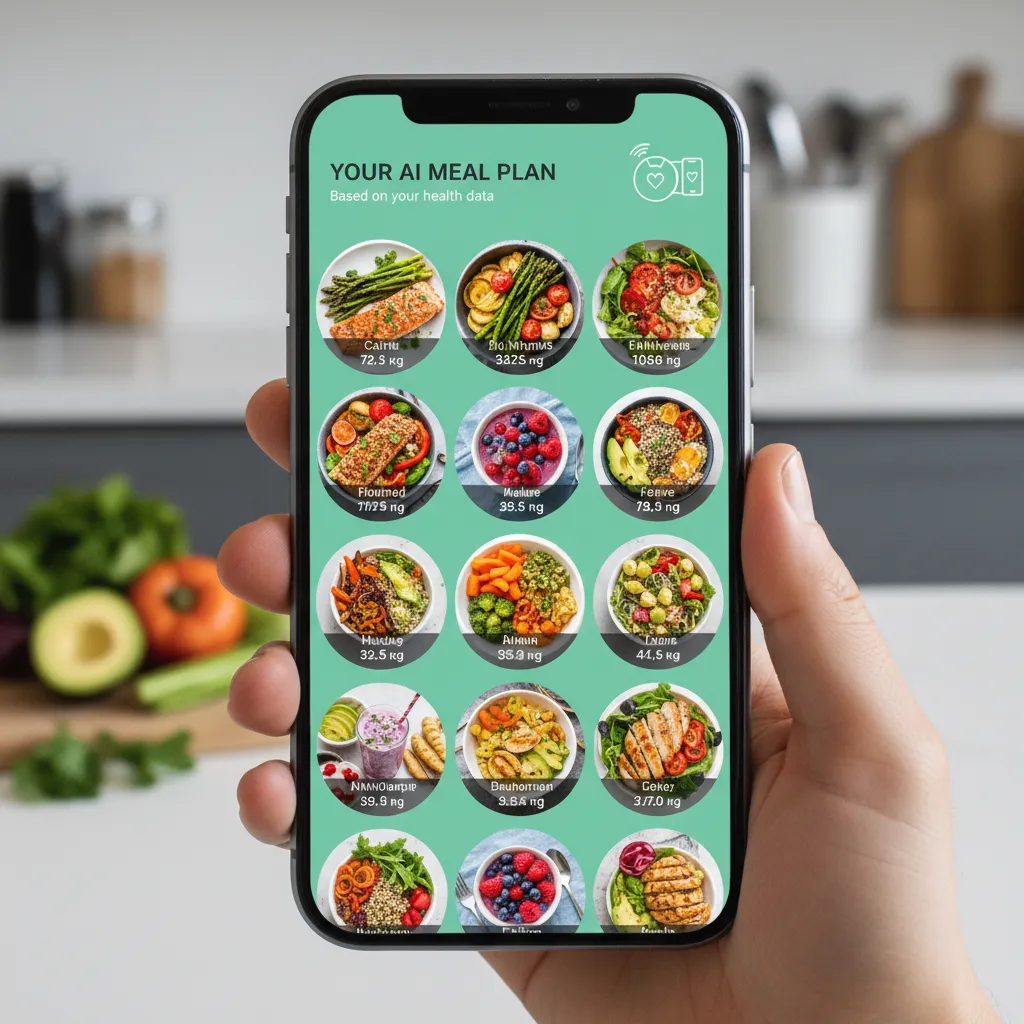
Beyond nutrition, AI-powered wellness programs are helping users manage stress, improve sleep, and practice mindfulness. They analyze data from wearables to identify stress triggers and recommend breathing exercises or meditation sessions at opportune times. This holistic approach ensures that your physical training is supported by a foundation of overall well-being.
Achieving Your Goals: AI for Muscle Growth and Weight Loss
Let’s look at how AI specifically helps with the two most common fitness goals.
AI for Muscle Growth: Optimizing Hypertrophy
Building muscle requires a strategic manipulation of training variables known as progressive overload. AI for muscle growth excels at this. It meticulously tracks your volume (sets x reps x weight) for each muscle group and ensures you’re consistently doing more over time. It can intelligently suggest when to increase weight, add reps, or introduce more advanced training techniques like drop sets or supersets, all based on your previous performance data. This eliminates the plateaus that many people hit when following a static program.
AI for Weight Loss: A Smarter Approach to Calorie Deficit
Effective and sustainable weight loss requires a consistent calorie deficit. AI for weight loss creates a powerful two-pronged attack. First, it designs workout routines that maximize energy expenditure through a combination of strength training (to build metabolism-boosting muscle) and cardiovascular exercise. Second, it syncs with AI nutrition planners to help you accurately track your food intake, ensuring you stay within your calorie targets without feeling deprived. The adaptive nature means that as you lose weight, the AI recalculates your needs and adjusts both your workout and nutrition plans accordingly.
The Future of Fitness Technology: What’s Next?
The AI fitness revolution is just getting started. As technology advances, we can expect even more seamless and powerful integrations. These are some of the key health tech trends 2024 and beyond:
- Hyper-Connectivity: Your fitness AI will communicate with other smart devices in your life. Imagine your smart home adjusting the lighting and temperature for your morning yoga session, or your smart fridge automatically adding ingredients for your AI-generated meal plan to your shopping list.
- Advanced AI Sports Science: AI will analyze vast datasets from elite athletes to uncover new insights into performance and recovery. This knowledge will then be democratized, allowing amateur athletes to train with the same scientific rigor as professionals.
- Predictive Health Insights: By constantly analyzing your biometric data, AI may soon be able to predict potential health issues before they arise. It could flag early signs of overtraining, dehydration, or even developing illnesses, prompting you to rest or consult a doctor.
- Universal AI Agents: Technologies like Google’s Project Astra: The Future of AI as a Universal Agent hint at a future where a single, conversational AI agent can manage all aspects of your life, including your health. You might simply tell your agent your goals, and it will orchestrate your schedule, workouts, meals, and more.
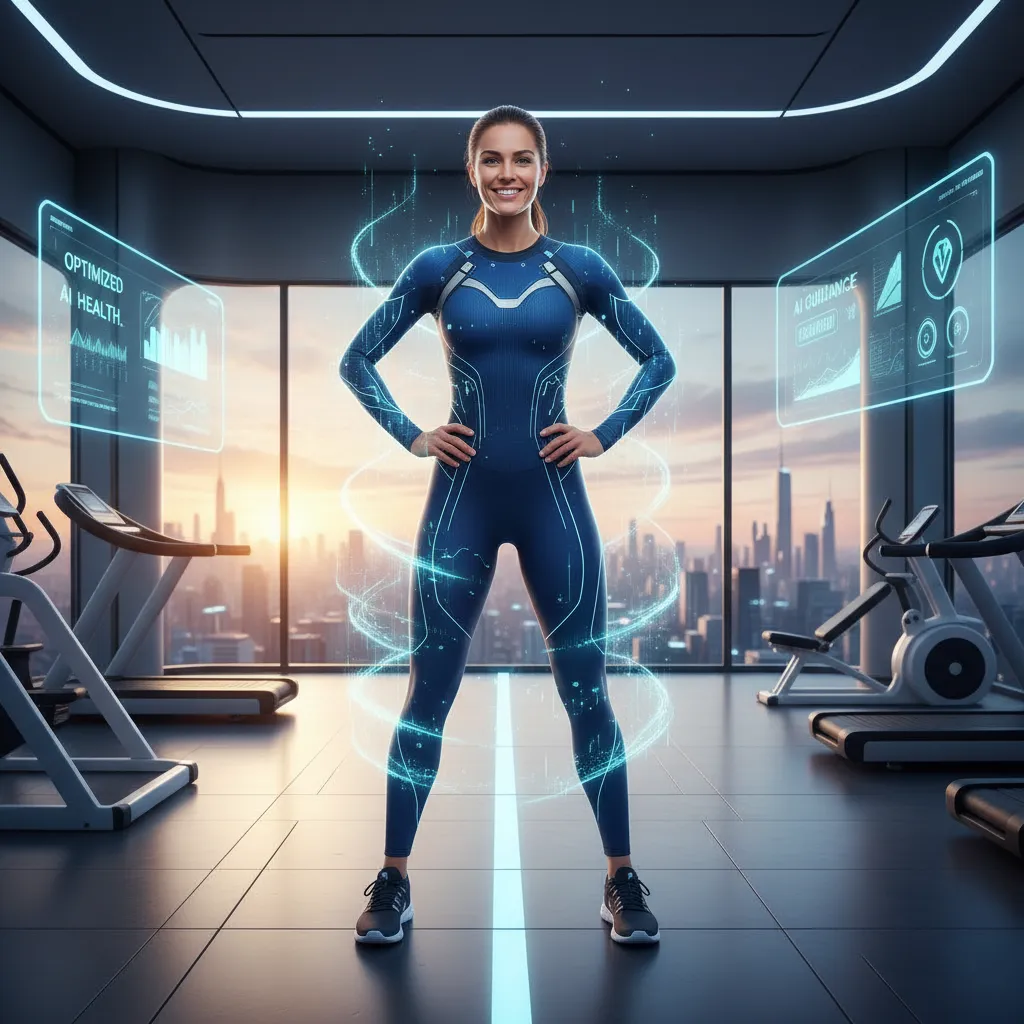
Conclusion: Your Fitness Journey, Reimagined
The AI fitness revolution is fundamentally changing our relationship with exercise and well-being. It’s moving us away from a world of generic advice and toward a future of hyper-personalized fitness where every single recommendation is tailored to our unique biology, lifestyle, and goals. The power of the AI fitness coach lies in its ability to deliver an unprecedented level of personalization, making effective training more accessible, affordable, and safer than ever before.
Whether you’re just starting your fitness journey or you’re a seasoned athlete looking for an edge, the tools are now at your fingertips. By embracing data-driven fitness, you’re not just following a plan; you’re engaging in a dynamic partnership with an intelligent system dedicated to helping you become the strongest, healthiest version of yourself. The future of fitness is here, and it’s personal.
FAQs
Q1. What is an AI fitness coach?
An AI fitness coach is a digital platform or application that uses artificial intelligence to create personalized workout and nutrition plans. It collects user data, analyzes performance, and provides real-time feedback and adaptive adjustments, mimicking the role of a human personal trainer.
Q2. Can AI create a personalized workout plan?
Yes, absolutely. AI excels at creating deeply personalized workout plans. By analyzing your goals, fitness level, available equipment, movement patterns, and even biometric data from wearables, AI algorithms can generate custom workout programs that are far more tailored to an individual than generic, pre-written plans.
Q3. How effective are AI workout generators?
AI workout generators are highly effective, particularly because of their ability to implement progressive overload and adapt in real-time. They ensure you are constantly challenged enough to make progress but not so much that you risk injury. Their effectiveness is rooted in their data-driven fitness approach, which removes guesswork.
Q4. Can AI replace a human personal trainer?
While AI can replicate many functions of a human trainer—like programming, form correction, and tracking—it cannot fully replace the human element of motivation, empathy, and in-person accountability for everyone. For many, a hybrid approach or using AI as a primary tool is a highly effective and affordable alternative to traditional personal training.
Q5. What are the best AI personal trainer apps?
Some of the top-rated intelligent workout apps include Fitbod (for strength training), Freeletics (bodyweight and gym), Future (connects you with a human coach via an AI platform), and Jefit (for detailed workout tracking and planning). The “best” app often depends on your specific goals and preferences.
Q6. How does AI help prevent injuries during workouts?
AI helps prevent injury AI fitness primarily through real-time form correction. Using a device’s camera, it analyzes your movements and provides instant feedback to fix dangerous positions. It also prevents overtraining by analyzing recovery data from wearables and adjusting workout intensity accordingly.
Q7. Does AI also help with nutrition planning?
Yes, AI nutrition planning is a major component of the AI fitness ecosystem. Many apps can generate personalized meal plans based on your workout regimen, goals, and dietary restrictions. They help track macronutrients and calories to ensure your diet perfectly complements your training efforts for optimal results.