AI Agents: Your Personal Productivity Supercharger for Daily Life

Introduction
Do you ever feel like you’re drowning in a sea of notifications, to-do lists, and endless minor decisions? From scheduling meetings to managing your inbox and planning your week, the cognitive load of modern life is immense. We have more tools than ever, yet often feel less in control. What if you had more than just a tool? What if you had an autonomous partner working behind the scenes to orchestrate your life, anticipate your needs, and handle the mundane so you could focus on what truly matters?
Welcome to the world of AI agents. This is the next frontier in personal productivity AI, moving far beyond the simple command-and-response of a typical digital assistant AI. These smart agents are designed for daily life automation AI, acting as proactive, intelligent partners that can understand complex goals and execute multi-step plans to achieve them.
This guide will demystify the world of AI agents. We’ll explore what they are, how they differ from the assistants you already know, and the incredible ways they can be applied to automate daily routines. You’ll discover practical AI solutions for personal life, learn how to boost productivity with AI, and get a glimpse into the future of productivity where personalized AI agents become an indispensable part of our daily fabric.
What Exactly Are AI Agents? Moving Beyond a Simple AI Assistant
Before we dive into the applications, it’s crucial to understand what makes an AI agent different. We’re all familiar with voice assistants like Siri, Alexa, and Google Assistant. You ask a question or give a command—“What’s the weather?” or “Set a timer for 10 minutes”—and it responds. This is a reactive relationship.
An AI agent, on the other hand, is defined by its autonomy and proactivity. It’s a software entity that can:
- Perceive its digital environment (e.g., read your emails, check your calendar, monitor notifications).
- Reason and Plan based on a goal you’ve given it (e.g., “Find a 30-minute slot for a meeting with John next week that works for both of us”).
- Take Action autonomously across multiple applications to achieve that goal (e.g., check both calendars, propose times via email, and automatically book the confirmed slot).
Think of it as the difference between having a calculator and having a personal accountant. The calculator answers your specific queries, while the accountant manages your finances proactively to achieve your financial goals.
The Key Differences: AI Agents vs. Voice Assistants
To make it crystal clear, let’s break down the distinctions. These differences highlight why intelligent agents in daily life represent a quantum leap in personal automation.
| Feature | Voice Assistant (e.g., Siri, Alexa) | AI Agent |
|---|---|---|
| Autonomy | Low: Requires explicit commands for every action. | High: Can operate independently to achieve a long-term goal. |
| Proactivity | Reactive: Responds to user input. | Proactive: Can initiate tasks based on triggers or learned patterns. |
| Task Complexity | Simple: Excels at single-step tasks (e.g., play a song, set an alarm). | Complex: Can handle multi-step, cross-application workflows. |
| Learning | Limited: Learns basic preferences but doesn’t fundamentally change its process. | Adaptive: Can learn your habits and preferences to improve its performance over time. |
This evolution is central to the future of work AI and personal management, promising a more seamless and intuitive way to interact with technology.
Automate Your World: Practical Applications of AI Agents in Daily Life
The true power of AI agents is revealed when they’re applied to the friction points of our daily lives. They are the ultimate AI efficiency hacks, transforming chaotic processes into streamlined, automated workflows. Let’s explore some game-changing applications.
The Ultimate Calendar & Task Manager
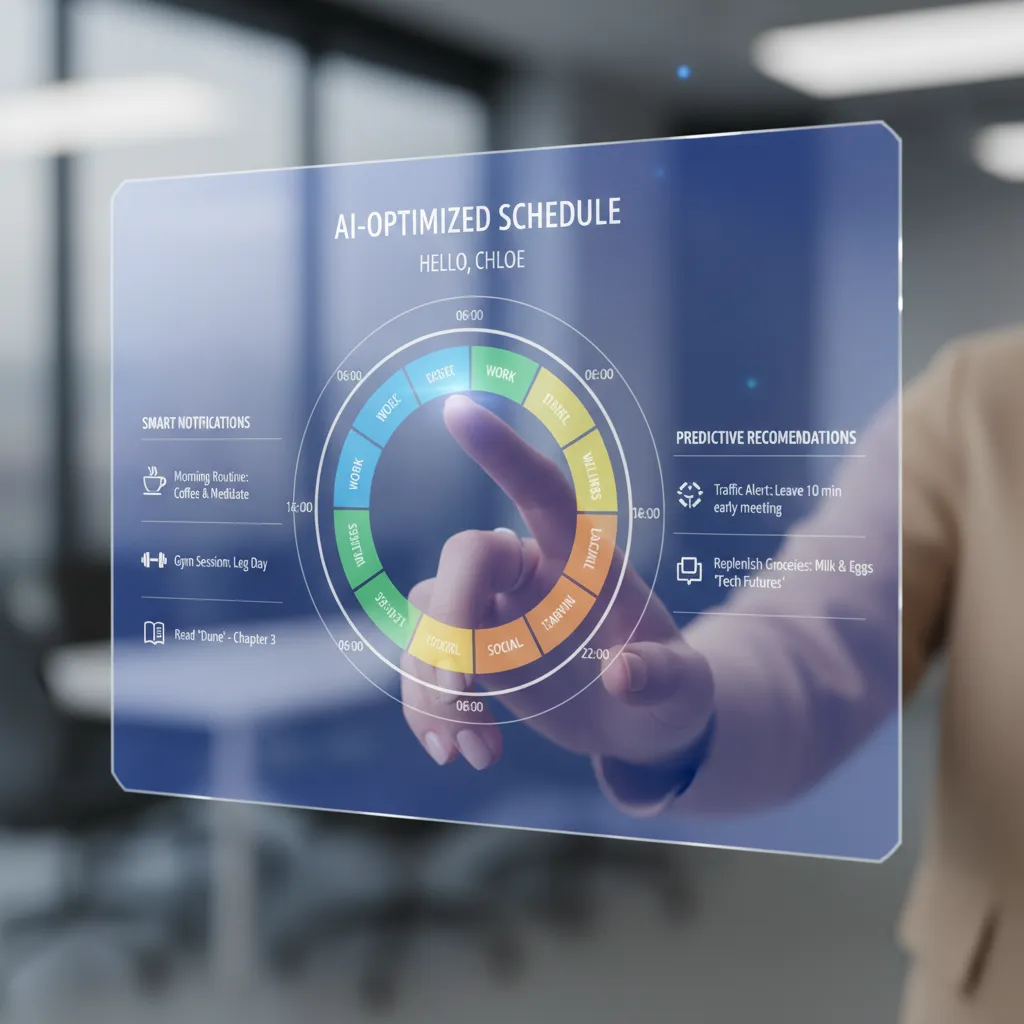
Imagine a world where you no longer play “calendar Tetris.” An AI agent integrated with your schedule and communication apps can become the ultimate gatekeeper of your time.
- Intelligent Scheduling: Instead of sending back-and-forth emails to find a meeting time, you simply tell your agent: “Schedule a project kickoff with the marketing team next Tuesday.” The agent analyzes everyone’s availability, finds the optimal slot, sends out the invite, and even books a virtual meeting room.
- Proactive Conflict Resolution: If a new, high-priority meeting request comes in that clashes with an existing appointment, the agent can analyze the importance of both, suggest a reschedule for the lower-priority item, and handle the communication.
- Dynamic Focus Blocks: The agent learns when you do your best deep work and proactively blocks out “focus time” in your calendar, automatically silencing non-essential notifications during those periods. This is a core function of modern AI task management.
This level of AI for daily organization frees up significant mental energy, allowing you to focus on the work itself, not the logistics surrounding it.
Taming the Inbox: Your Personal Email Butler
The average professional receives over 120 emails per day. It’s a constant source of distraction and a major productivity drain. An email-focused AI agent can automate repetitive tasks AI and bring sanity back to your inbox.
- Smart Triage: The agent can read, understand, and categorize incoming emails. It can distinguish between urgent client requests, internal newsletters, spam, and personal correspondence, sorting them into pre-defined folders.
- Automated Summaries: For long email threads or reports, the agent can provide a concise summary with key action items, so you get the gist in seconds.
- Drafting Replies: Based on the email’s content and your past replies, the agent can draft contextually appropriate responses. A simple “Looks good, send it” is all you need to do. This goes far beyond canned responses, offering a truly personalized AI agent experience.
Seamless Smart Home Integration and Routine Automation
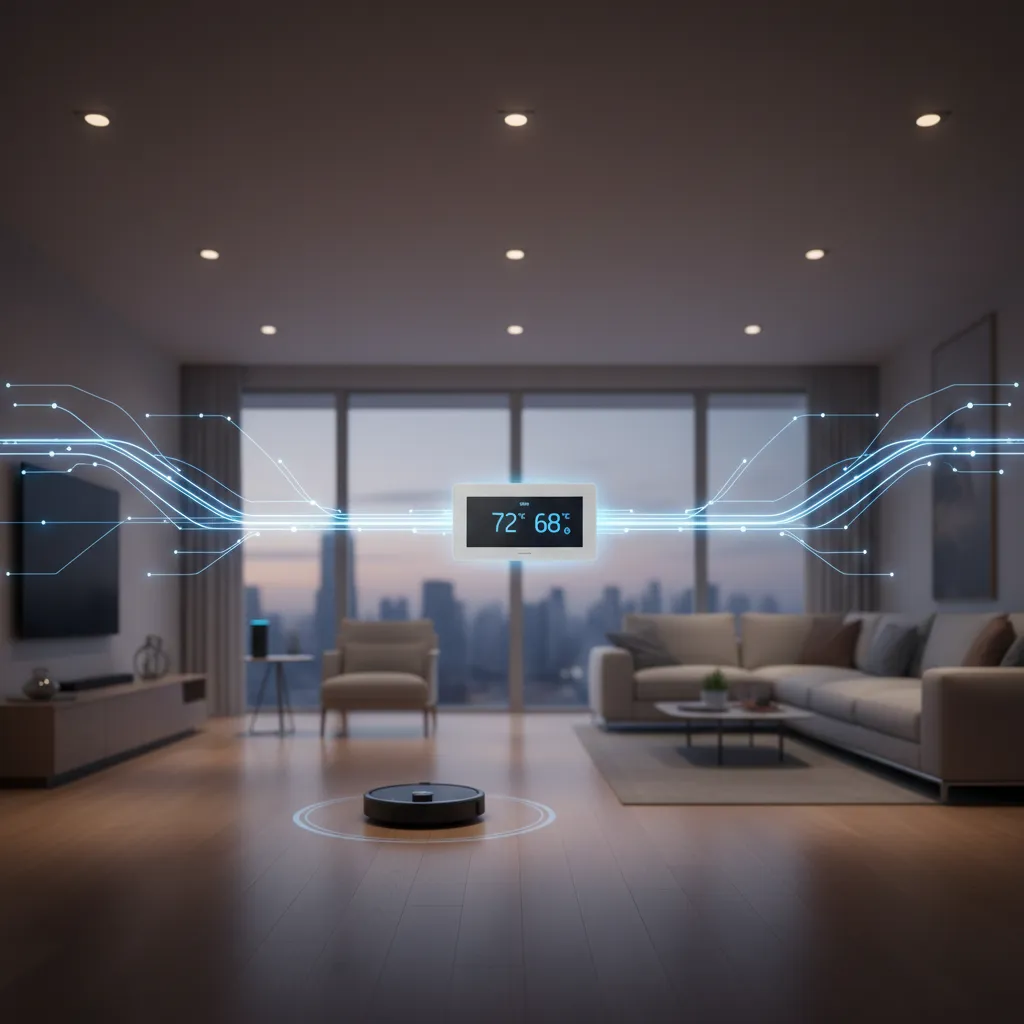
The concept of the smart home has been around for years, but AI agents are the missing piece that makes it truly intelligent. Smart home AI integration moves from manual commands to an ecosystem that anticipates your needs.
- Morning Routine: Your agent knows you wake up at 6:30 AM. At 6:15 AM, it slowly raises the temperature, gradually brightens your smart lights to mimic a sunrise, starts the coffee maker, and prepares a morning briefing on your smart display with your calendar, weather, and top news.
- Energy Efficiency: The agent can monitor your energy usage, learn your household’s patterns, and automatically adjust the thermostat, lighting, and appliances to optimize for comfort and cost savings. Related: Sustainable Tech Innovations for Greener, Smarter Living
- Context-Aware Security: When you leave the house (detected by your phone’s location), the agent can arm the security system, lock the doors, and turn off all non-essential lights and electronics.
This is the essence of AI for enhanced daily living—a home that works for you, not the other way around.
The Productivity Revolution for Professionals and Small Businesses
The benefits of AI agents extend powerfully into the professional realm. For busy individuals and agile businesses, these tools are not just a convenience; they are a competitive advantage.
AI-Powered Workflow Automation for the Busy Professional
AI for busy professionals means offloading the administrative and preparatory work that consumes valuable time. An AI agent can act as a tireless executive assistant, researcher, and project coordinator rolled into one.
- Meeting Preparation: Before a big client meeting, your agent can automatically gather all relevant documents, past email conversations, and public news about the client’s company, compiling it all into a concise briefing document.
- Research and Data Synthesis: Tasked with researching a new market? You can instruct your agent to scour the web for industry reports, competitor analysis, and market trends, then synthesize the findings into a structured summary with sources.
- Follow-Up and CRM Management: The agent can track your communications and remind you to follow up on outstanding proposals or client queries. It can even update your CRM with notes from a recent call, turning unstructured conversation into valuable data.
This level of AI workflow automation allows professionals to operate at a higher strategic level, focusing on relationships and decision-making.

Supercharging Small Business Operations
For small businesses, where every employee wears multiple hats, AI agents are a force multiplier. They provide the support of a dedicated team without the overhead, making sophisticated AI for small business productivity accessible to everyone.
- Customer Support: An AI agent can handle initial customer inquiries 24/7 through your website’s chat, answering common questions, and creating support tickets for complex issues that require human intervention.
- Social Media Management: You can set a content strategy, and an agent can schedule posts across different platforms, monitor engagement, and even draft responses to common comments or questions.
- Inventory and Sales Analysis: An e-commerce agent can monitor stock levels, automatically re-order products when they fall below a certain threshold, and analyze sales data to identify best-selling items and peak purchasing times.
These AI productivity apps and agent-based systems empower small businesses to compete more effectively and scale their operations efficiently. Related: Unlock Growth: Top AI Tools for Small Business Success
Getting Started with Personal AI Automation: Tools and Trends
The world of AI agents is evolving rapidly. While a single, all-knowing “Jarvis”-like agent is still on the horizon, many powerful AI tools for personal use exist today that embody the principles of automation and intelligence.
Current AI Tools and Platforms
You can start experimenting with personal automation tools that connect different apps and services to create simple agent-like workflows. Platforms like Zapier and Make.com allow you to create “if this, then that” automations. For example: “If I receive an invoice in my Gmail, automatically save the attachment to my ‘Receipts’ folder in Dropbox and add a row to my expense-tracking Google Sheet.”
More advanced, agent-specific platforms are also emerging, focused on tasks like web research, task management, and autonomous coding. As large language models get more capable, tools like the upcoming Apple Intelligence promise to bring more agent-like capabilities directly into our operating systems.
The Rise of Personalized AI Agents: What’s Next?
The most exciting developments are in the realm of personalized AI agents. These are not just generic tools but systems designed to learn your unique preferences, communication style, and long-term goals.
Future agents will have a persistent memory of your interactions, allowing them to build a deep understanding of your context. They will operate securely on your personal devices, acting as a true digital extension of yourself. These personal AI automation trends point towards a future where you don’t manage apps; your agent does it for you. It will be the ultimate tool for maximizing productivity with AI, creating a truly bespoke and stress-free digital experience.

Navigating the Future: Benefits and Considerations
Adopting this technology promises transformative AI personal assistant benefits, but it’s also important to approach it mindfully.
The Transformative Benefits
- Reclaimed Time: By automating the mundane, agents free up hours each week for creative pursuits, strategic thinking, or simply being present with loved ones.
- Reduced Cognitive Load: Offloading constant small decisions reduces “decision fatigue,” leading to better mental clarity and improved focus on high-impact tasks.
- Enhanced Capabilities: AI agents can process information and perform tasks at a scale and speed no human can match, effectively giving you superpowers.
A Mindful Approach: Privacy and Trust
Handing over tasks to an AI agent requires trust. As you explore these tools, it’s essential to prioritize your data privacy. Opt for services from reputable companies with clear privacy policies. As the technology matures, on-device processing will become more common, ensuring your personal data stays personal. Building this trust is key, especially when navigating challenges like AI hallucinations. Related: Combating AI Hallucinations: Building Trustworthy Systems
Conclusion
AI agents are no longer science fiction. They are the next logical step in our relationship with technology—a shift from tools we command to partners we collaborate with. By embracing daily life automation AI, you can systematically eliminate friction, streamline your workflows, and build a life that is more organized, efficient, and focused.
The journey to an fully AI-powered organization of your personal and professional life has begun. It starts not with a giant leap, but with a single step. Identify one repetitive task, one scheduling headache, one area of digital clutter, and explore how an AI-driven solution can help. By starting small, you can begin to experience the profound impact of these intelligent agents and prepare for a future where your digital life is managed for you, not by you.
Frequently Asked Questions (FAQs)
Q1. What is an AI agent?
An AI agent is an autonomous software program designed to perceive its environment, make decisions, and take actions to achieve a specific goal. Unlike a simple assistant, it can operate independently to perform complex, multi-step tasks across different applications, such as scheduling a trip or managing your inbox without constant commands.
Q2. How is an AI agent different from an AI assistant like Siri?
The primary difference is autonomy and proactivity. An AI assistant like Siri is reactive; it waits for your command and performs a single task. An AI agent is proactive; it can be given a high-level goal and will independently plan and execute the necessary steps to achieve it, learning and adapting along the way.
Q3. What are some real-world examples of AI agents for personal use?
Real-world examples include smart email sorters that categorize your inbox and draft replies, intelligent calendar tools that automatically schedule meetings by negotiating times with attendees, and smart home systems that learn your routines to adjust lighting, temperature, and security settings proactively.
Q4. Can AI agents automate complex tasks?
Yes, that is their core strength. A complex task like “Plan a weekend trip to San Diego for next month” could be handled by an AI agent that researches and books flights, finds a hotel based on your preferences and budget, reserves a rental car, and creates a suggested itinerary, all with minimal input after the initial request.
Q5. Is it safe to use AI agents with my personal data?
Safety and privacy are critical considerations. Reputable AI agent developers prioritize security with data encryption and clear privacy policies. As the technology evolves, more processing is happening “on-device,” meaning your personal data doesn’t need to leave your phone or computer, significantly enhancing privacy and security. Always choose tools from trusted providers.
Q6. How can I start using AI to automate my daily routines?
A great way to start is with automation platforms like Zapier or IFTTT to connect your favorite apps and create simple workflows. You can also explore specialized AI productivity apps for email management, scheduling, or task management that have agent-like features built-in. Begin by identifying a single, repetitive task and build a simple automation for it.